
Last updated September 23, 2026
Whole-system duct and dryer vent check with before-and-after photos - you see exactly what came out of your vents
That "$99 whole-house special" is a bait ad - the real number appears once they are in your hallway, or the "clean" is a shop-vac at the register. We photograph the inside of your ducts before and after instead.
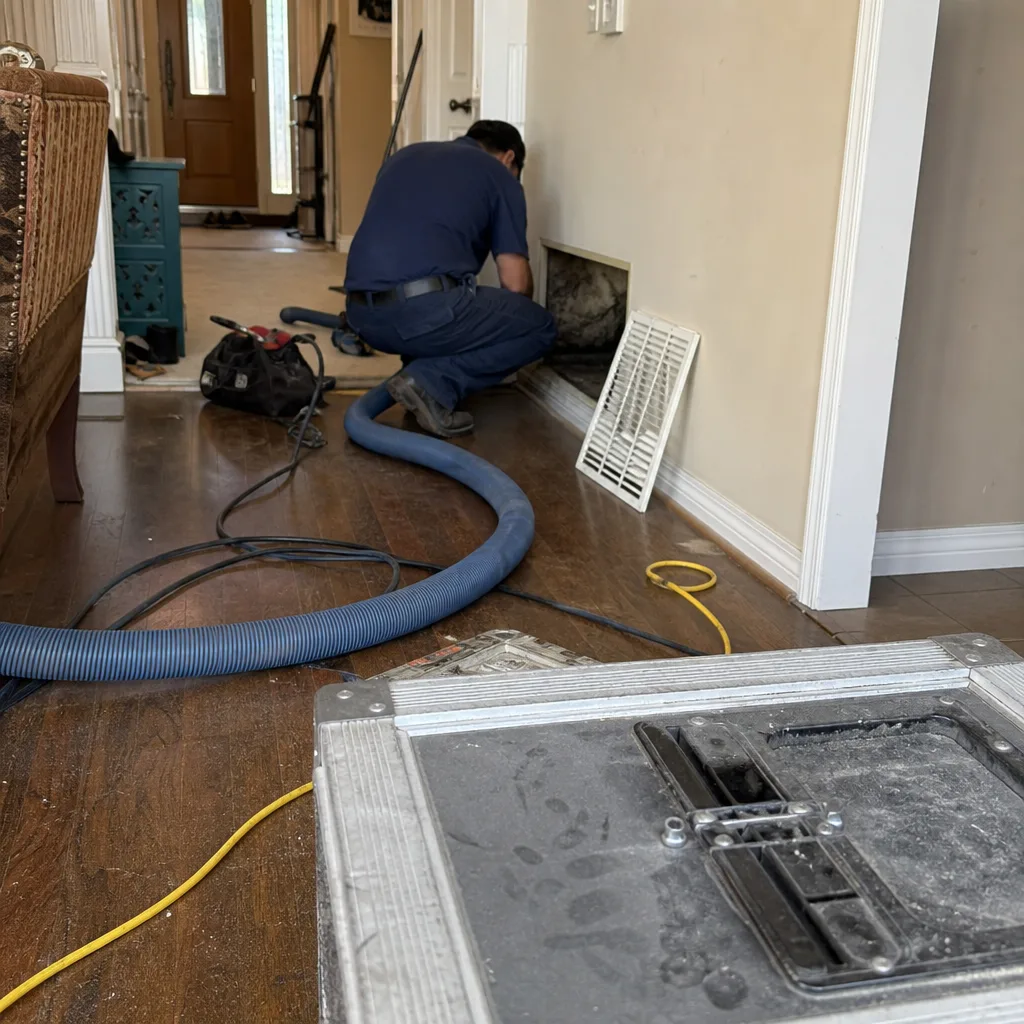 Before
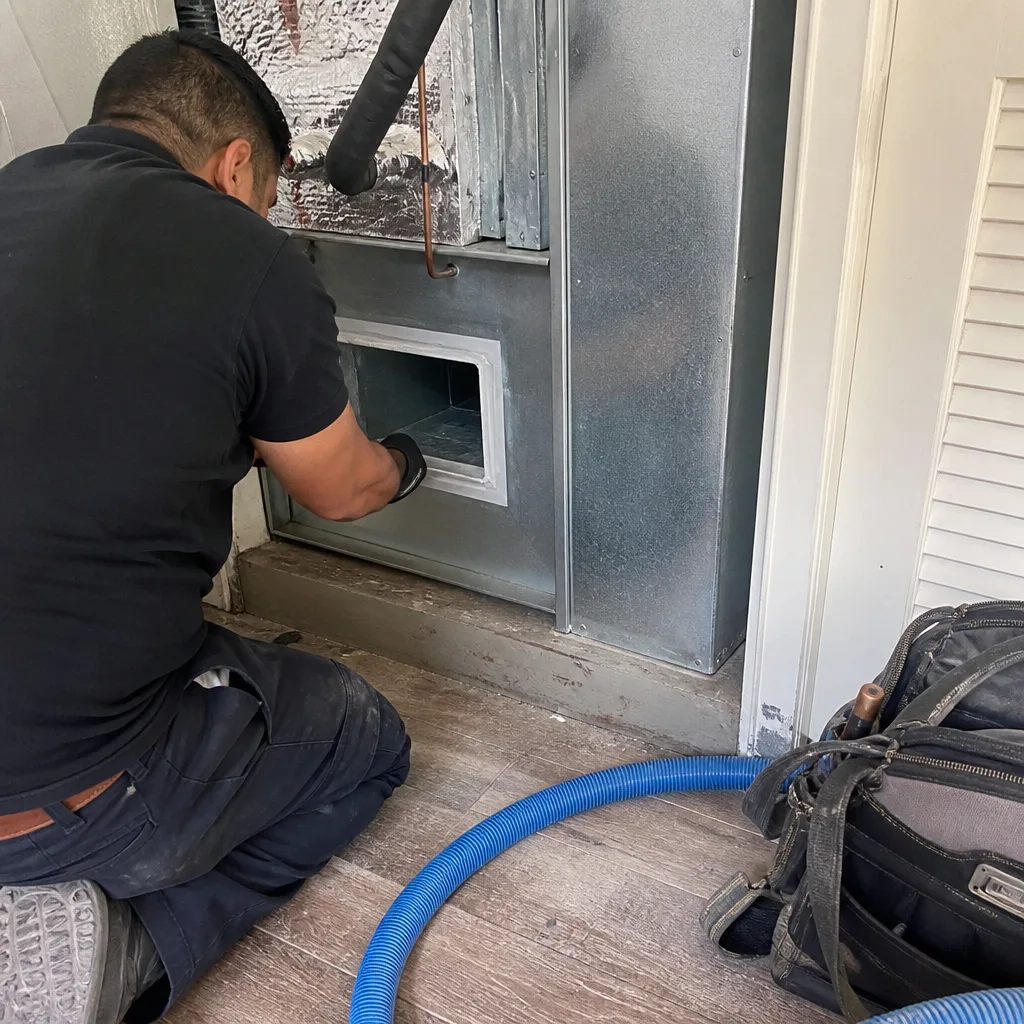 After
After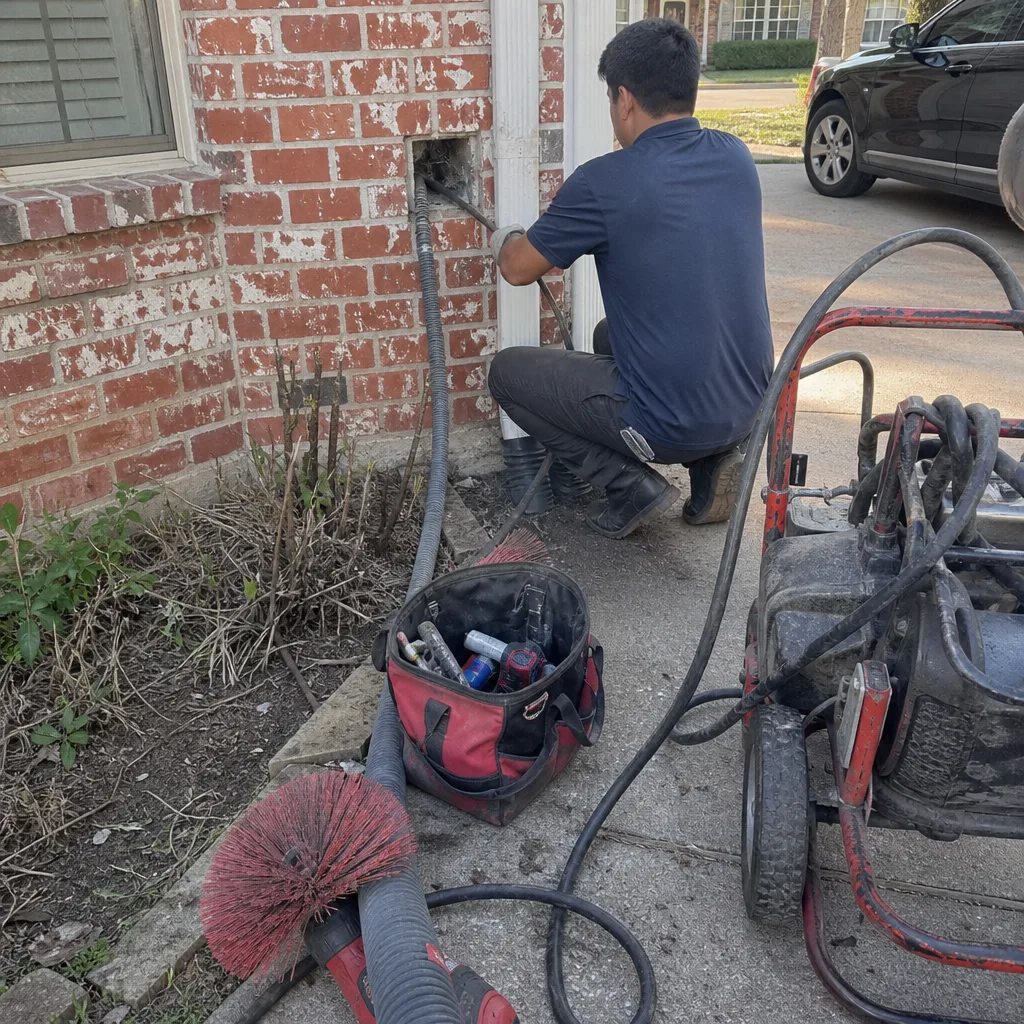 Before
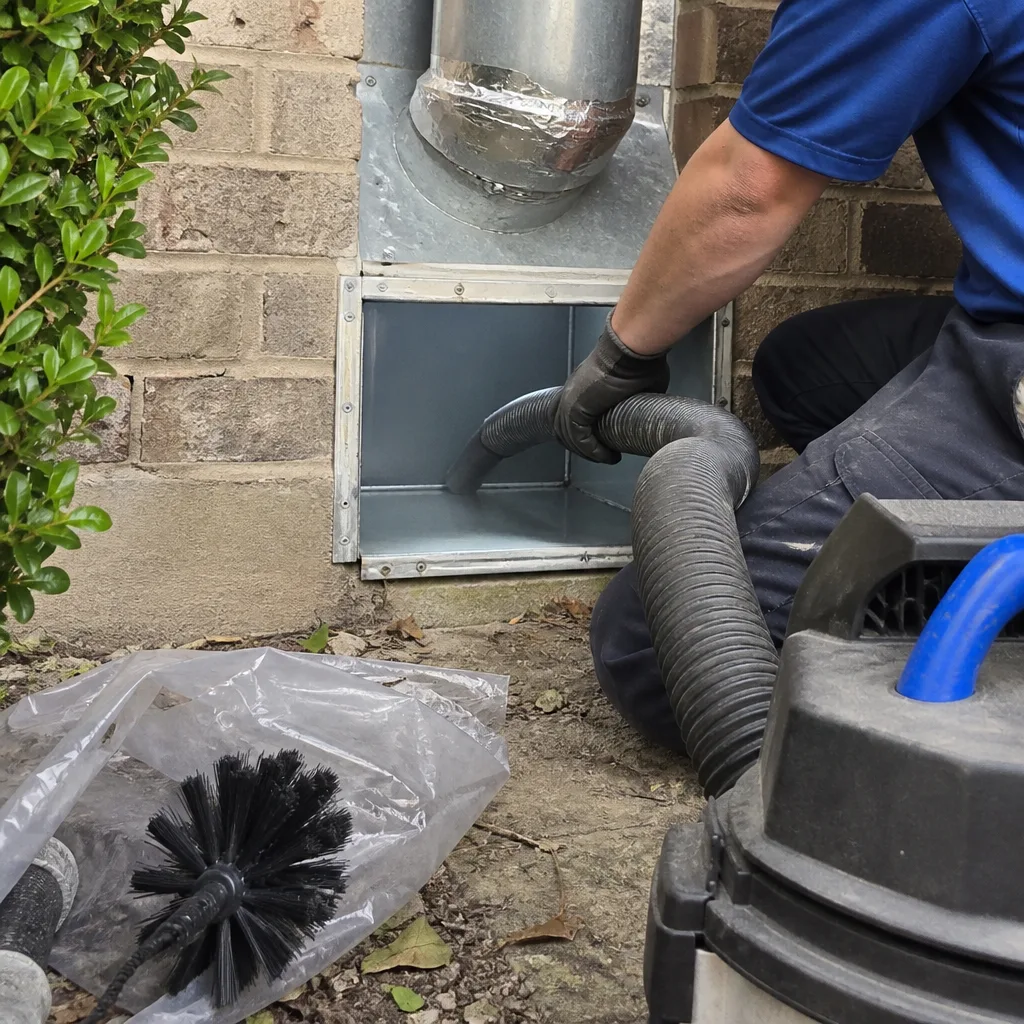 After
After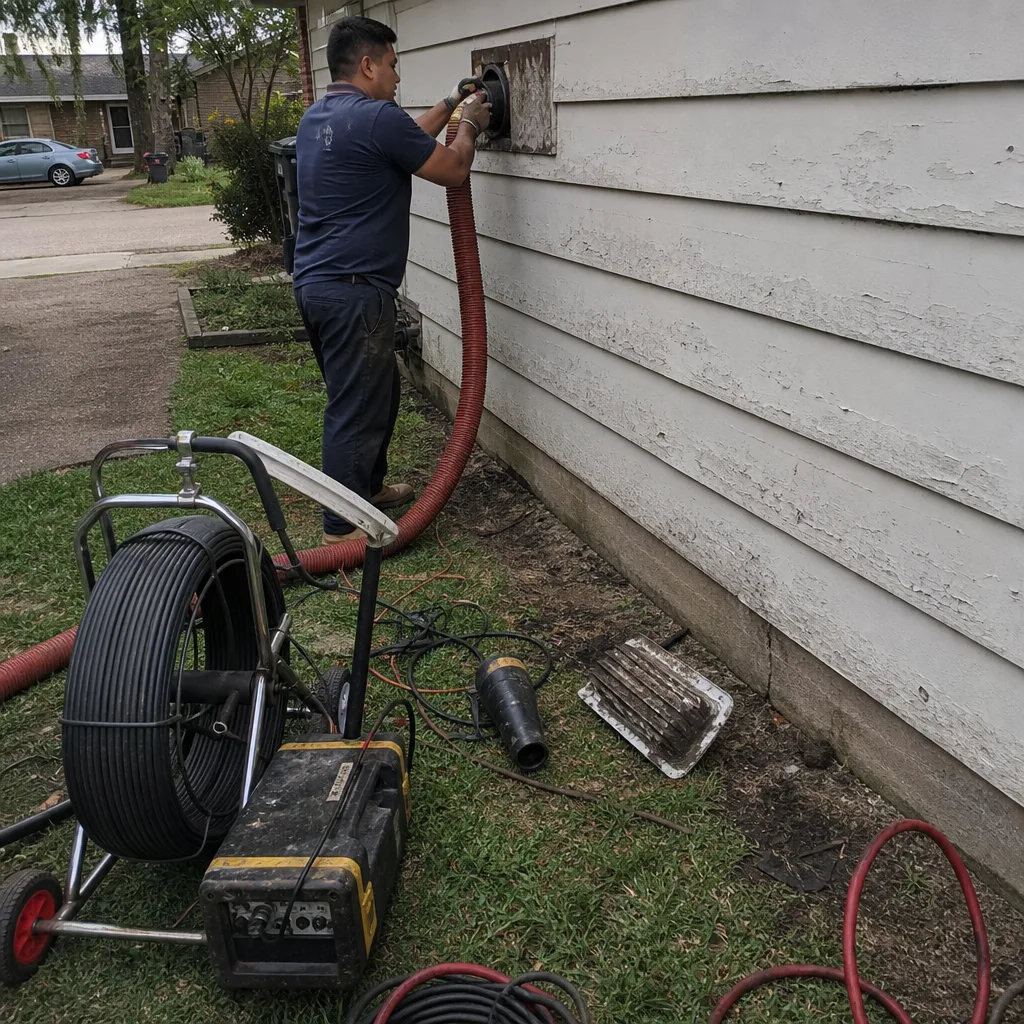 Before
 After
AfterSeasonal Air Duct Cleaning Care for Houston: Year-Round Homeowner’s Guide
Most Houston homes run their HVAC system for 10 to 11 months per year. The “annual” cleaning advice written for northern climates addresses roughly half the runtime Houston ducts actually accumulate. In The Woodlands, we’ve photographed 2-inch debris ridges at duct elbows after what the homeowner thought was a “routine” 18-month interval. This guide replaces the generic four-season calendar with Houston’s actual climate pattern: two high-load HVAC periods, two brief transition windows, and a humidity baseline that never fully drops. You’ll learn when to inspect, what the camera should show, and why Houston’s runtime hours demand a 3-to-4-year Air Duct Cleaning services cycle instead of the national 5-to-7-year guideline.
Quick Answer
Houston homeowners should schedule professional air duct cleaning every 3 to 4 years based on actual HVAC runtime, not calendar months. The optimal timing follows Houston’s climate calendar: inspect after winter condensation events in February-March, clean coils and ducts before the first 90-degree week in April-May, monitor for humidity damage during June-September continuous runtime, and assess post-summer condition in October-November. Professional air duct cleaning in Houston costs $400-$900 for a whole-home system, with documented photo records of every duct run included as standard.
Table of Contents
- Why Houston’s Climate Demands Its Own Duct Calendar
- February-March: Post-Winter Inspection and Condensation Damage
- April-May: Pre-Summer Load Preparation
- June-September: High-Humidity Continuous Runtime
- October-November: Post-Cooling Season Assessment
- The Documented Case for 3-4 Year Houston Cleaning Intervals
- What Homeowners Can Check vs. What Requires Professional Equipment
- Common Mistakes to Avoid
- When to Call a Professional
- Frequently Asked Questions
- The Bottom Line
BeforeAfterWhy Houston’s Climate Demands Its Own Duct Calendar
The Department of Energy classifies Houston as Zone 2, “hot-humid.” What that means in practice: your air conditioner runs from late March through October, your heater cycles intermittently from November through February, and the air inside your ducts carries 60-80% relative humidity for most of the year. Compare that to Phoenix (hot-dry, minimal condensation risk) or Atlanta (four distinct seasons, genuine off-months for the system). Houston’s ducts never get a true rest.
We’ve measured supply plenum temperatures in Katy homes during January cold fronts: 55°F air meeting 72°F attic air creates condensation on uninsulated duct seams. That moisture doesn’t evaporate in February. It sits, collects pollen and skin cells that pass through standard filters, and becomes the substrate for what we photograph as “duct sludge” - a gray, cohesive layer that negative-pressure extraction removes but shop vacuums merely redistribute.
The national air duct cleaning guideline of 5-7 years assumes roughly 2,000 annual HVAC runtime hours. Houston systems routinely log 3,500-4,200 hours. The math is straightforward: more air volume, more filtration cycles, more debris accumulation per calendar year. Yet most Houston homeowners we meet in Sugar Land and Pearland are still working from the national number, usually printed on a magnet from a national franchise chain. For a local perspective, see our Air Duct Cleaning Cost Breakdown: The Houston Homeowner’s Reference for 2026.
Houston’s specific risk factors:
- Galveston Bay moisture intrusion: Homes within 10 miles of the coast experience higher baseline humidity that penetrates attic and crawl space ductwork even when the system is off
- Spring pollen loads: Houston’s oak and pine pollen season (February-April) pushes particulate counts above 8,000 grains per cubic meter; standard 1-inch filters capture perhaps 15-20% of this
- Hurricane recovery debris: Post-storm interior air quality events (Harvey in 2017, Nicholas in 2021) introduced fine sediment into duct systems that standard cleaning intervals didn’t anticipate
- Attic temperature swings: Unconditioned Houston attics reach 140°F in August and 40°F in January; flex duct with degraded insulation accelerates thermal loss and condensation
This guide structures care around what Houston actually does to ductwork, not what a national template suggests.
February-March: Post-Winter Inspection and Condensation Damage
Houston’s “winter” is a series of cold fronts, not a season. Your heater runs for 48-72 hours, then shuts off for a week. Those temperature swings create condensation events inside ducts that northern climates don’t experience in the same way.
What happens physically: when the heater cycles off, the metal ductwork cools rapidly. Warm, humid Houston air infiltrates through register gaps and seams. The dew point inside the duct drops below the surface temperature. Water forms on the duct walls, mixes with accumulated dust, and creates a paste that adheres more tightly than dry debris. We’ve photographed this in Memorial-area homes where the homeowner reported “no problems” and the camera showed a 3-inch debris build-up at the first elbow, bonded by moisture into a solid mass.
What to inspect in February-March:
- Remove two supply registers in different zones of the house (one near the return, one distant). Shine a flashlight into the duct boot - the short vertical section connecting the register to the main duct run. Look for dark staining, mold-like spotting, or a damp odor. These indicate condensation events have occurred.
- Check your filter housing for moisture staining or warping. A filter that has absorbed humidity cycles will show corrugated distortion on the cardboard frame.
- Listen for whistling at register seams when the system runs. Air infiltration through gaps is both an efficiency loss and a moisture entry point.
- Review your utility bills from January. A heater working harder than degree-days would predict often signals blocked return ducts or degraded flex duct insulation.
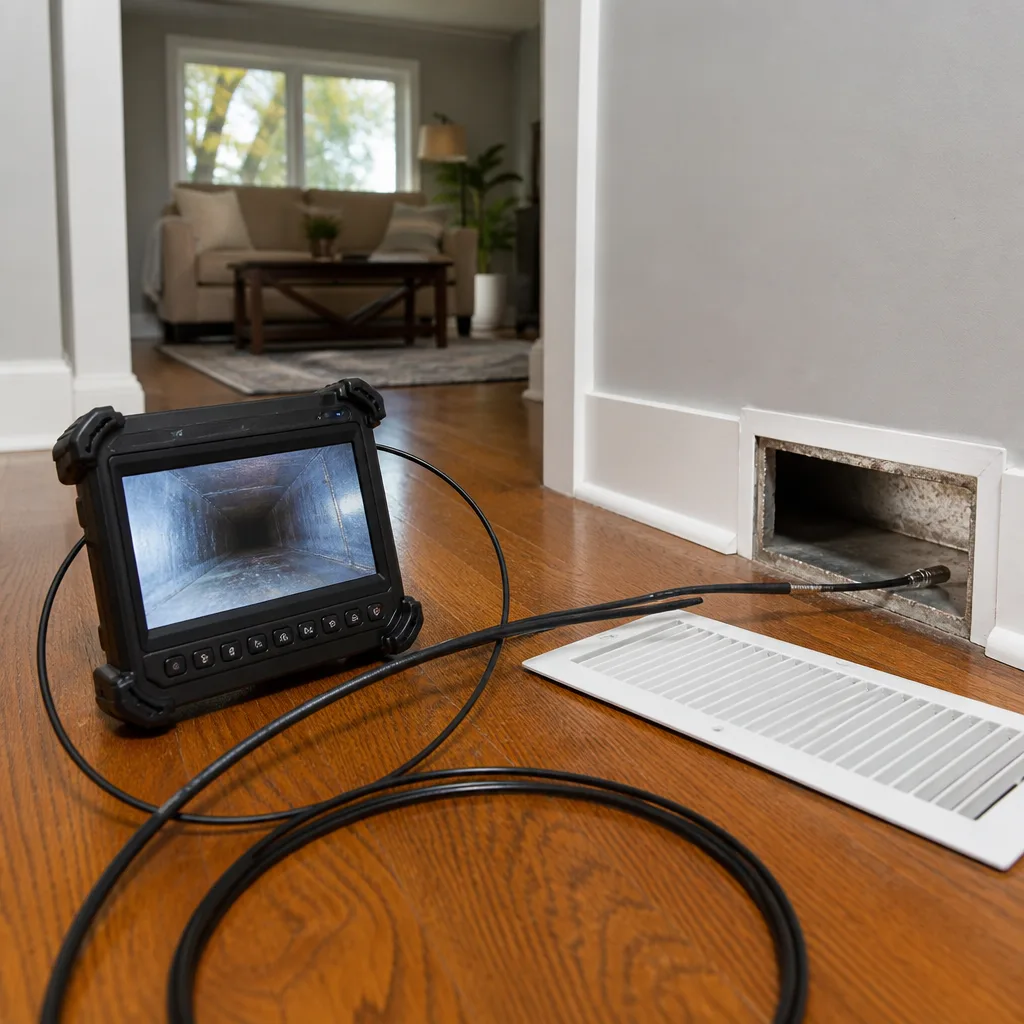
What the camera should show: in a well-maintained Houston system, the February inspection should reveal light dust coating, no moisture staining, and intact duct seams. If the camera shows sludge buildup, bonded debris, or biological growth, that’s documentation that the 3-4 year cleaning interval has been exceeded or that the system has an unaddressed moisture source. Our Air Duct Cleaning Maintenance Checklist for Houston Homeowners covers what to document.
This is also the window to schedule HVAC cleaning in Houston before the April demand surge. Coil cleaning, blower assembly service, and duct inspection as a combined scope lets the technician assess how winter runtime affected the full system.
April-May: Pre-Summer Load Preparation
Houston’s first 90-degree day arrives between April 15 and May 5 in most years. By then, every competent HVAC contractor is booked two weeks out. The homeowners who planned ahead have already had their coils cleaned and their ducts inspected.
The connection between coil condition and duct pressure performance is direct and often misunderstood. An evaporator coil with 1/16 inch of biological film - common after a humid Houston winter - reduces airflow across the coil by 15-20%. The blower compensates by running longer. Longer blower runtime increases negative pressure in the return ductwork, which pulls more attic air through leaks. More attic air means more particulate loading, faster filter clogging, and accelerated debris accumulation throughout the system.
We document this chain reaction in our photo records. A Heights homeowner in April 2023 had a coil we photographed with visible slime mold colonization. The return duct runs showed corresponding heavy loading - not because the ducts were “dirty,” but because the compromised coil had forced the system to work harder for three months. Cleaning the coil and the ducts as an integrated scope restored measured airflow to manufacturer specification.
Pre-summer preparation checklist:
- Schedule coil and duct inspection by mid-April - before the first sustained heat wave
- Verify condensate drain line flow - a clogged drain in Houston humidity floods the secondary pan, and if that fails, the ceiling. We clear and test drains as part of our HVAC cleaning scope
- Inspect outdoor condenser coils for cottonwood and pollen matting - Houston’s April pollen season coats condenser fins, raising head pressure and reducing system efficiency
- Replace filters with MERV 11-13 pleated media - sufficient for Houston pollen loads without restricting airflow in systems with marginal blower capacity
- Check attic duct insulation for compression or displacement - flex duct insulation that has been walked on during holiday storage loses R-value and sweats in the first humid week
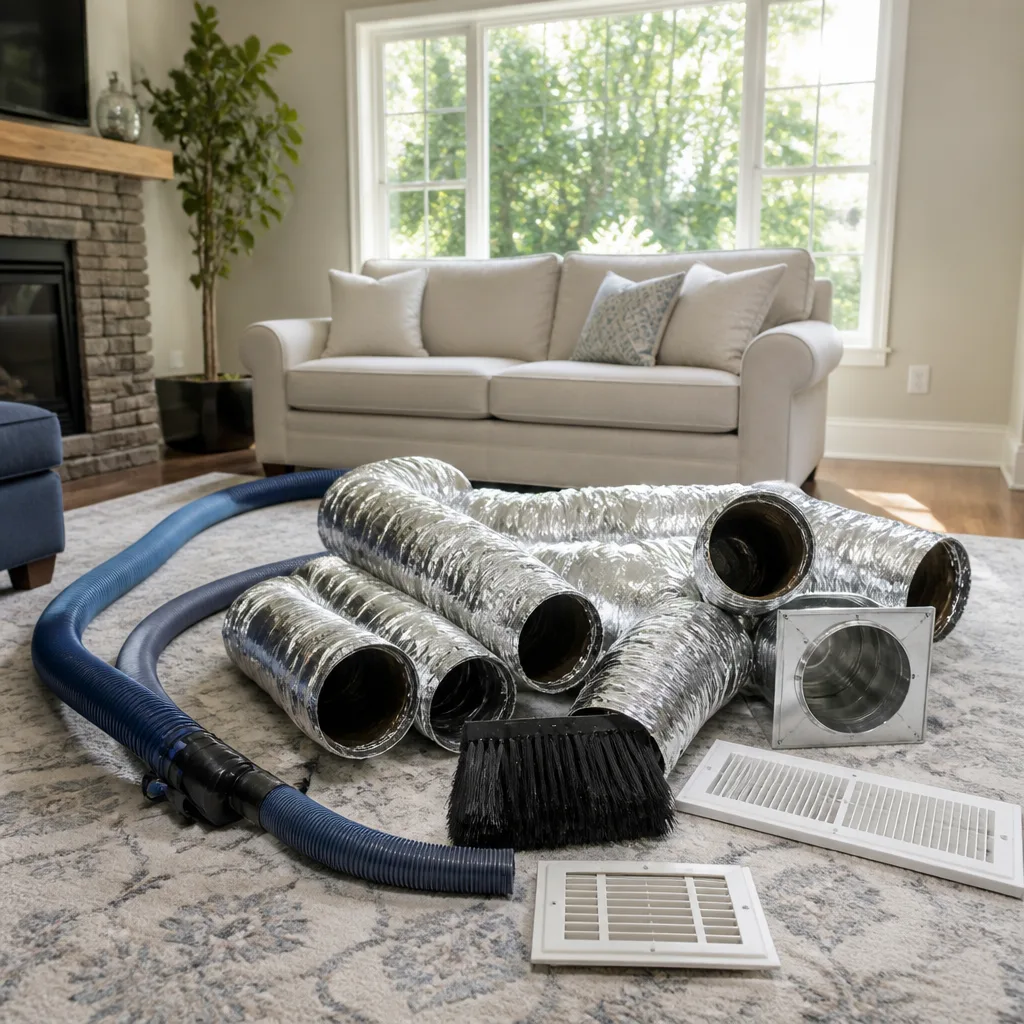
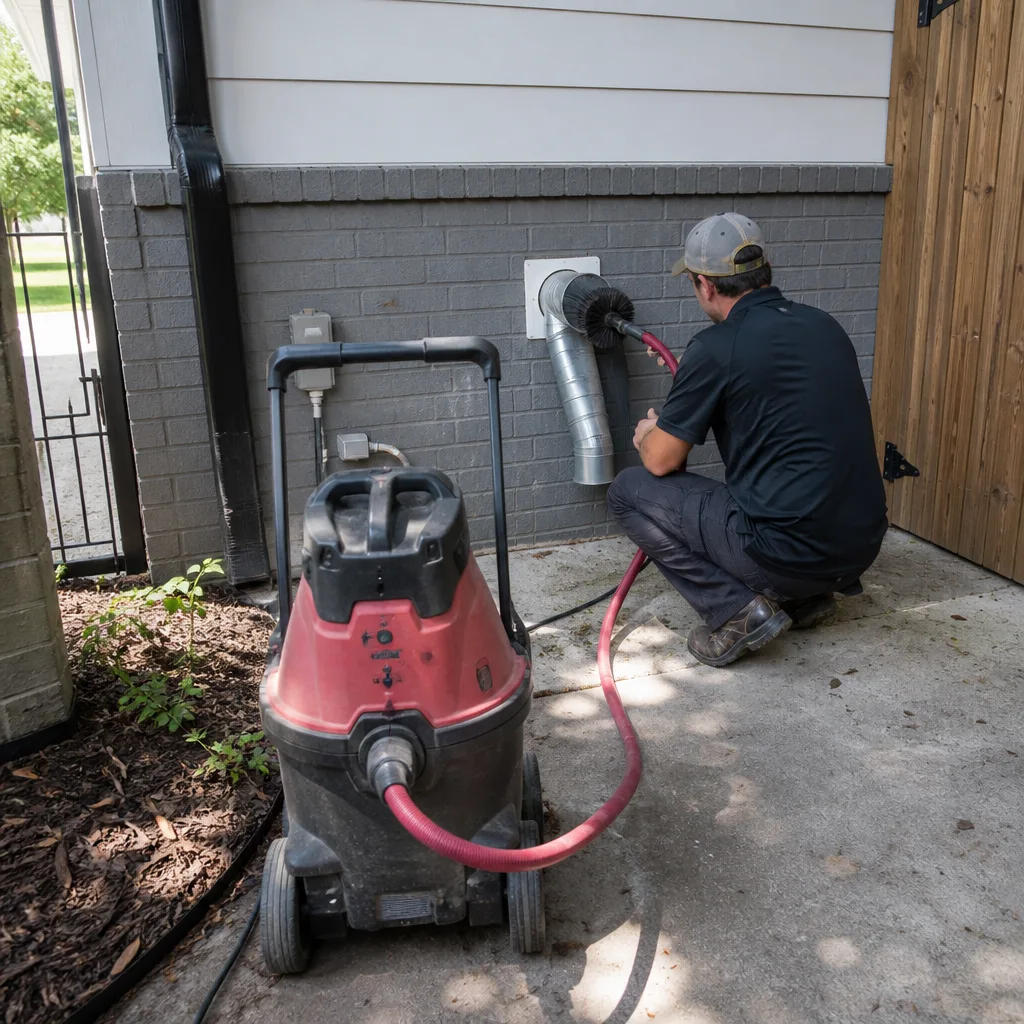
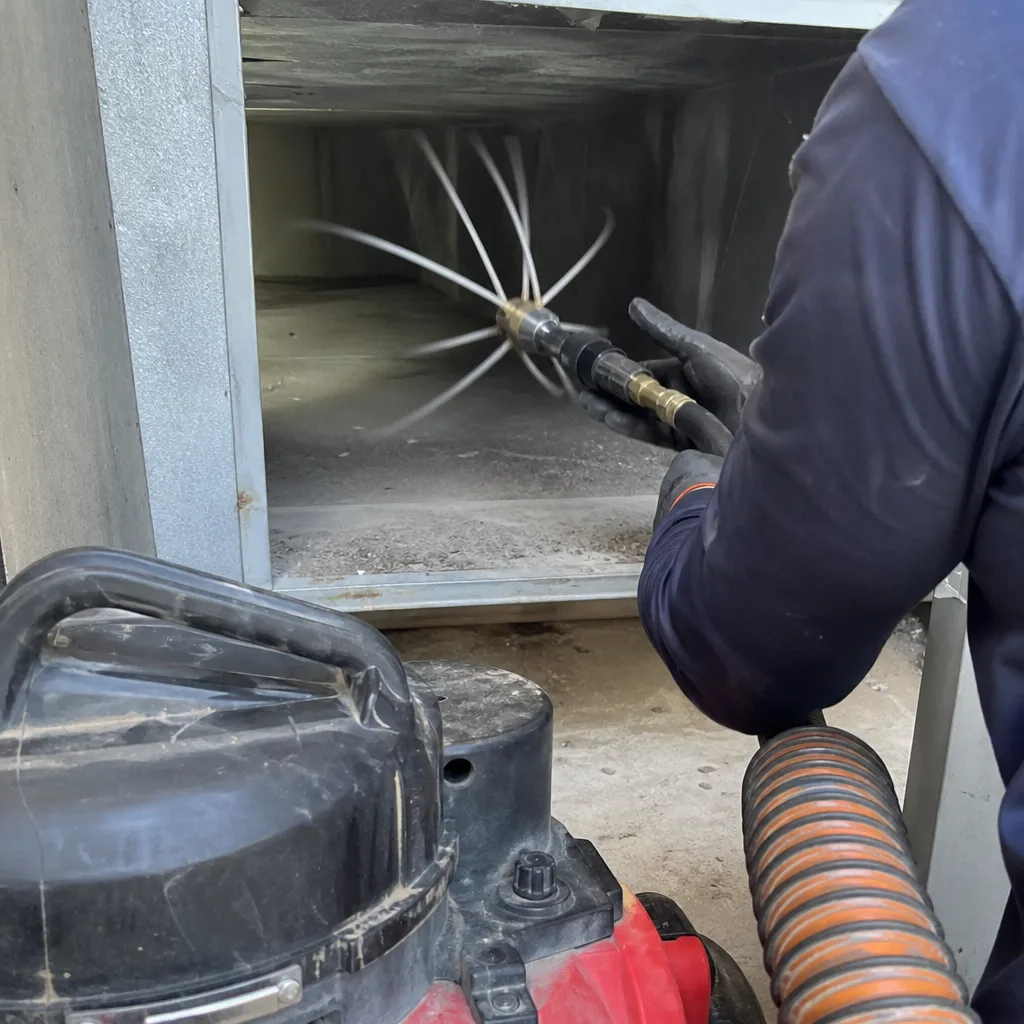
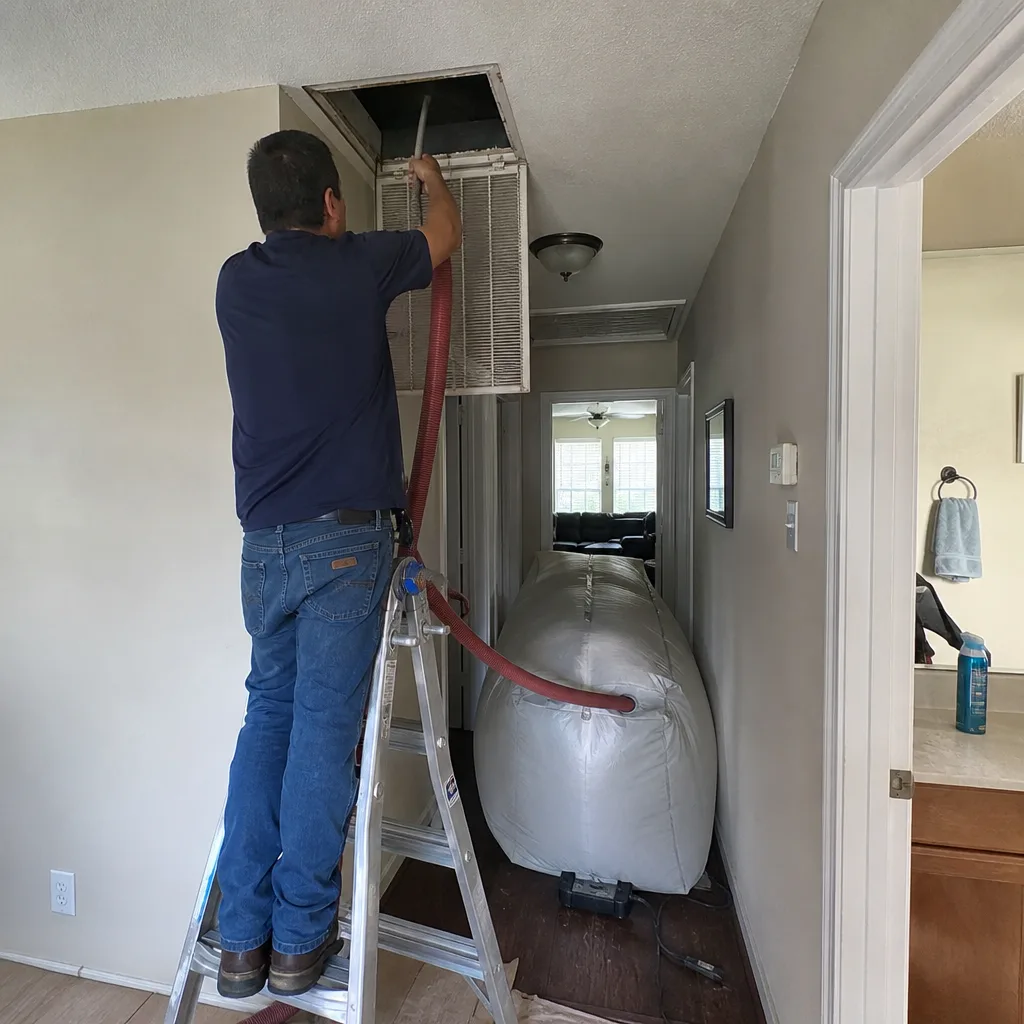
Our equipment for this scope includes Rotobrush mechanical agitation systems for duct interiors and Nikro negative-pressure extractors for debris removal. The combination lets us photograph a duct run before and after with the register removed, showing the actual surface condition rather than the vague “cleaner” claim of vacuum-only services.
Haven Standard Clause 1 applies here: written price delivered before any work starts. Pre-summer demand doesn’t change that. We put the full scope and price in writing while we’re still in the inspection phase, not after we’ve begun disassembly.
June-September: High-Humidity Continuous Runtime
From June through September, Houston’s air conditioner runs 18-22 hours daily. The ducts are under constant pressure, constant temperature differential, and constant humidity load. This is where latent problems become visible problems.
The specific Houston issue: under-insulated or uninsulated duct sections in attics. When 55°F supply air passes through a duct with compromised insulation in a 130°F attic, the exterior duct surface sweats continuously. That moisture drips onto attic insulation, degrades it, and eventually stains the ceiling below. More critically for air quality, the moisture wicks into the duct through seams and micro-cracks, carrying with it attic particulate - fiberglass fragments, rodent droppings, degraded insulation dust - that the supply airflow then distributes through the house.
In our work across Cypress, Spring, and Humble, we’ve identified this pattern by the telltale signs visible from inside the duct: a ring of dark staining at the seam location, often with a granular texture that turns out to be degraded insulation under magnification. The homeowner typically reports “a musty smell when the AC first comes on” or “stains on the ceiling that the roofer says aren’t leaks.”
What homeowners can monitor during summer runtime:
- Register airflow temperature consistency: A supply register that blows noticeably warmer air than others in the same zone often indicates duct leakage or insulation failure in that run
- Ceiling stains near duct chases: Brown or yellow discoloration in a straight line (following the duct path) suggests condensation, not roof leakage
- Increased dust accumulation on horizontal surfaces: A sudden change in dusting frequency, particularly fibrous or glittering particles, can indicate attic air infiltration
- Humidity readings above 55% indoors despite the AC running: this signals the system is not achieving adequate latent heat removal, often due to restricted airflow from dirty ducts or coils
June-September is not the ideal window for full duct cleaning - demand is high, and opening the system during peak load creates temporary disruption. But it is the critical window for identifying problems that should be addressed in the October-November post-cooling inspection. Document what you observe: photos of stains, notes on which registers behave differently, humidity readings by room. This record becomes the basis for a scoped, priced cleaning plan in the fall.
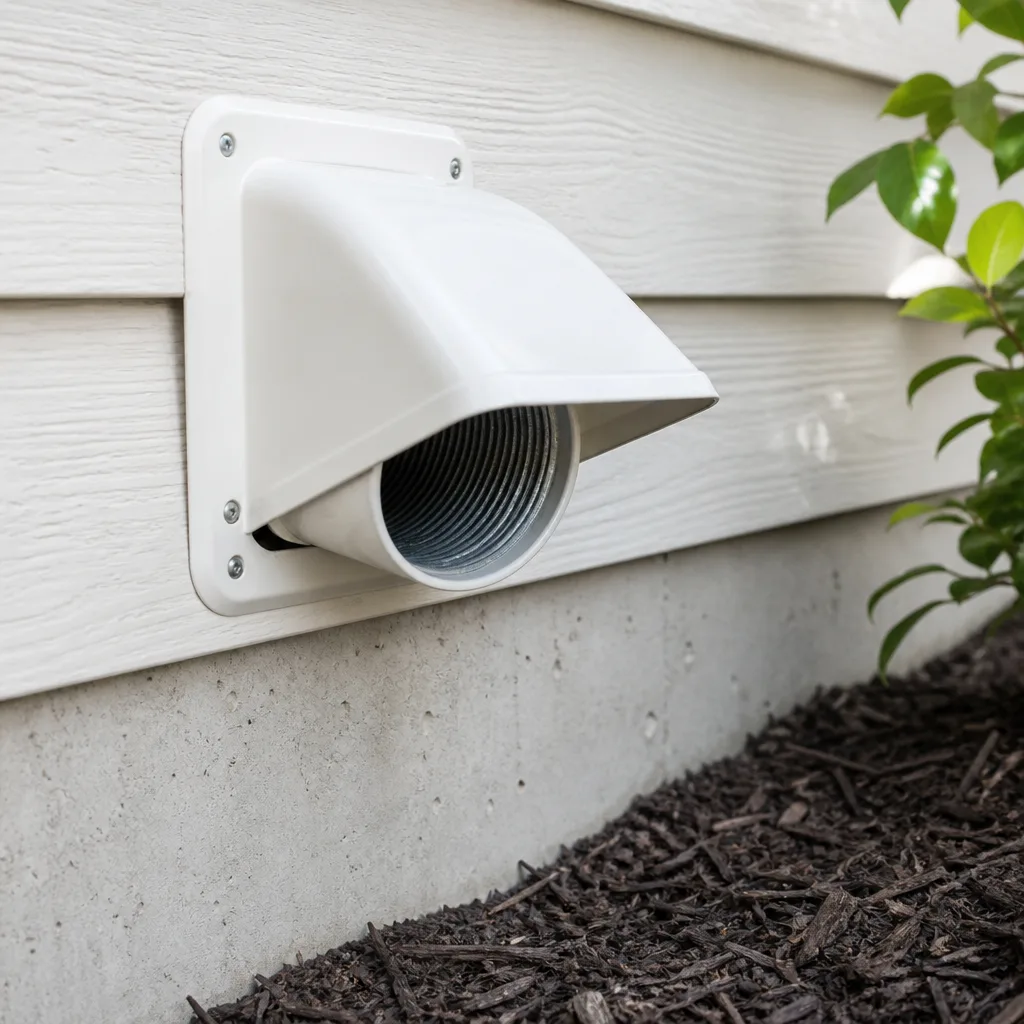
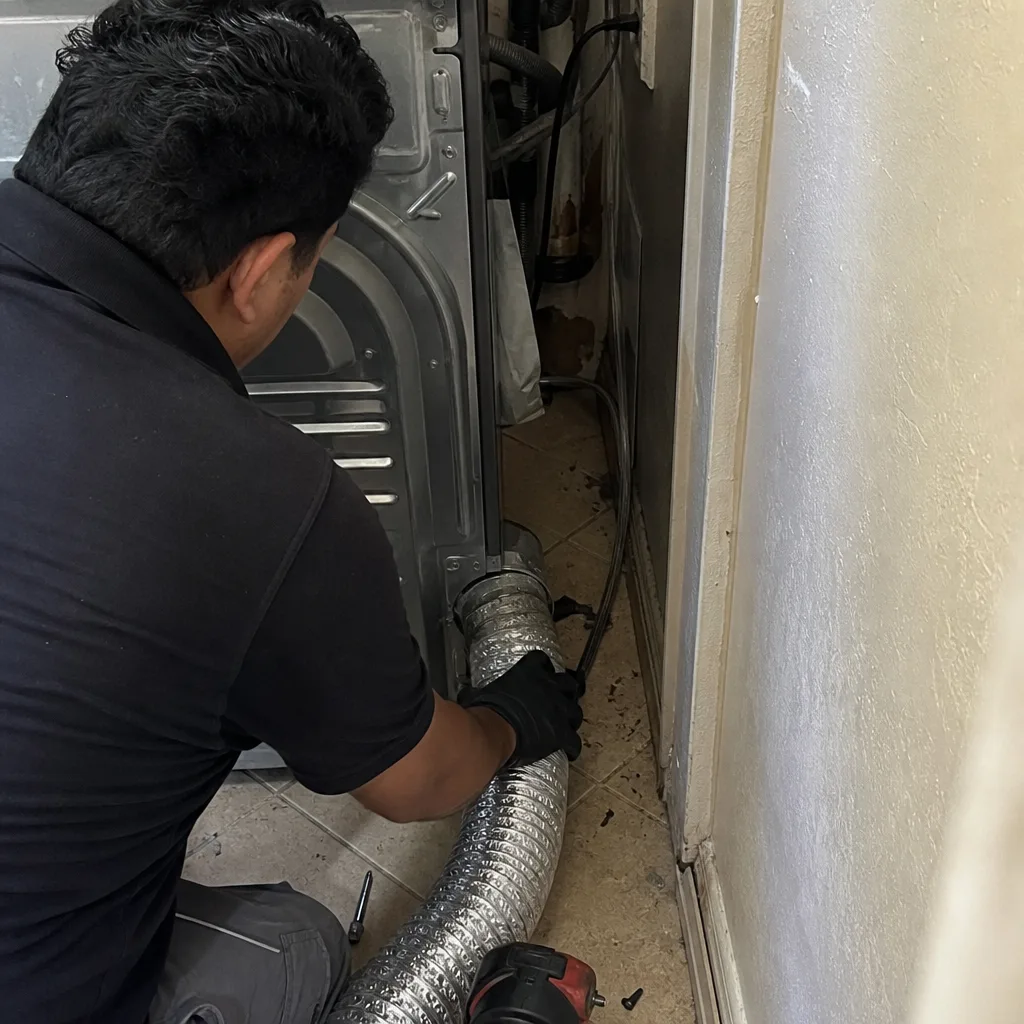
For dryer vent cleaning in Houston, summer is actually the highest-risk period. The combination of heavy laundry loads (towels, swimwear) and already-elevated attic temperatures creates dryer vent fire risk that peaks in July and August. We treat dryer vent inspection as a separate scope from duct cleaning, with its own photo record and written price.
October-November: Post-Cooling Season Assessment
When the first genuine cold front arrives - typically mid-October, though Houston has seen 90-degree days in November - the air conditioner shuts off for what might be two weeks or two months. This is the optimal inspection window: the system is at maximum accumulated runtime, the full summer load is visible in the ductwork, and contractor scheduling opens before the heating-season rush.
What the camera should show after a full Houston summer:
- Return duct runs: Light to moderate dust coating is normal. Heavy ridges, particularly at elbows and transitions, indicate inadequate filtration or excessive runtime. Biological growth - black, green, or pink spotting - indicates moisture intrusion that must be sourced and sealed before cleaning
- Supply duct runs: Should show less accumulation than returns due to filter protection. Disproportionate supply loading suggests filter bypass (poor fit, incorrect size, or collapsed pleats) or duct leakage pulling unfiltered air
- Plenum surfaces: The plenum - the large central duct that distributes air to individual runs - should show uniform light coating. Streaking or directional staining indicates airflow imbalance or moisture entry
- Coil condition: Post-summer coil inspection reveals whether the condensate management kept pace with humidity load. Scale buildup, slime residue, or corrosion spotting all affect next season’s performance
The October-November assessment informs the cleaning frequency decision. A system that shows light, uniform accumulation after four Houston summers is on track for the 3-4 year interval. A system with heavy ridges, moisture damage, or filter bypass issues may need more frequent attention, with the underlying problem corrected first.
We deliver this assessment as a documented photo record with written findings, not a verbal “you should clean your ducts” recommendation. The homeowner in Bellaire who sees the actual image of a 2-inch debris ridge at their return elbow doesn’t need persuasion. They need a scope and a price. Haven Standard Clause 1: written price before any work starts.
This window is also when we schedule air duct cleaning in Houston for homeowners whose last service was 3-4 years prior. The timing lets us complete the work before holiday hosting, verify heating-season performance, and establish the baseline for the next cycle.
The Documented Case for 3-4 Year Houston Cleaning Intervals
The National Air Duct Cleaners Association (NADCA) guideline of 3-5 years assumes national-average runtime. The EPA’s more conservative 5-7 year figure assumes standard residential use in mixed climates. Neither accounts for Houston’s 3,500+ annual runtime hours.
Our documented case is built on 52,000+ homes served since 2013, each with a photo record, written scope, and runtime estimate based on utility bill review where available. The pattern is consistent: Houston homes with standard 1-inch pleated filters and no whole-house air cleaner show measurable debris accumulation at 2.5-3 years that begins to affect airflow. By 4 years, the accumulation is visible at register removal without specialized equipment.
Specific Houston factors that compress the interval:
| Factor | Impact on Interval | Documentation Source |
|---|---|---|
| 3,500+ annual runtime hours | Compresses 5-year national interval to 3-3.5 years | Utility bill analysis, blower runtime meters |
| Year-round humidity above 60% | Moisture-bonded debris requires mechanical agitation, not vacuum alone | Pre/post photo records showing sludge removal |
| Houston pollen season (Feb-Apr) | Filter overload events push unfiltered particulate into returns | Filter inspection photos, debris composition analysis |
| Post-2017 Harvey sediment | Fine silt infiltration in affected areas extends debris profile | Geographic correlation in photo records |
| Attic ductwork in unconditioned space | Thermal degradation of flex duct insulation accelerates leakage and infiltration | Thermal imaging, blower door test correlation |
The 3-4 year interval is not marketing positioning. It’s a runtime-based calculation that happens to produce a shorter calendar interval in Houston than in Minneapolis or Seattle. Homeowners who follow it report consistent airflow, stable humidity control, and no surprise ceiling stains. Homeowners who extend to the national 5-7 year guideline often call us after the first summer of reduced cooling capacity, by which point the debris is bonded and the remediation scope is larger.
Our 365-Day Done Right Promise applies to every cleaning we perform. If the photo record doesn’t show the documented improvement, or if airflow testing doesn’t confirm restored performance, we return and correct it. That’s a written guarantee, not a policy subject to manager approval.
What Homeowners Can Check vs. What Requires Professional Equipment
We distinguish between observation, which homeowners can perform safely, and intervention, which requires containment equipment and mechanical agitation tools.
Homeowner-appropriate checks:
- Register removal and flashlight inspection of duct boots
- Filter condition assessment and replacement
- Condensate drain line flow verification (pour water into the access port; it should exit at the exterior termination within 30 seconds)
- Thermostat runtime logging (many smart thermostats report daily HVAC runtime; accumulate this data for contractor discussion)
- Ceiling stain monitoring and photography for trend documentation
Professional-scope work:
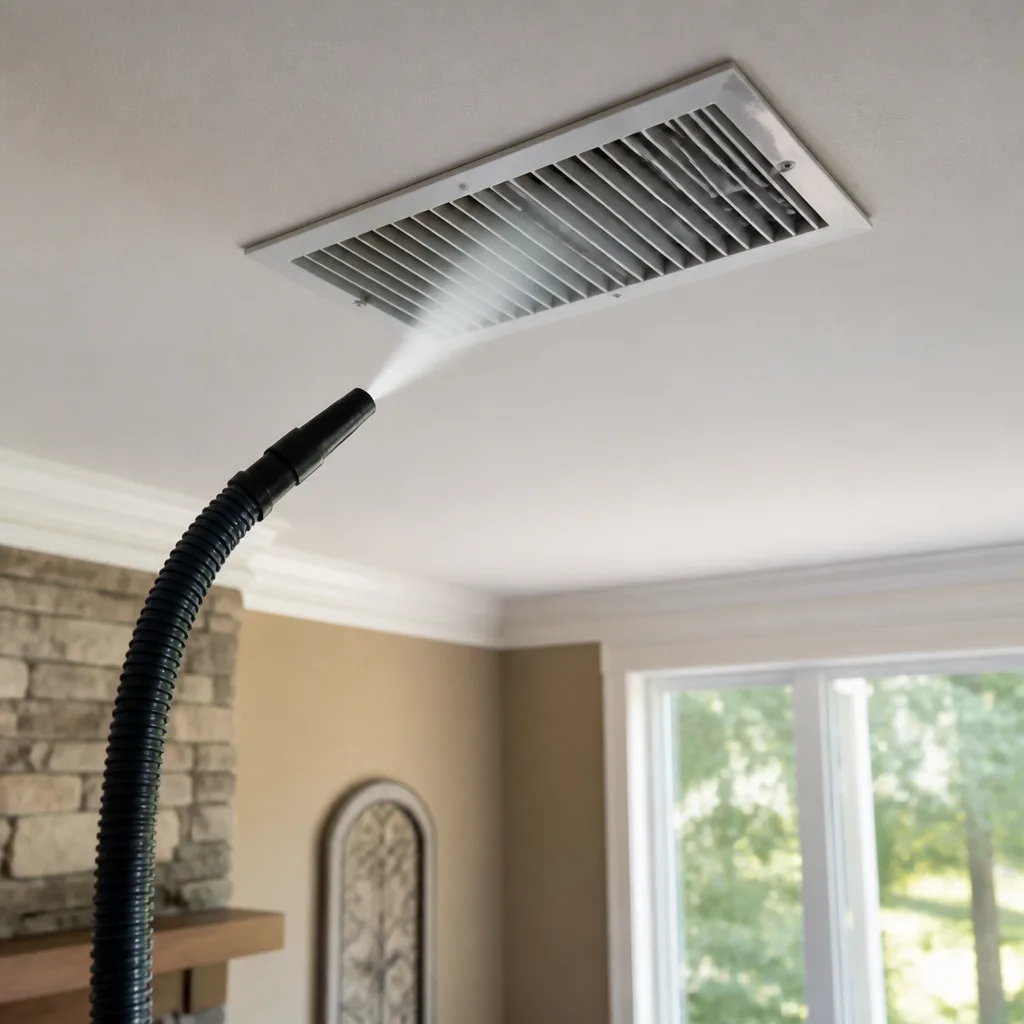
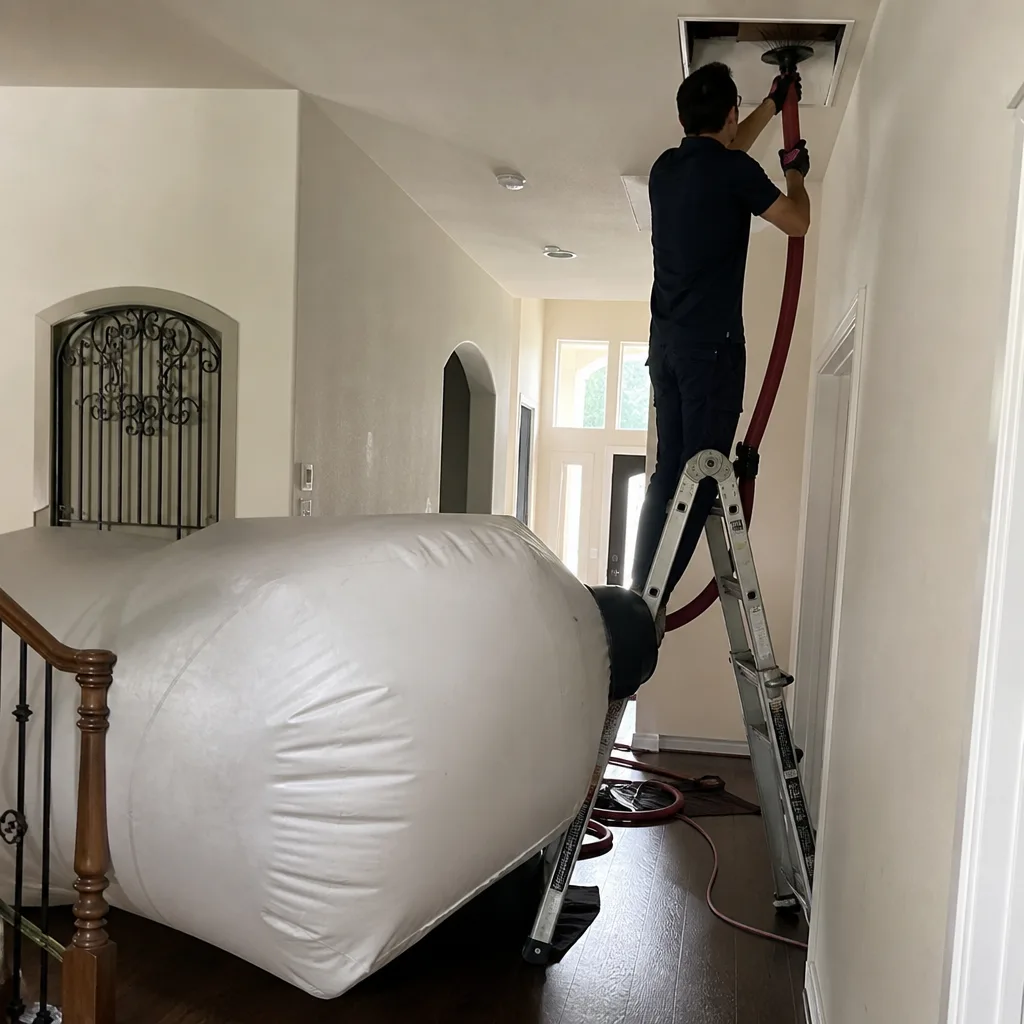
- Negative-pressure extraction with HEPA filtration (required to prevent debris redistribution during cleaning)
- Mechanical agitation of duct interior surfaces (Rotobrush or equivalent) to dislodge bonded debris
- Coil cleaning with foaming agents and rinse containment
- Blower assembly removal and cleaning
- Duct leakage testing with calibrated fan and pressure measurement
- Photo documentation of every duct run interior, delivered as a standard job record
The safety consideration: ductwork in Houston attics runs through 130°F heat, across joist bays with limited footing, and near electrical service. Falls and heat exhaustion are genuine risks. The ductwork itself contains no high-voltage components, but the environment does. We don’t recommend attic duct inspection as a homeowner activity from June through September.
Our crews operate under Haven Standard Clause 3: Verified Crews. Background-checked, uniformed, identified by name before arrival. The technician who inspects your system is the technician whose name appears on the written scope.
Common Mistakes to Avoid
- Waiting for visible dust at registers. By the time debris reaches the register, the duct run is heavily loaded. Houston’s humidity bonds debris to duct walls; it doesn’t drift freely to the nearest exit. Inspect at the register, but don’t use it as your only indicator.
- Accepting per-vent pricing. A home with 12 supply registers and 3 returns isn’t “15 vents” - it’s a single integrated system with one plenum, one blower, one coil. Per-vent pricing obscures the actual scope and invites upselling. CleanRun quotes one flat price per system, agreed in writing before work starts.
- Ignoring the coil. Duct cleaning without coil inspection addresses symptom, not cause. A dirty coil forces longer runtime, which reloads the ducts faster. We won’t perform duct cleaning without coil assessment; the two are mechanically inseparable.
- Scheduling during peak demand without inspection. The Houston homeowner who calls in July for “duct cleaning” often gets a rushed scope with no photo record. Schedule inspection in October-November for work that can be scoped, priced, and performed with documentation.
- Using the national 5-7 year guideline. This figure appears on countless websites because it’s easy to copy. It doesn’t account for Houston runtime hours. Treat it as you would winterization advice written for Vermont.
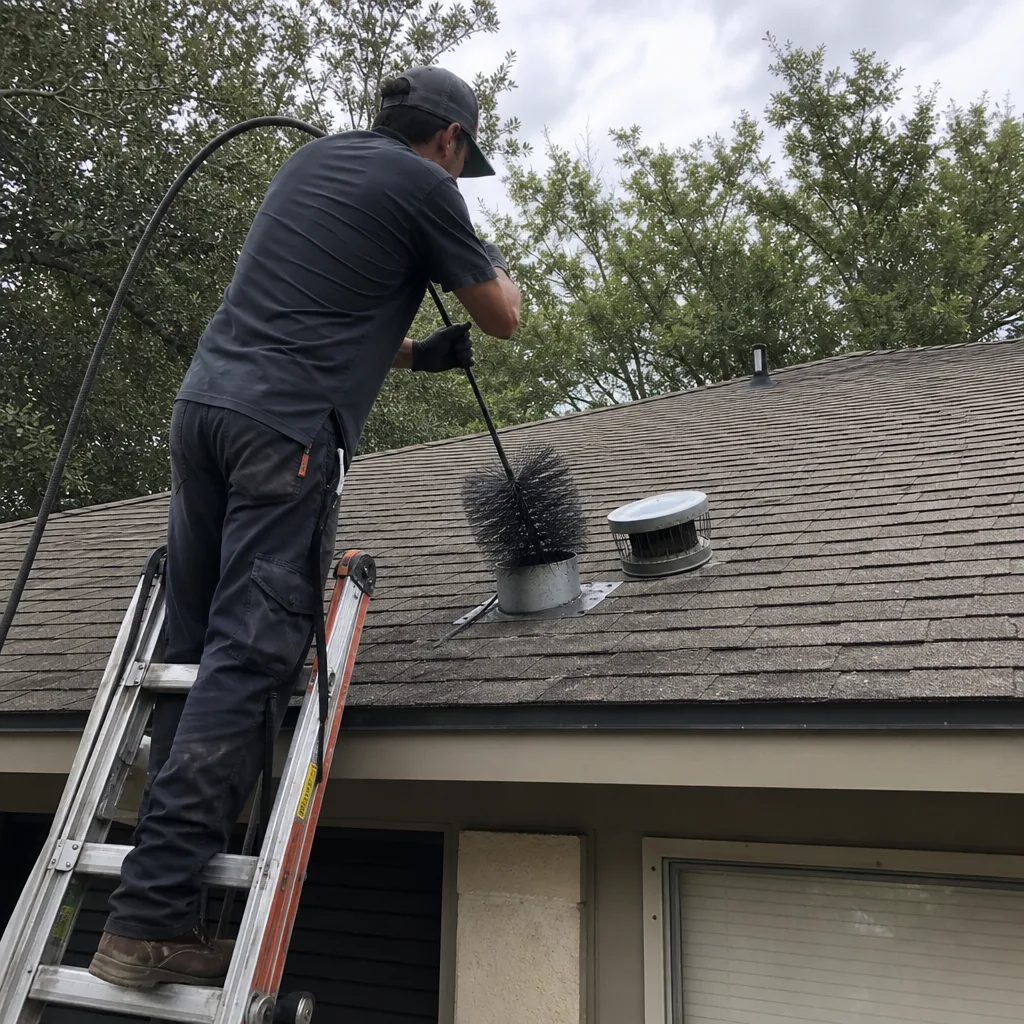
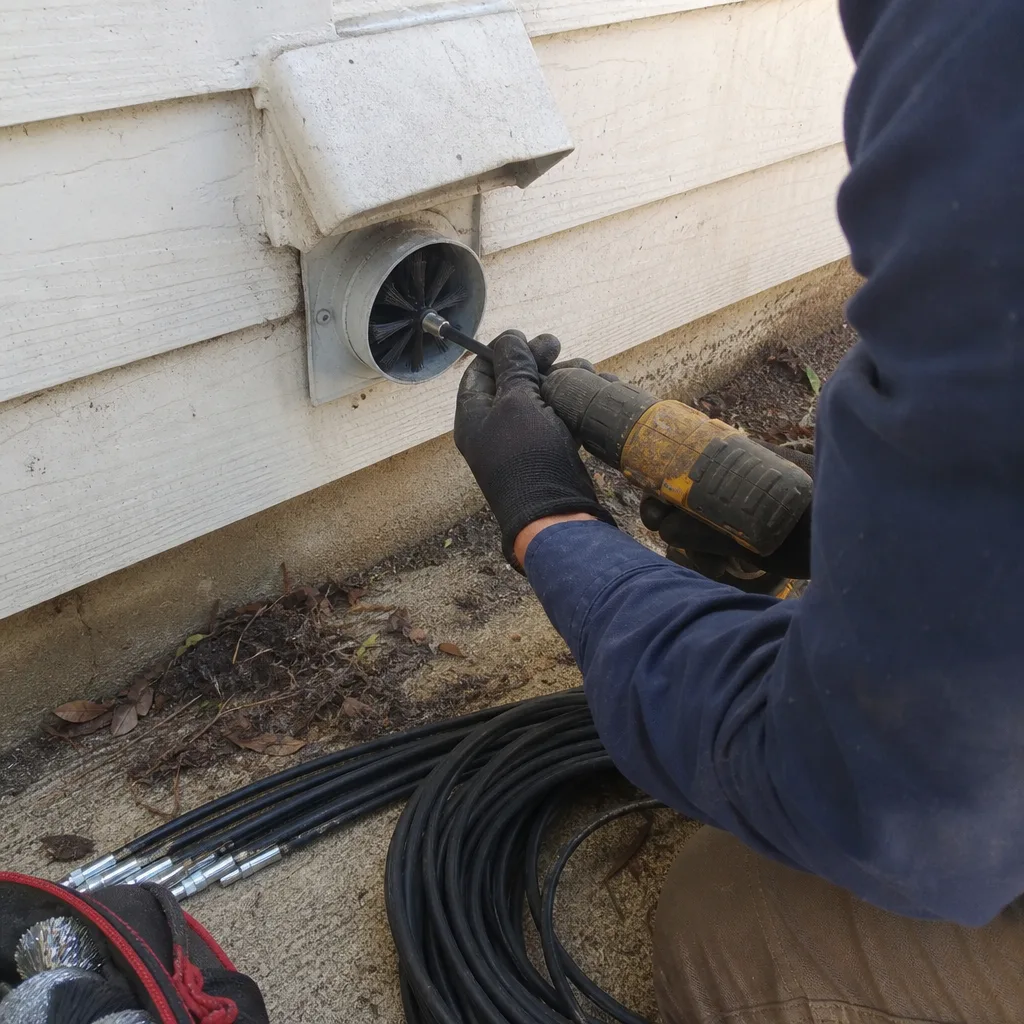
- Neglecting dryer vents. A clogged dryer vent in Houston’s summer heat is a fire risk that compounds with every load. We photograph dryer vent interiors with the same documentation standard as ductwork; the photo record often shows lint compaction that the homeowner didn’t suspect.
- Trusting “sanitizing” upsells without evidence. EPA-registered antimicrobial application has specific use conditions and dwell time requirements. We apply Guardsman antimicrobial products only where photo documentation shows biological growth, with the application method following manufacturer specification. Blanket “sanitizing” of clean ducts is unnecessary expense.
When to Call a Professional
Call when you observe moisture staining at registers, persistent musty odor at system startup, visible debris at register removal, or ceiling stains following duct paths. Call when your last professional inspection exceeds 3 years in Houston runtime. Call when you’ve purchased a home and have no documentation of prior duct condition - the photo record establishes your baseline.
CleanRun Air Duct Cleaning Houston offers free estimates in Houston. Every estimate includes register-level inspection, photo documentation of accessible ductwork, and a written scope with flat-system pricing. No per-vent calculations, no “call for a quote” deferrals. Call (346) 251-8919 to schedule.
Frequently Asked Questions
Whole-home air duct cleaning in Houston typically costs $400-$900 for a single-system residential installation, depending on system accessibility, duct material (flex vs. metal), and whether coil and blower service are included. CleanRun delivers a written price before any work starts under Haven Standard Clause 1; we don’t provide “starting at” figures that change on arrival. Call (346) 251-8919 for an exact quote - estimates are free.
The $79-$149 coupon offers typically cover register vacuuming and little else. The crew spends 45 minutes, provides no photo record, and departs with the ducts essentially unchanged. We’ve been called after these services to photograph debris still in place. Real duct cleaning with negative-pressure extraction, mechanical agitation, and documented before/after photography requires 3-4 hours for a typical Houston home and professional-grade equipment. The price reflects actual scope.
You should receive a photo record of every duct run, before and after, as a standard deliverable. CleanRun has provided this on every job since 2013. If a contractor can’t show you the inside of your ducts, they can’t prove they cleaned them. Ask for the photo record before you sign the completion acknowledgment.
Every 3 to 4 years based on Houston’s 3,500+ annual HVAC runtime hours, not the 5-7 year national guideline. Homes with whole-house air cleaners, premium filtration, or minimal attic ductwork may extend toward 4 years. Homes with standard filters, unconditioned attic ducts, or post-storm air quality events may need attention at 3 years. The October-November inspection photo record informs the specific timing for your system.
Homeowners can inspect register boots and replace filters. Full duct cleaning requires negative-pressure containment equipment to prevent debris redistribution, mechanical agitation tools for bonded debris, and access to the full duct network including plenum and coil. We don’t recommend DIY duct cleaning for the same reason we don’t recommend DIY electrical panel work: the equipment and containment requirements are specific, and the consequences of incomplete work include degraded air quality and system damage.
Active mold growth in ducts requires sustained moisture, not just humidity. Houston’s climate provides the humidity; mold requires a moisture source such as condensation from uninsulated ducts, condensate drain backup, or roof leakage into the duct chase. Our inspection distinguishes between humidity-related debris accumulation (common, cleanable) and active biological growth (less common, requires moisture source remediation before cleaning). The photo record shows which condition exists in your system.
If your home experienced water intrusion or prolonged power outage with humidity accumulation, inspect after the event. Otherwise, follow the runtime-based 3-4 year interval. Post-Harvey, we documented fine silt infiltration in duct systems that had no visible water damage but had operated during periods of extremely high particulate loading. The photo record from your last cleaning establishes whether post-storm inspection is warranted.
The Bottom Line
Houston’s climate calendar is simple: long cooling, brief heating, humidity that never quits. Your duct care calendar should match it. Inspect after winter condensation in February-March. Prepare the full system before summer load in April-May. Monitor for humidity damage during June-September continuous runtime. Assess and schedule cleaning in the October-November post-cooling window. Clean every 3-4 years based on runtime, not national averages. Demand photo documentation, written pricing, and verifiable equipment on every job. Find more guides & resources on Houston-specific duct care. The ductwork in your Houston home works harder than almost any comparable system in the country. It deserves a maintenance calendar that acknowledges the load.
Written by Tomas Reyes, Owner at CleanRun Air Duct Cleaning Houston, serving Houston since 2013.