
Last updated September 23, 2026
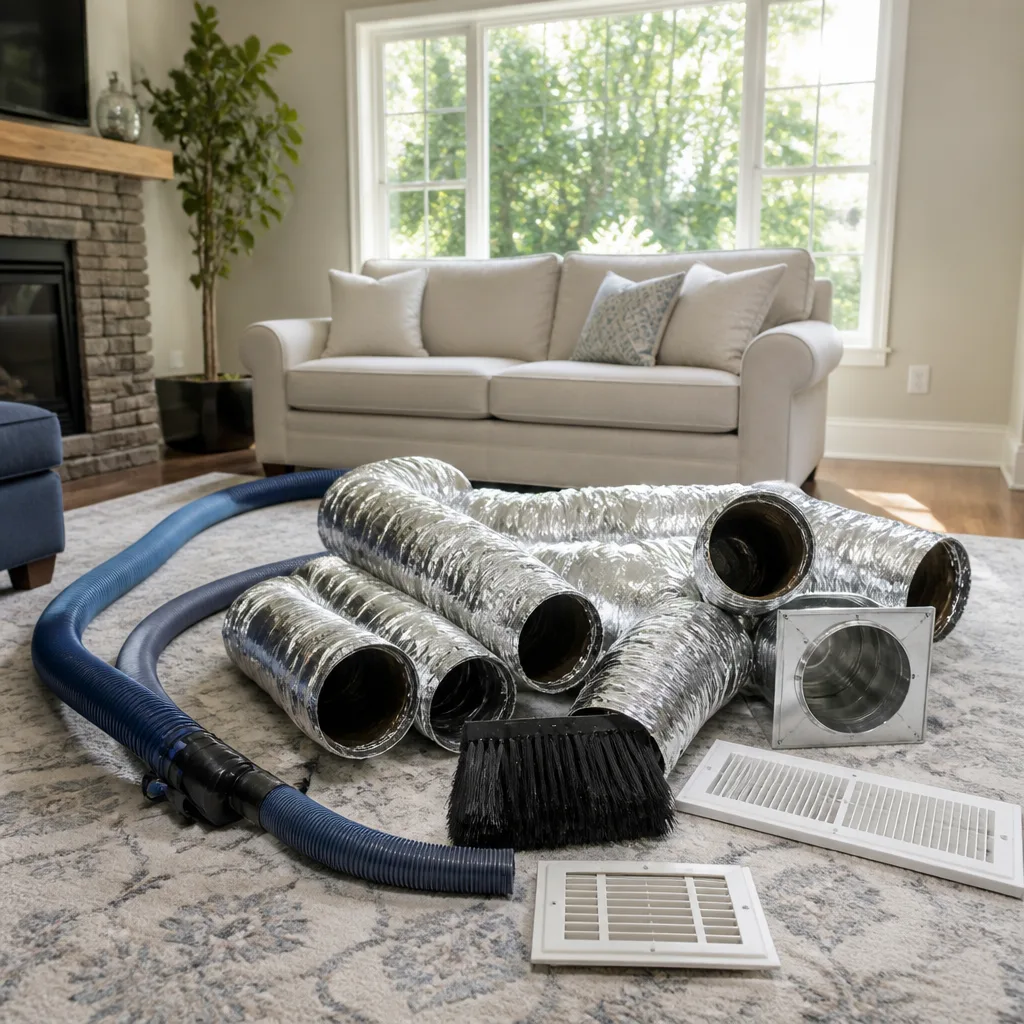
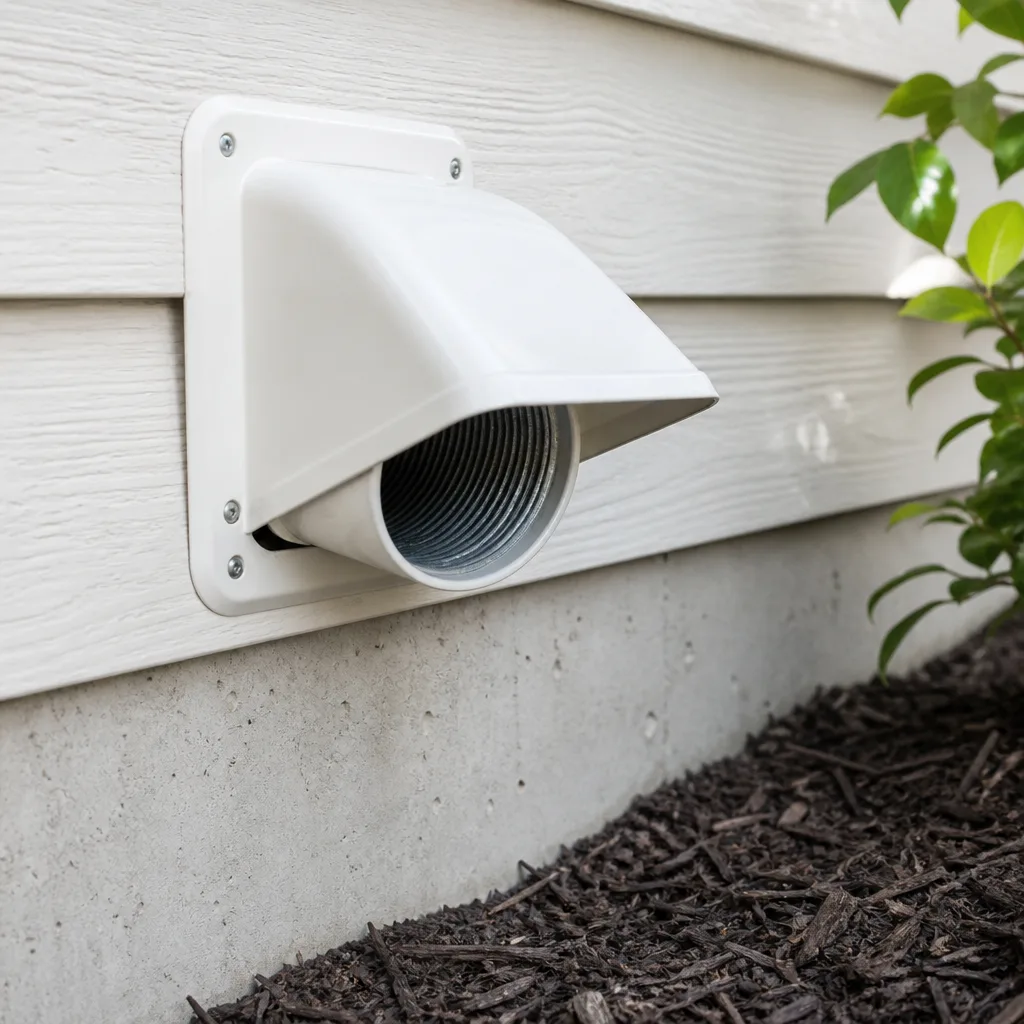
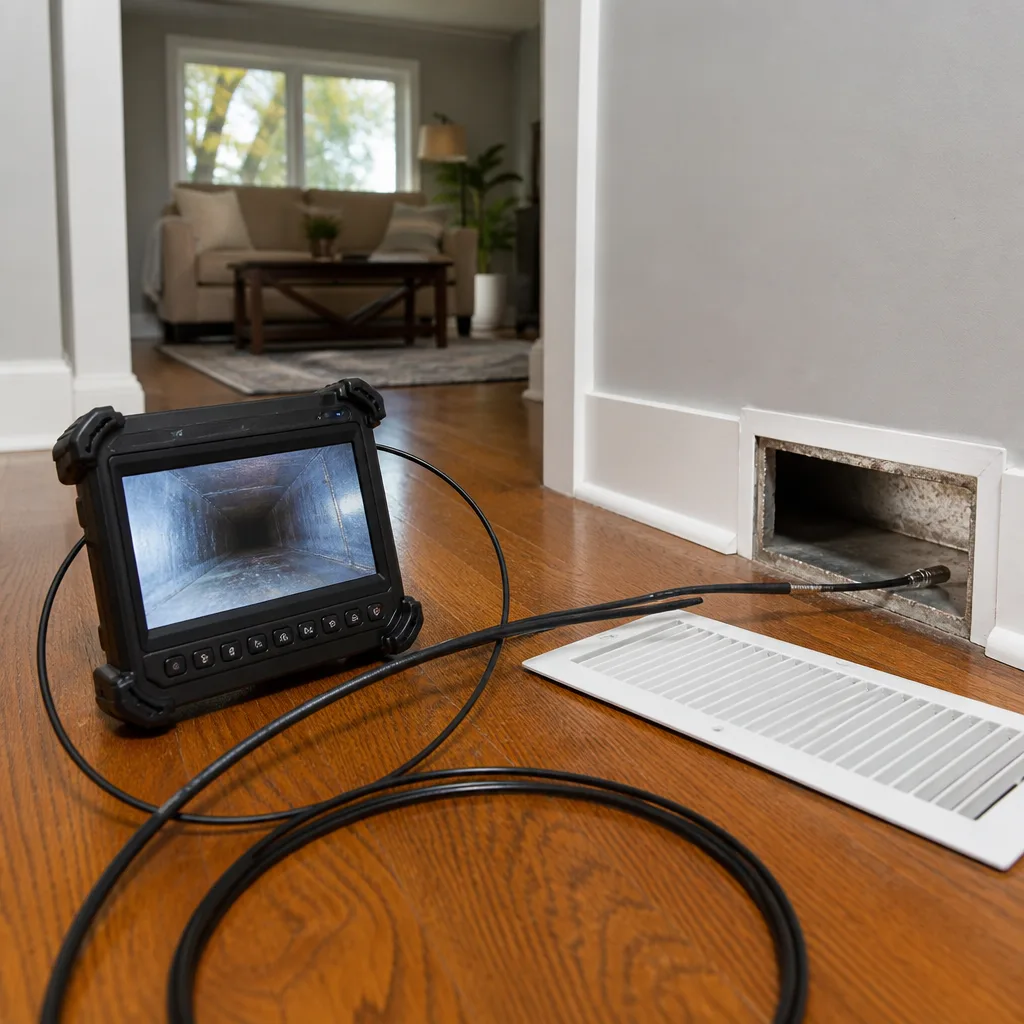
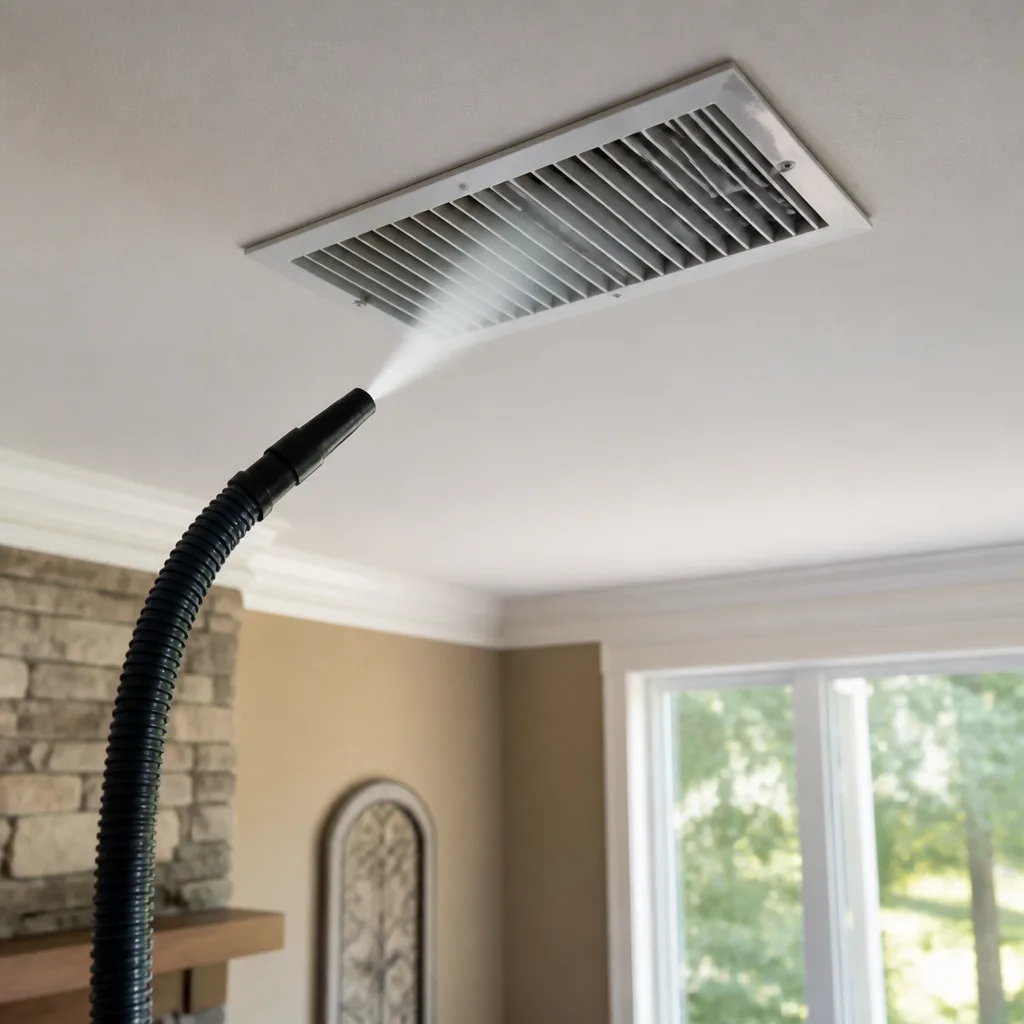
Whole-system duct and dryer vent check with before-and-after photos - you see exactly what came out of your vents
That "$99 whole-house special" is a bait ad - the real number appears once they are in your hallway, or the "clean" is a shop-vac at the register. We photograph the inside of your ducts before and after instead.
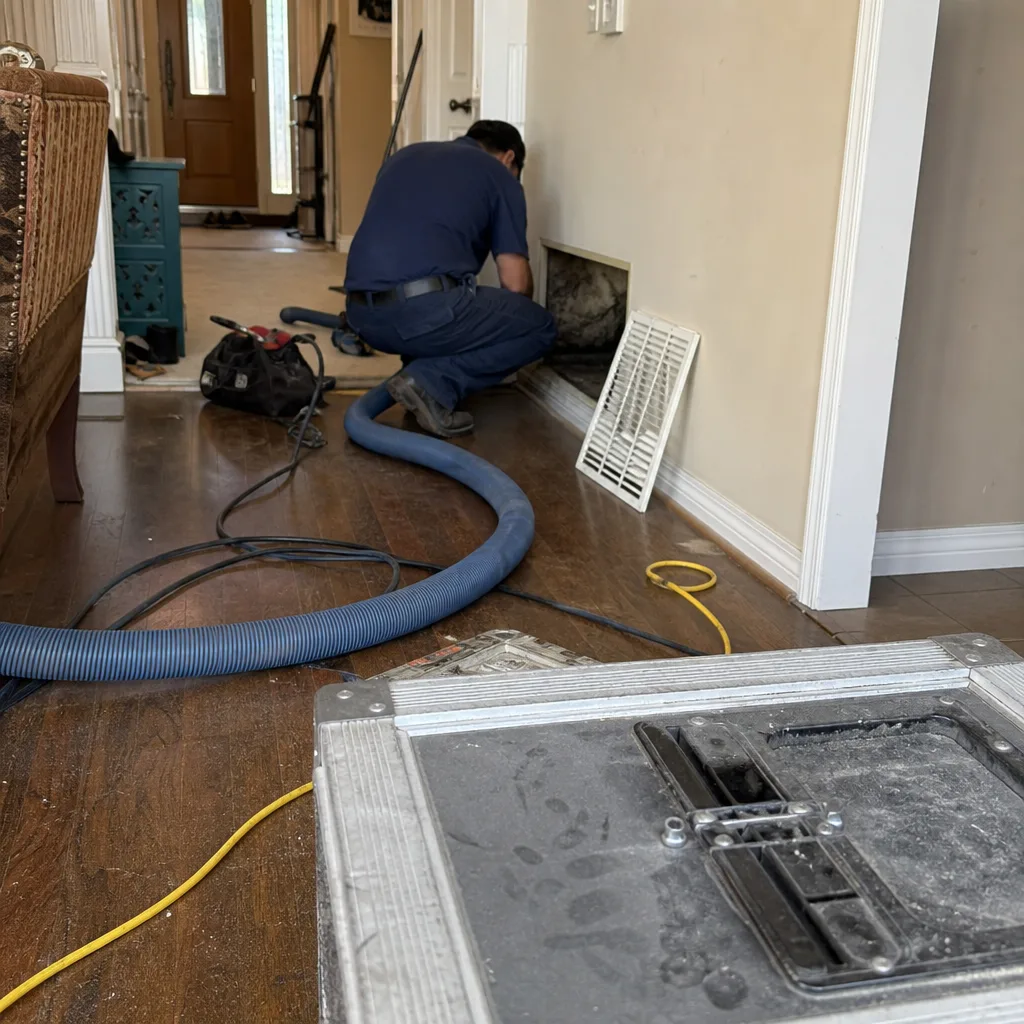 Before
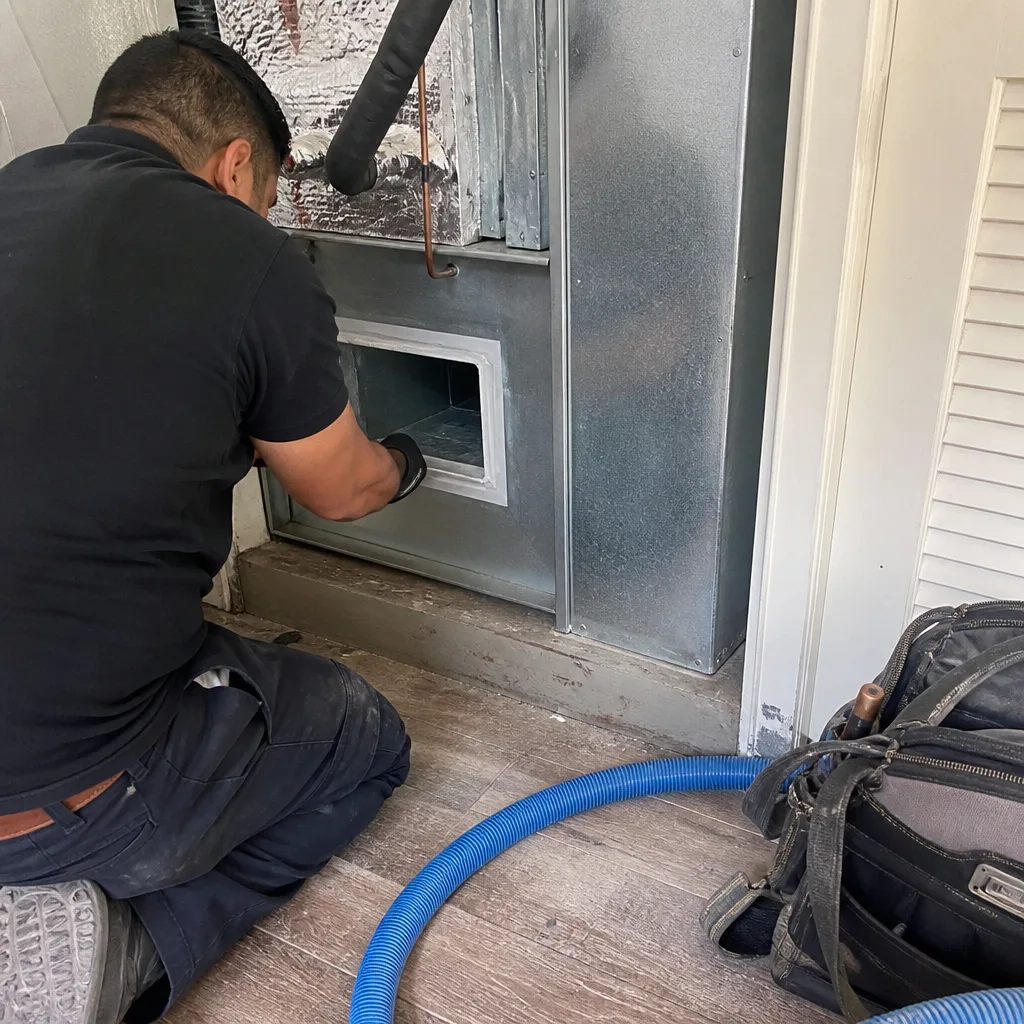 After
After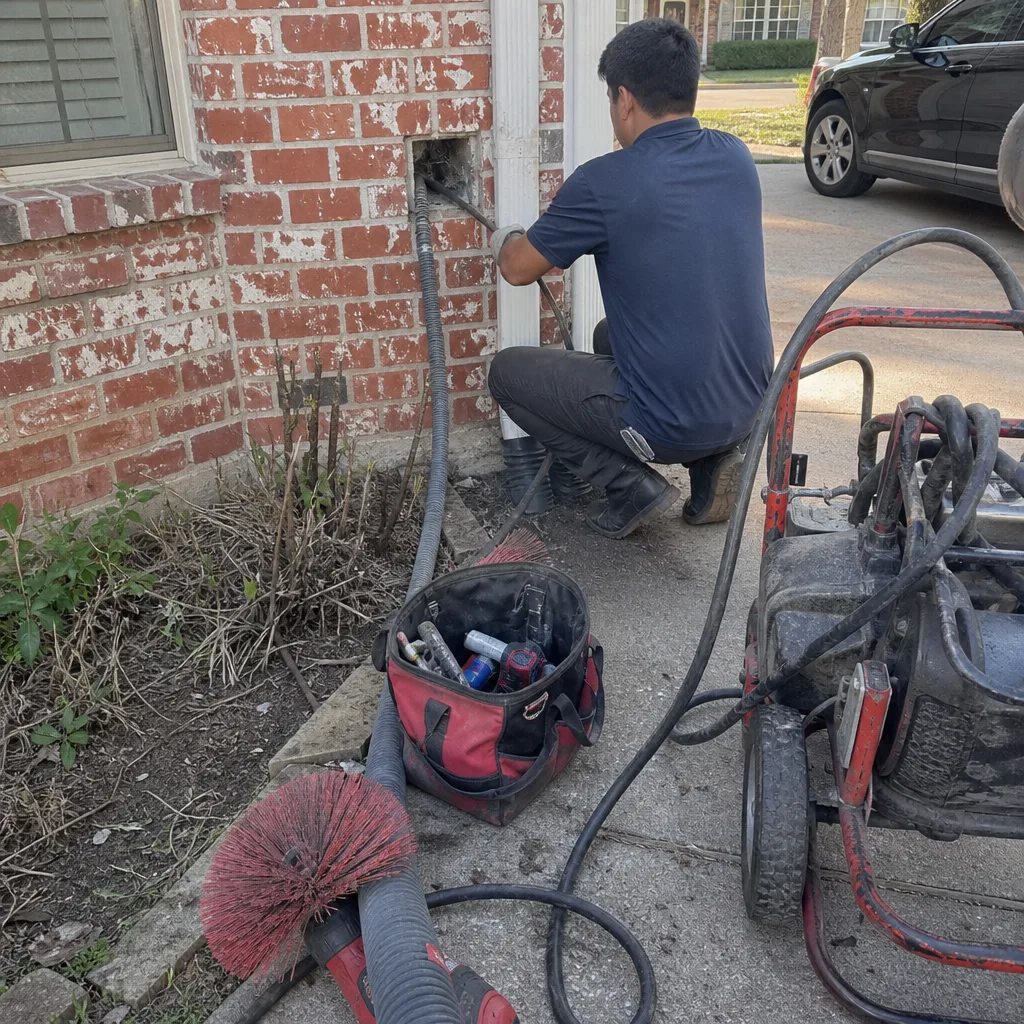 Before
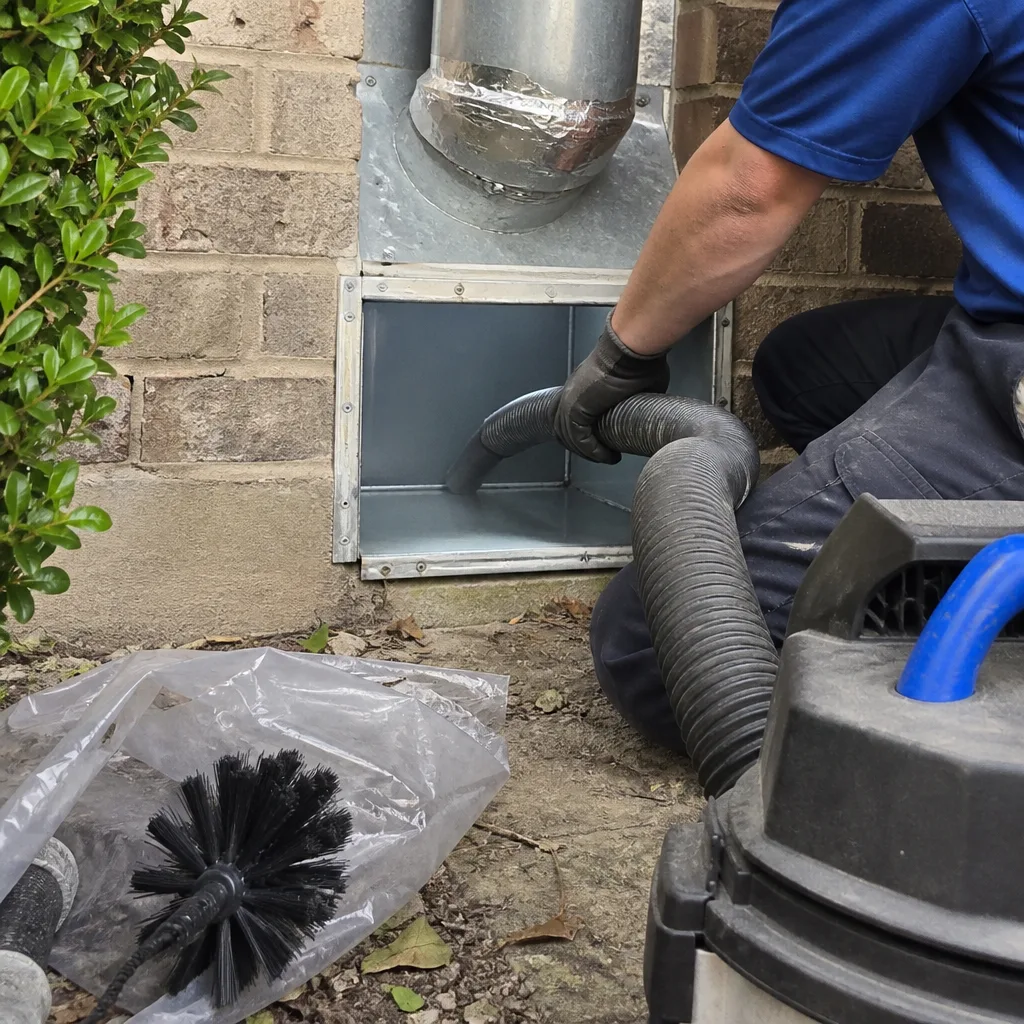 After
After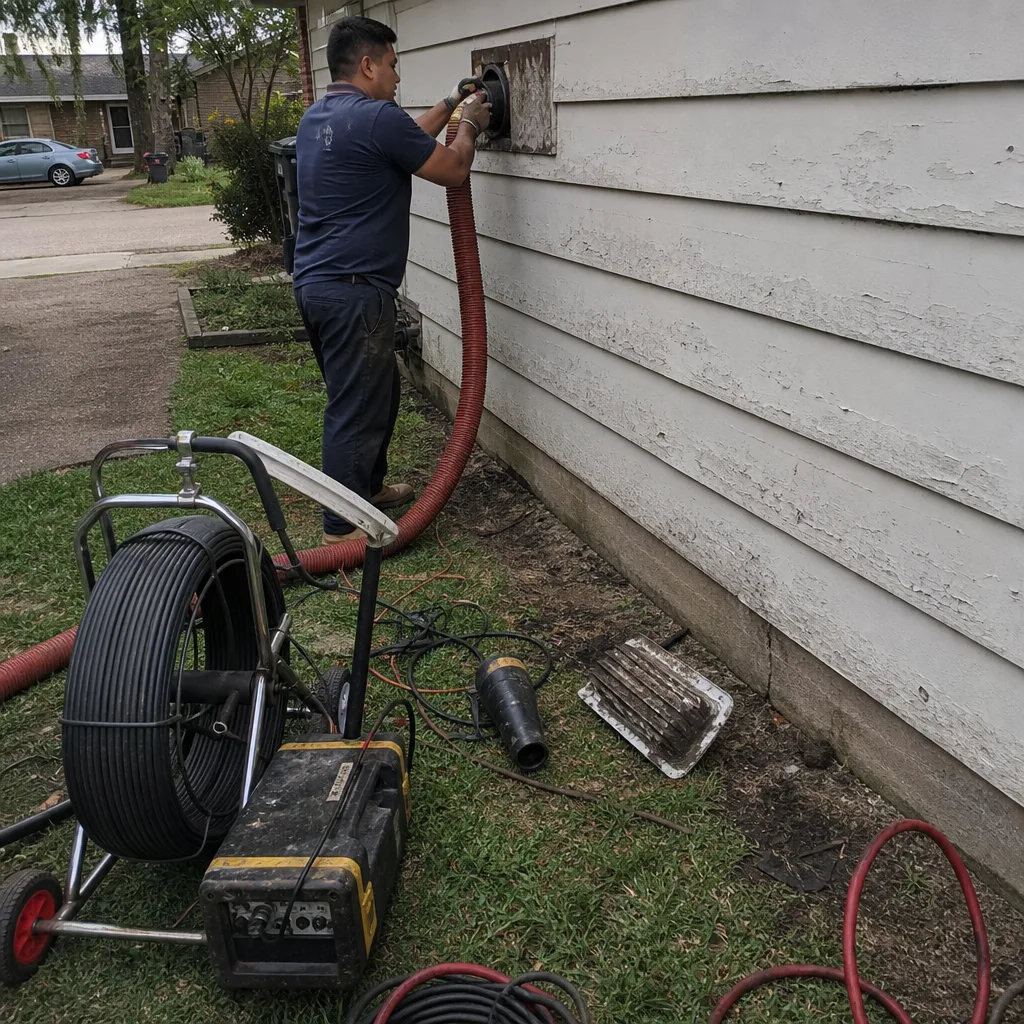 Before
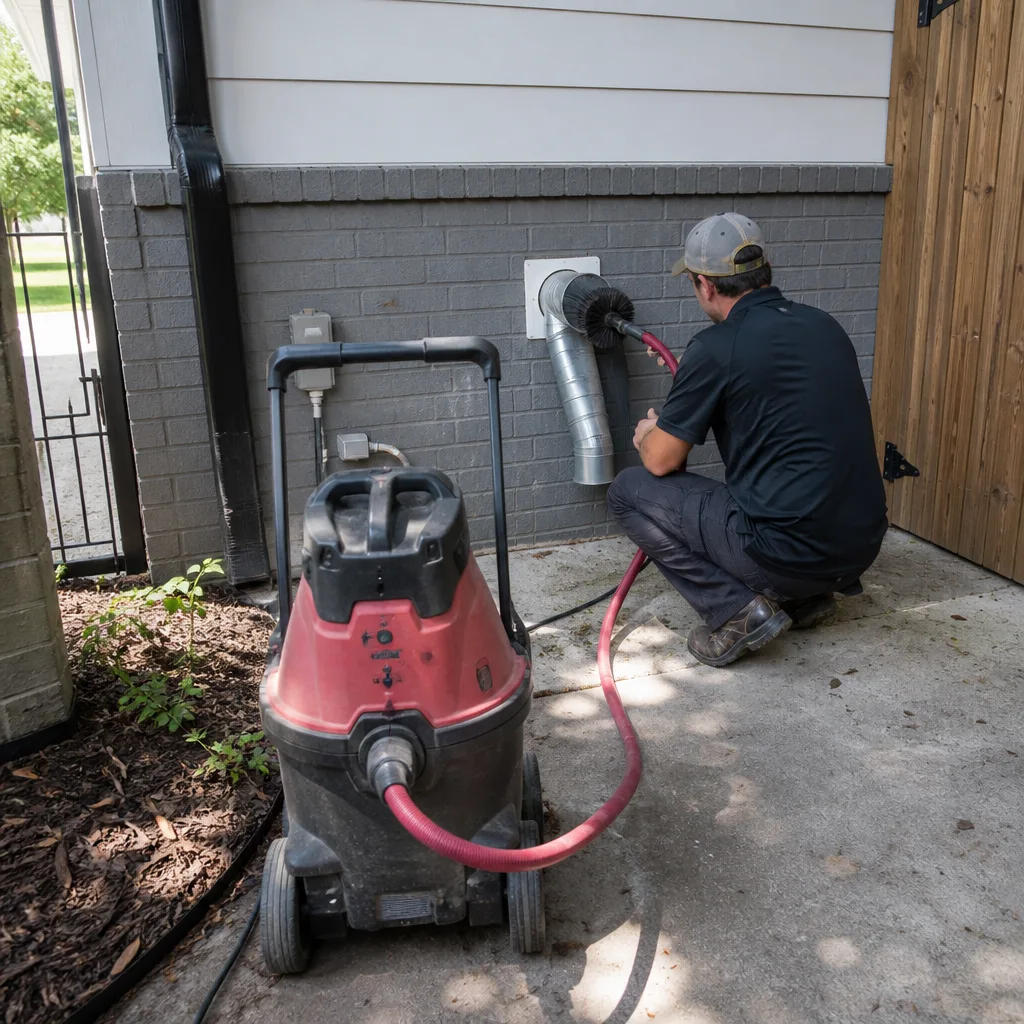 After
AfterAir Duct Cleaning Permits, Codes & Inspections in TX: What You Need to Know
Replacing a collapsed flex duct run without a mechanical permit in Houston is a code violation, and it becomes your problem as a homeowner if it’s discovered during a future home sale inspection. In twelve years of documented photo records across 52,000 Houston-area homes, we’ve found that roughly one in four duct cleaning jobs reveals damage requiring repair work that crosses the permit threshold. Most homeowners never learn this distinction until an appraiser flags unpermitted modifications in their attic. This guide-along with our The Complete Guide to Air Duct Cleaning in Houston-explains exactly where Texas mechanical code draws the line between maintenance and construction, what Houston’s permit process actually costs and how long it takes, and how to protect yourself from liability before a technician touches your first duct run.
Quick Answer
Air duct cleaning and inspection require no permit in Texas because they are classified as maintenance. However, duct repair, replacement, rerouting, or modification of any duct run requires a mechanical permit from the City of Houston Public Works and Engineering Department, and the work must be performed by a licensed mechanical contractor. If your duct cleaning reveals damage, the contractor performing repairs must pull the permit, not you.
Table of Contents
- Cleaning vs. Repair: Where Texas Code Draws the Line
- What Houston’s Permit Process Actually Looks Like
- How to Verify a Contractor’s License (And Why It Matters)
- What Happens When Unpermitted Work Is Discovered
- Documentation You Should Request From Your Contractor
- How Houston’s Climate Affects Duct Integrity and Code Enforcement
- Common Mistakes to Avoid
- When to Call a Professional
- Frequently Asked Questions
BeforeAfterCleaning vs. Repair: Where Texas Code Draws the Line
The Texas Mechanical Code, adopted by reference in Houston’s municipal code, makes a precise distinction that most homeowners never encounter until they’re already in a difficult position. Understanding this distinction before you hire anyone protects you from both code violations and liability.
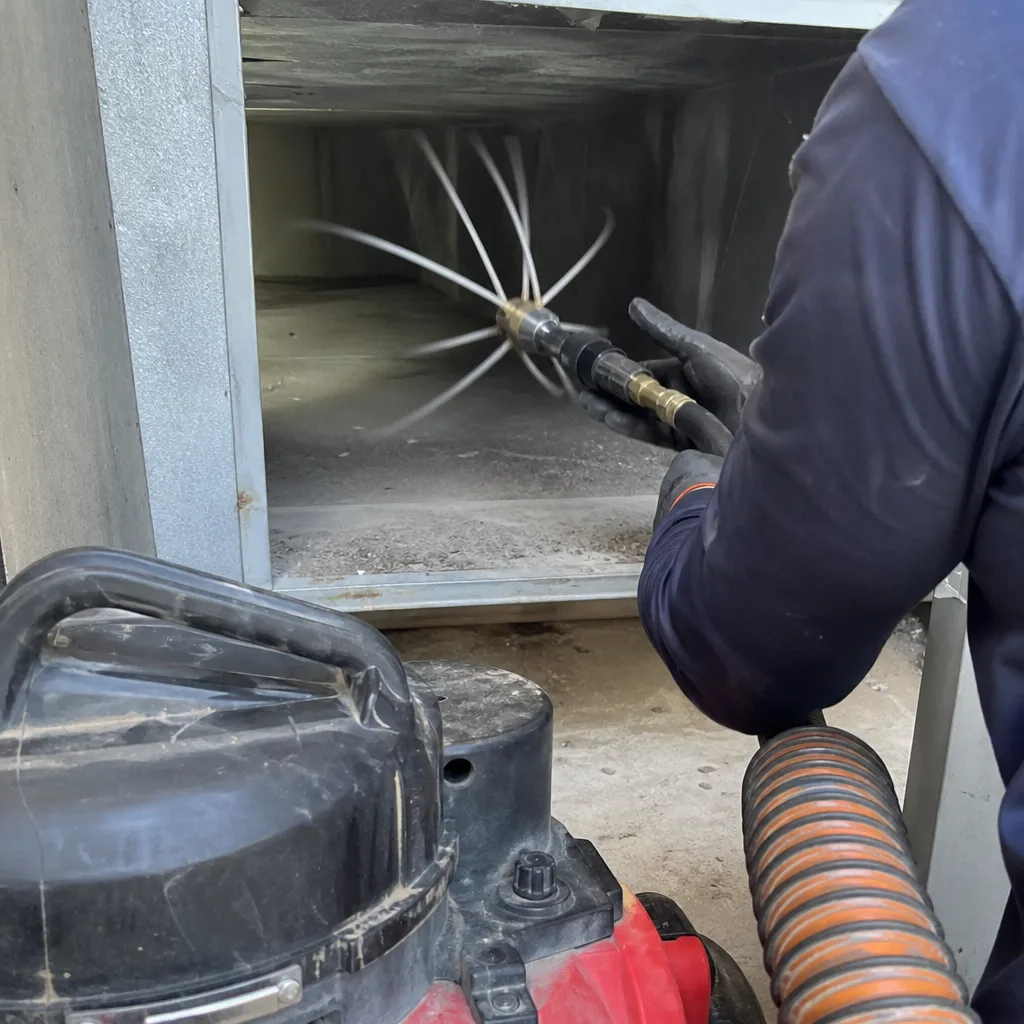
Maintenance work requires no permit. This category includes air duct cleaning, which the code defines as the removal of accumulated dust, debris, and contaminants from existing ductwork without altering the system’s configuration. It also includes visual inspection with cameras or scopes, filter replacement, and basic register cleaning. When CleanRun performs air duct cleaning in Houston, no permit is involved because we’re working within the existing system exactly as installed.
Construction work requires a mechanical permit. This is where homeowners get caught off guard. The moment a contractor cuts into a duct run, replaces a section of flex duct, reroutes supply lines, modifies a plenum (the central distribution box where air divides into individual runs), or installs new ductwork, they have crossed into permitted work territory. The City of Houston requires a mechanical permit for:
- Replacement of any portion of a duct run, even if matching the original size and material
- Rerouting of supply or return ducts to accommodate remodeling
- Modification of plenum connections or installation of new plenums
- Installation of new duct runs, even when extending an existing system
- Repair of collapsed, disconnected, or pest-damaged duct sections requiring material replacement
The critical detail: this permit requirement applies regardless of who performs the work. A handyman replacing a collapsed flex duct in your Memorial-area attic without a permit has created the same code violation as an unlicensed contractor doing identical work in Katy or The Woodlands. The permit attaches to the property, not the person, which means the violation becomes part of your home’s record.
In our experience across Houston neighborhoods from Bellaire to Cypress, the most common trigger for permit-required work is collapsed flex duct in attic spaces. Houston’s extreme attic temperatures, regularly exceeding 140°F in summer months, degrade flexible ductwork faster than in cooler climates. The insulation sags, the inner liner tears, and the duct collapses or disconnects entirely. Cleaning reveals the damage-something we detail in Air Duct Cleaning Warning Signs: A Houston Homeowner’s Reference Guide. Repair requires a permit. Most homeowners don’t learn this sequence until they’re staring at a repair estimate and a contractor who never mentioned permits.
What Houston’s Permit Process Actually Looks Like
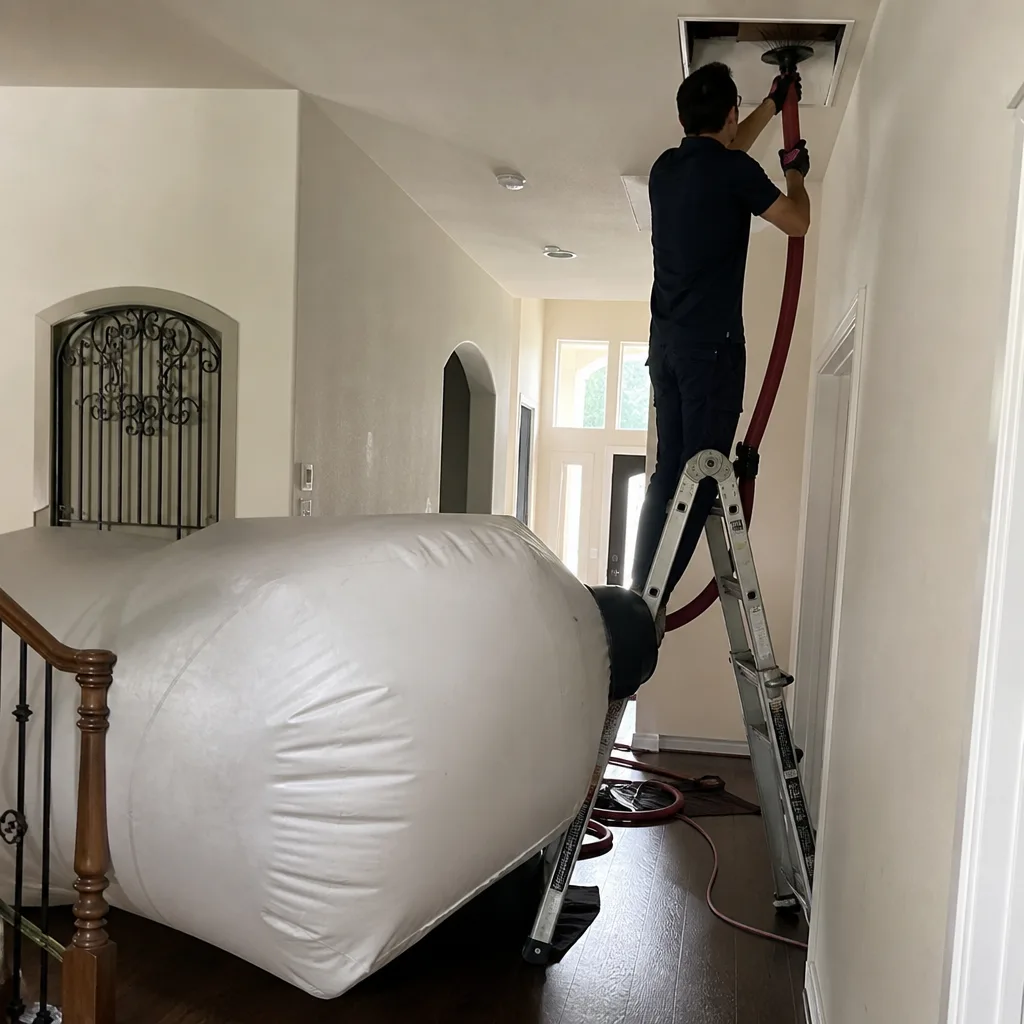
If your duct cleaning reveals damage requiring repair, understanding the actual permit process helps you evaluate whether a contractor is handling work properly or cutting corners that expose you to risk.
Step 1: Application by a licensed contractor. The City of Houston Public Works and Engineering Department requires mechanical permits to be pulled by a Texas-licensed Air Conditioning and Refrigeration Contractor (TACL), not by the homeowner. This is a key protection: if your duct cleaning company offers to “handle everything” but cannot produce a TACL number, they cannot legally pull the permit. At CleanRun, when our inspection with Rotobrush camera systems reveals damage requiring repair, we coordinate permit application through our licensed mechanical partners or advise you directly if the scope exceeds our service category.
Step 2: Plan review and fee payment. For residential duct repair work, Houston typically processes mechanical permits within 3-5 business days. Fees vary based on project valuation but generally fall between $150-$400 for standard residential duct repair or replacement. The contractor submits a scope of work describing which duct runs are affected, the repair methodology, and materials. Houston does not require engineered drawings for most residential duct repair, though commercial properties in areas like the Galleria or Downtown may face additional requirements.
Step 3: Inspection scheduling. Once the permit is issued, work can proceed. After completion, the contractor schedules a rough inspection (if required for the scope) and a final inspection with a City of Houston mechanical inspector. The inspector verifies that materials, sizing, and installation meet code requirements. For ductwork, this includes checking that flex duct is properly supported at maximum 4-foot intervals, that connections are sealed with mastic or approved tape (not standard duct tape, which fails under Houston’s temperature extremes), and that insulation R-values meet or exceed original specifications.
Step 4: Sign-off and record closure. Upon passing inspection, the permit receives final sign-off. This documentation should be provided to you as part of your permanent home records. It is the proof that work was performed to code, by a licensed professional, with municipal oversight.
Total timeline from discovery to closed permit: typically 1-2 weeks for straightforward residential repairs, longer if the City is backlogged or if additional corrections are required. Houston’s permit volume fluctuates with construction cycles; during peak building seasons, plan review can extend toward the upper end of that range.
How to Verify a Contractor’s License (And Why It Matters)
Texas maintains two license categories that matter for ductwork, and the difference determines whether your repair work can be performed legally. The Texas Department of Licensing and Regulation (TDLR) oversees both; verification takes under two minutes online and should be standard due diligence for any homeowner.
Texas Air Conditioning and Refrigeration Contractor License (TACL). This is the credential required to pull mechanical permits for duct repair, replacement, or modification in Houston. TACL holders have passed state examinations covering mechanical systems, load calculations, and code compliance. They carry required insurance and are subject to TDLR disciplinary action for violations. When a contractor provides a TACL number, verify it at tdlr.texas.gov - the number should match the business name on your estimate exactly.
General handyman or maintenance licenses. These do not authorize mechanical permit work. A contractor with a general business license, home improvement registration, or maintenance certification can legally clean your ducts. They cannot legally replace a collapsed duct run, modify your plenum, or install new supply lines. If they perform this work without a TACL-holding partner pulling permits, both they and you are exposed.
We’ve encountered this distinction in practice across Houston’s varied housing stock. In older neighborhoods like Heights and Montrose, where 1920s-1950s homes have been repeatedly modified, unlicensed “duct cleaners” frequently offer to “fix what they find” during service. The work is sometimes competent, sometimes dangerously inadequate, and always unpermitted. In newer construction in Sugar Land or Pearland, where original flex duct is failing under warranty periods, we’ve seen homeowners pay twice: once for unpermitted repair by an unqualified technician, then again for proper permitted work when the original failure recurs.
Haven Standard Clause 3, Verified Crews, requires that every CleanRun technician’s credentials be confirmed and documented. We publish our license status and encourage customers to verify independently. Any contractor unwilling to provide a TACL number for permit-required work should be declined.
What Happens When Unpermitted Work Is Discovered
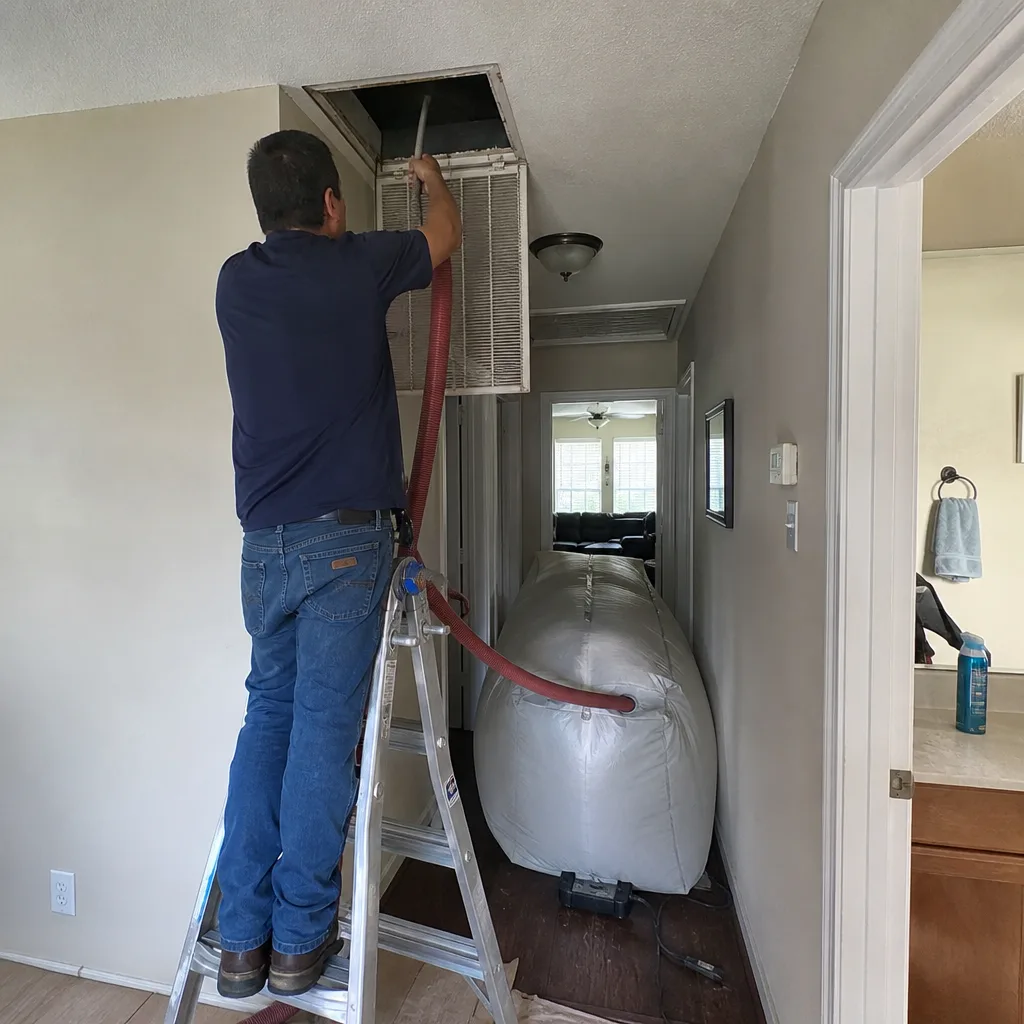
The consequences of unpermitted duct repair rarely appear immediately. They surface at the moments when documentation matters most: property transactions, insurance claims, and warranty disputes.
Home sale and refinance inspections. In Houston’s active real estate market, appraisers and buyer inspectors increasingly examine attic mechanical systems, particularly in homes built 2000-2015 where original flex duct is reaching end of useful life. When an inspector identifies new or repaired ductwork without corresponding permit records, it triggers a cascade: the work must be disclosed to buyers, the permit must be obtained retroactively (if possible), or the repair must be redone under proper permit. Retroactive permitting in Houston requires opening completed work for inspection, often at greater cost than original permitted work. In competitive markets, this discovery can delay closing or reduce sale price.
Insurance claim denials. If unpermitted ductwork contributes to a loss, such as water damage from a disconnected condensate line or fire from improperly sealed connections, insurers may deny coverage based on code violation exclusions. The homeowner bears repair costs that proper permitting would have prevented.
Warranty and manufacturer disputes. HVAC equipment manufacturers increasingly require proof of proper duct sizing and installation for warranty claims. Unpermitted modifications, even if functionally sound, lack the documentation manufacturers demand. A failed compressor under warranty can become a $3,000-$7,000 out-of-pocket expense.
We documented a case in Spring Branch where a homeowner’s 2019 duct “repair” by an unlicensed cleaner, performed without permit, was flagged during a 2023 refinance appraisal. The $400 original repair became a $2,100 re-permitting and re-inspection project, plus two weeks of delayed closing. The original contractor was unreachable. The homeowner’s recourse was small claims court against a dissolved business.
Documentation You Should Request From Your Contractor
Proper documentation transforms a service transaction into a protected home record. These are the specific documents CleanRun provides on every job, and what you should demand from any contractor performing work that crosses the permit threshold.
- Written scope and price before work begins. Haven Standard Clause 1 requires this on every CleanRun job. For permit-required work, the scope should explicitly state whether permits are required, who will obtain them, and whether permit fees are included in the quoted price or billed separately.
- Permit application copy with project address and scope. Once applied for, the contractor should provide a copy showing the City of Houston permit number, project address, and description of work. This document proves application, not just intent.
- Inspection sign-off documentation. After final inspection, request the signed inspection card or digital equivalent showing pass status, inspector identification, and date. This closes the permit record and should be stored with your home’s permanent files.
- Photo documentation of work performed. CleanRun’s Documented Photo Record, standard on every visit since 2013, shows the condition of every duct run before and after service. For repair work, request photos of the damaged section, the repair in progress, and the completed installation. These images support warranty claims and prove work was actually performed.
- Written warranty or guarantee. Our 365-Day Done Right Promise is provided in writing on every job. For permit-required repairs, the warranty should specify what is covered, for how long, and whether permit compliance is a condition of coverage.
- Contractor license verification. Record the TACL number, business name, and verification date. Screenshot the TDLR verification page. If a dispute arises, this documentation establishes who was responsible and whether they were qualified.
Store these documents with your home’s deed, insurance policies, and major appliance records. They represent your defense against future claims and your proof of proper maintenance for warranty and resale purposes.
How Houston’s Climate Affects Duct Integrity and Code Enforcement
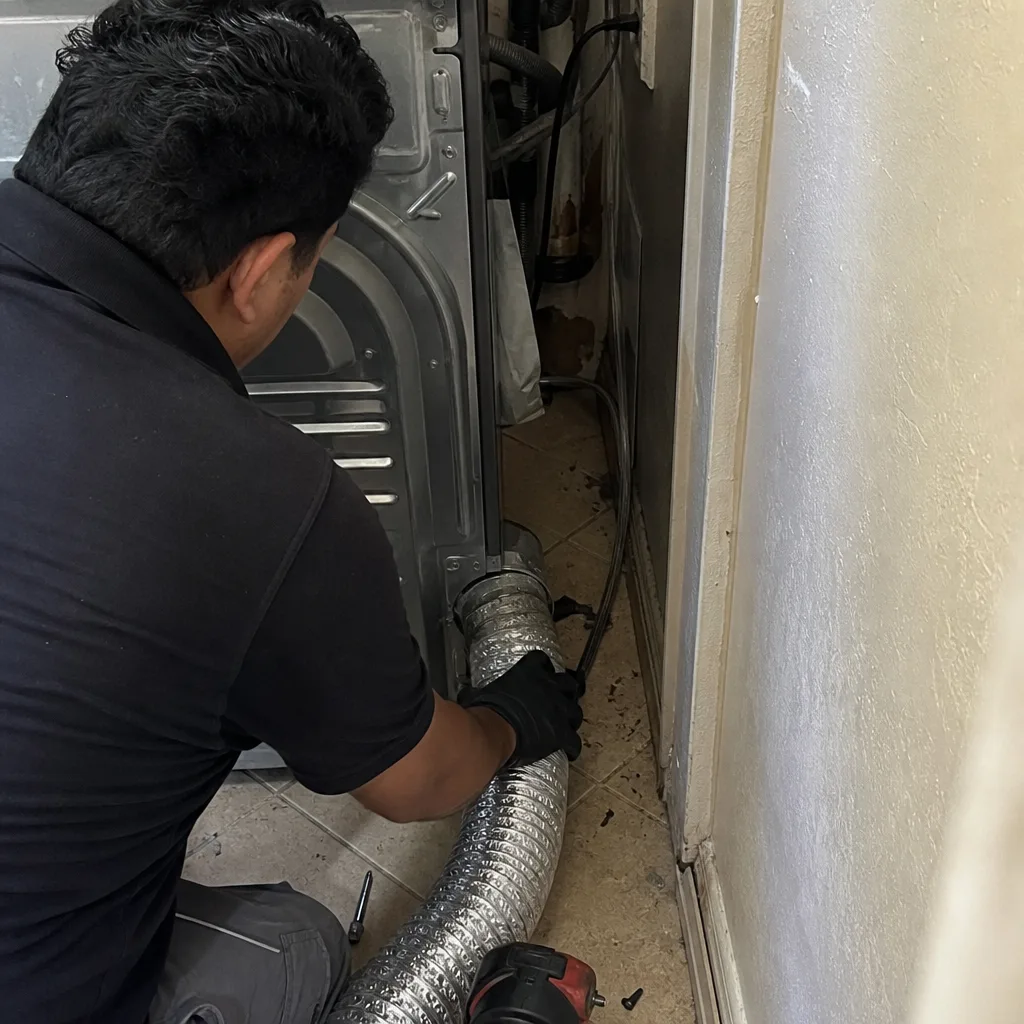
Houston’s specific environmental conditions create duct failure patterns that directly influence when cleaning reveals permit-required repair needs. Understanding these patterns helps homeowners anticipate problems and evaluate contractor recommendations.
Attic temperature extremes. Houston attics regularly reach 130-150°F in summer months, with humidity levels that accelerate flex duct deterioration. The inner polyethylene liner becomes brittle. The insulation compresses. The wire helix corrodes. We’ve photographed duct runs in West University and River Oaks where the inner liner has completely disintegrated, leaving only the insulation sleeve and outer vapor barrier, with conditioned air leaking into attic space for months or years before discovery.
High humidity and mold pressure. Houston’s Gulf Coast humidity creates condensation risks in ductwork that cooler climates rarely face. When insulation is compromised, cold supply air meets humid attic air, producing condensation that damages surrounding structure and promotes microbial growth. Code enforcement in Houston has tightened requirements for duct sealing and insulation integrity specifically because of this climate-driven failure mode.
Hurricane and flood history. Post-Harvey, Houston building inspectors have increased scrutiny of mechanical systems in flood-affected areas. Ductwork that was submerged or exposed to prolonged humidity, even if superficially functional, may require replacement under current code interpretations. We’ve encountered homes in Meyerland and Braeswood where “cleaning” revealed duct runs that had been underwater in 2017, with corrosion and contamination that made repair, not cleaning, the only viable option.
Soil movement and foundation stress. Houston’s gumbo clay soils shift dramatically with moisture, cracking slabs and stressing ductwork in slab-on-grade construction. Supply ducts embedded in or beneath slabs can separate or collapse. Accessing these runs often requires modification of the distribution system, triggering permit requirements even when the original installation was permitted decades earlier.
These climate factors mean Houston homeowners face duct repair needs earlier and more frequently than in milder regions. The permit threshold is crossed more often. The documentation requirements are more consequential. And the cost of non-compliance, in a market where home transactions are frequent and inspection standards are rising, is higher.
Common Mistakes to Avoid
- Assuming “duct cleaning” covers everything found during service. Many homeowners believe their cleaning quote includes “whatever needs doing.” It doesn’t. Cleaning is maintenance. Repair is construction. Clarify before work starts which category any recommended work falls into.
- Accepting verbal assurance that permits “aren’t needed for small jobs.” In Houston, there is no “small job” exemption for mechanical work. Replacement of a single 10-foot flex duct run requires the same permit as replacing an entire system. Any contractor who suggests otherwise is either uninformed or deliberately evading compliance.
- Failing to verify TACL status independently. Contractors occasionally present expired, borrowed, or fabricated license numbers. The two-minute TDLR verification protects against all three. We encourage every customer to perform this check.
- Not requesting permit documentation before final payment. Once you’ve paid in full, your leverage disappears. Structure payment to hold a portion until permit sign-off is complete and documentation is delivered.
- Discarding documentation after “minor” repairs. The repair that seems minor today becomes material during tomorrow’s sale. Permits, inspections, and warranties belong in your permanent home file, not your recycling bin.
- Hiring based on lowest cleaning price without understanding repair capabilities. The $79 coupon cleaner who discovers damage they cannot legally repair creates a forced second hire at premium rates. Understanding whether your initial contractor can coordinate proper permitted work, or whether you need a separate mechanical contractor, affects total project cost and timeline.
- Ignoring pest damage until cleaning reveals it. Houston’s rodent and insect pressure is severe. Raccoons, squirrels, and roof rats regularly damage attic ductwork. By the time cleaning reveals the damage, insulation contamination may require replacement that triggers permit requirements. Regular attic inspection, separate from duct cleaning, catches problems earlier.
When to Call a Professional
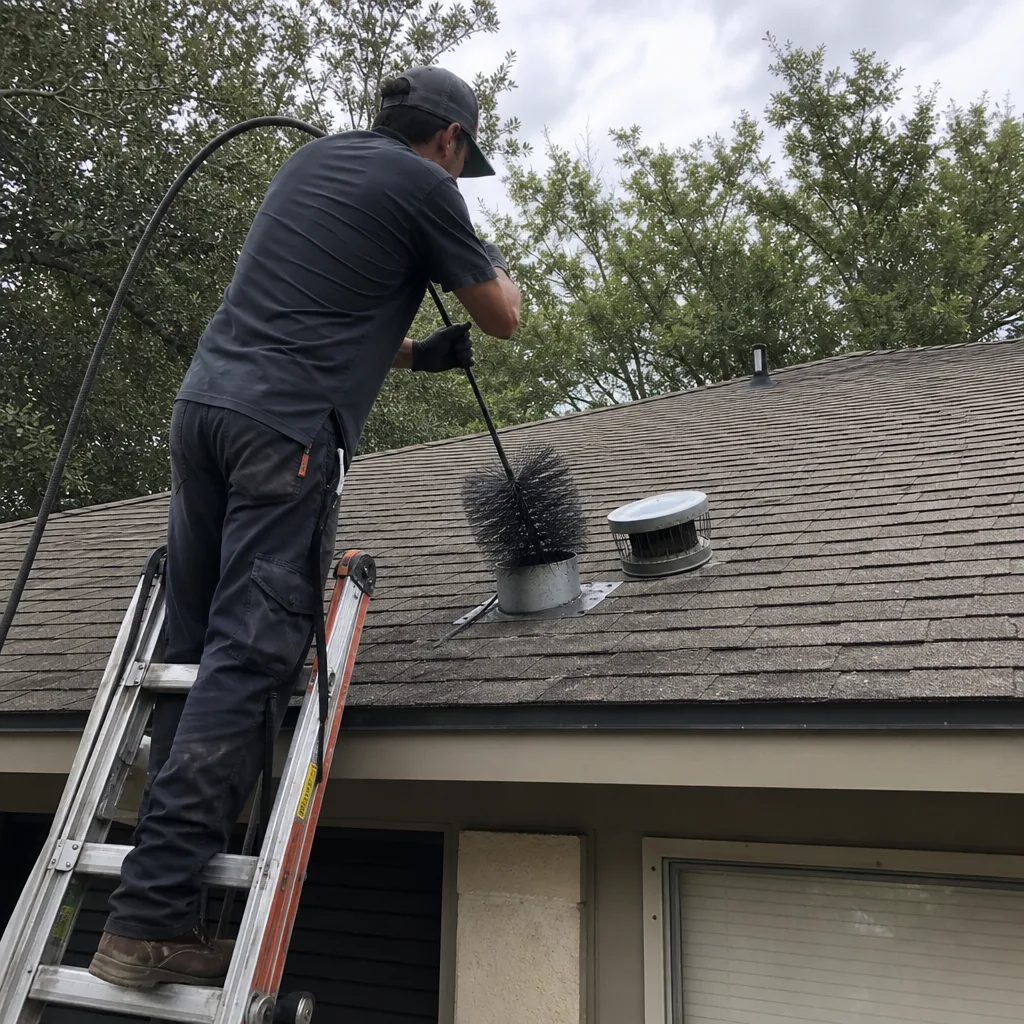
Contact a licensed mechanical contractor when your duct cleaning reveals collapsed, disconnected, or pest-damaged duct runs; when you observe temperature inconsistencies between rooms that suggest duct failure; or when you’re preparing to sell or refinance and need to verify that previous work was properly permitted. CleanRun Air Duct Cleaning Houston performs thorough inspection with documented photo records on every visit, and we coordinate with licensed mechanical partners when repair work crosses the permit threshold. We offer free estimates in Houston and a Free Second Opinion on any written estimate from another provider. Call (346) 251-8919 to schedule.
Frequently Asked Questions
No. Air duct cleaning is classified as maintenance under Texas Mechanical Code and requires no permit. The work involves removing accumulated debris from existing ductwork without altering system configuration, which is why CleanRun can perform air duct cleaning in Houston with written upfront pricing and no permit delays.
Residential mechanical permits for duct repair typically range from $150 to $400 depending on project valuation and scope. The fee is usually paid by the contractor and may be included in your repair quote or billed separately. Request clarity on this before authorizing work, and ask for the permit application copy with the project number.
Request a permit history search from the City of Houston Public Works and Engineering Department using your property address. Permits are public record. For work performed since approximately 2000, digital records are generally available. Older work may require manual archive search. If no permit exists for visible modifications, assume the work was unpermitted and evaluate whether retroactive permitting or re-work is advisable before a sale.
Technically yes, but practically no. Houston requires mechanical permits to be obtained by or under the supervision of a TACL-holding contractor. A homeowner pulling their own permit assumes full responsibility for code compliance and inspection passage, without the contractor’s expertise. Most reputable contractors will not perform work under a homeowner-pulled permit due to liability exposure. The standard and safer path is permit application by your licensed contractor.
Decline the repair and request a written scope identifying exactly what work is proposed. If the work involves replacement, rerouting, or modification of any duct run, inform the contractor that you require permit application by a TACL-licensed provider. If they cannot or will not comply, engage a licensed mechanical contractor separately. Document the interaction; if unpermitted work proceeds, you may need this record for future dispute resolution.
In Houston’s competitive real estate environment, buyers and their inspectors are increasingly thorough. Unpermitted mechanical work appears on disclosure forms, triggers buyer concern, and may require correction before closing or price reduction to compensate. In extreme cases, lenders may flag unpermitted work for additional review. The cost of proper permitting at time of repair is consistently lower than the cost of discovery during a transaction.
CleanRun specializes in air duct cleaning, dryer vent cleaning, HVAC cleaning, duct repair and sealing within our scope, and air quality services. When our inspection with Rotobrush and Nikro camera systems reveals damage requiring permitted mechanical work, we coordinate with licensed mechanical partners or advise you directly on engaging a properly credentialed contractor. Every job includes our Documented Photo Record and written scope under Haven Standard Clause 1, with the 365-Day Done Right Promise backing all work we perform.
The Bottom Line
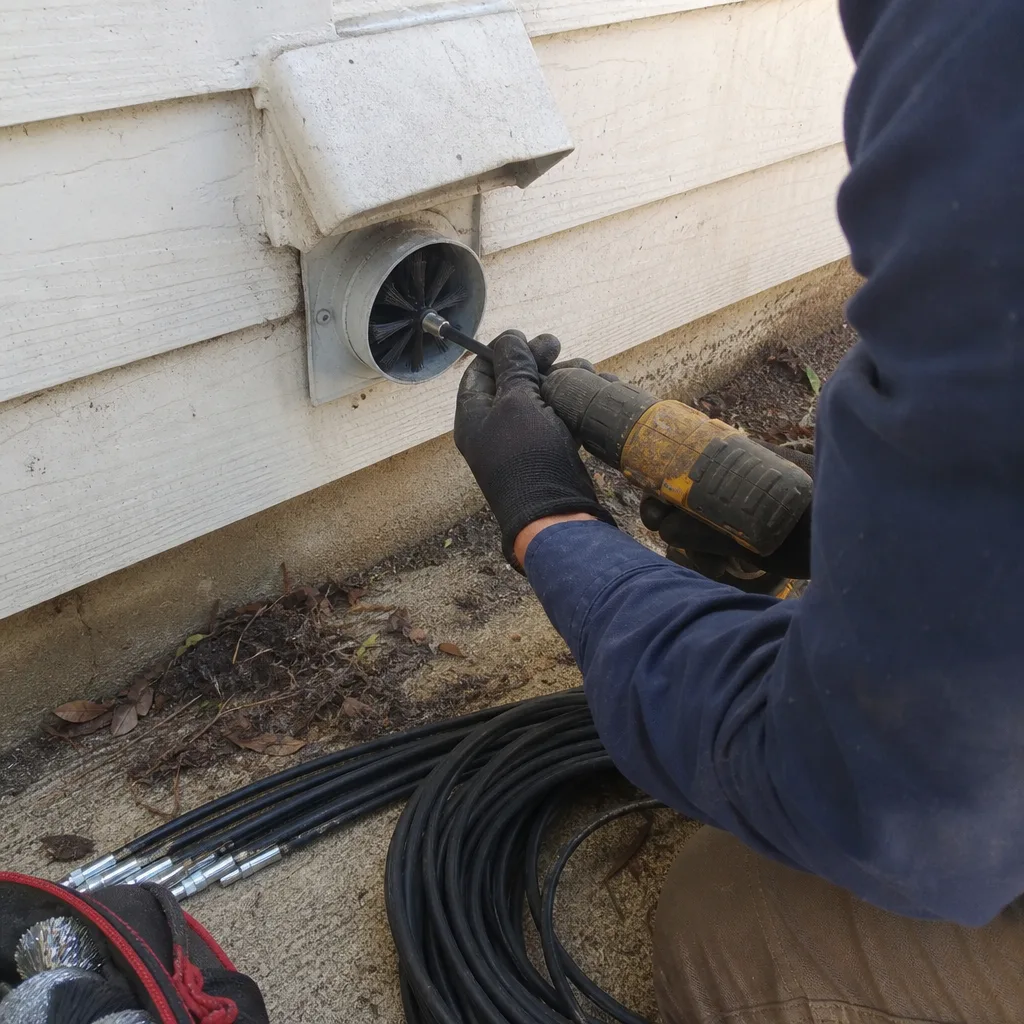
Our Air Duct Cleaning services require no permit in Texas, but the repair work they frequently reveal does, and the distinction determines whether your home maintains clean documentation or accumulates hidden liability. Houston’s climate accelerates duct failure. The city’s permit process is straightforward but mandatory. And the consequences of non-compliance surface at the worst possible moments: during sale, refinance, or insurance claims. Protect yourself by understanding where the line falls, verifying your contractor’s credentials independently, and demanding documentation that becomes part of your permanent home record. The cost of proper process is modest. The cost of its absence is unpredictable and often severe.
Written by Tomas Reyes, Owner at CleanRun Air Duct Cleaning Houston, serving Houston since 2013. Explore more guides & resources from our team.