
Last updated September 23, 2026
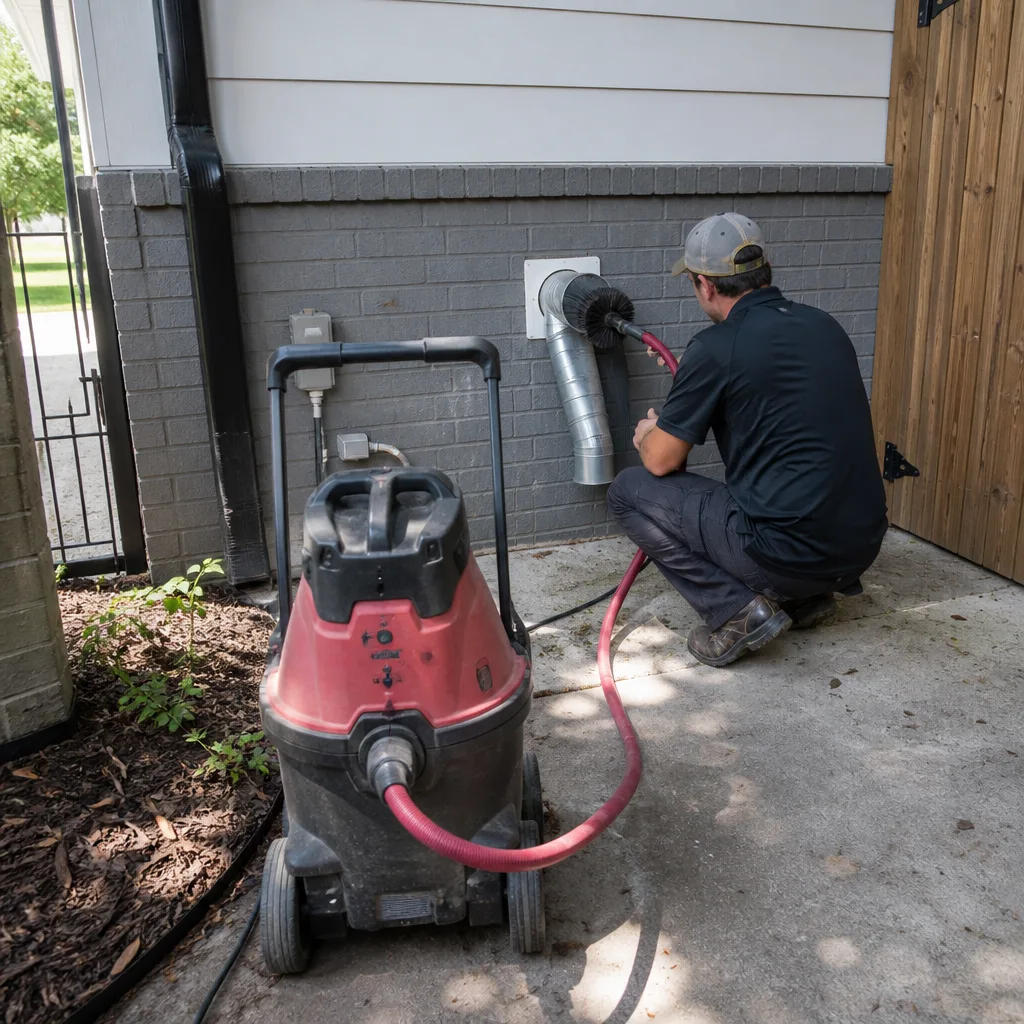
Whole-system duct and dryer vent check with before-and-after photos - you see exactly what came out of your vents
That "$99 whole-house special" is a bait ad - the real number appears once they are in your hallway, or the "clean" is a shop-vac at the register. We photograph the inside of your ducts before and after instead.
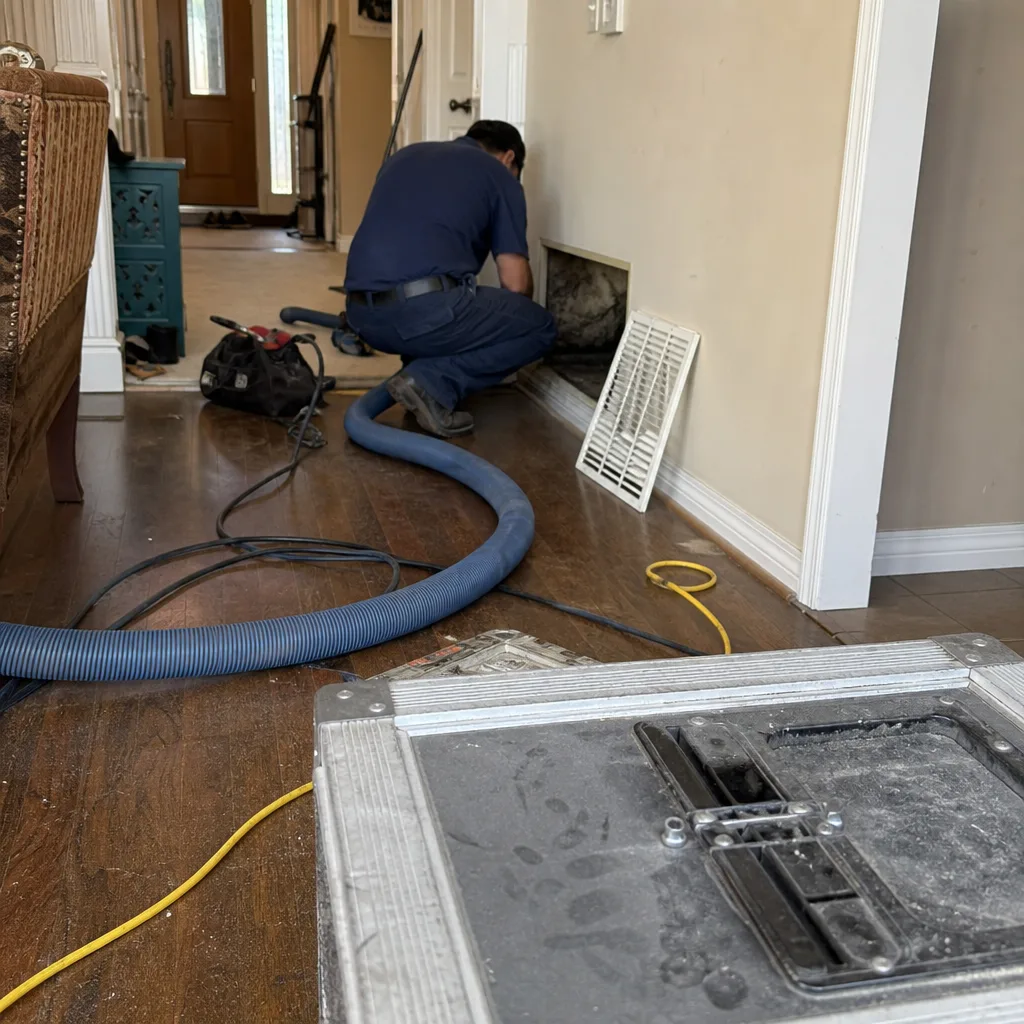 Before
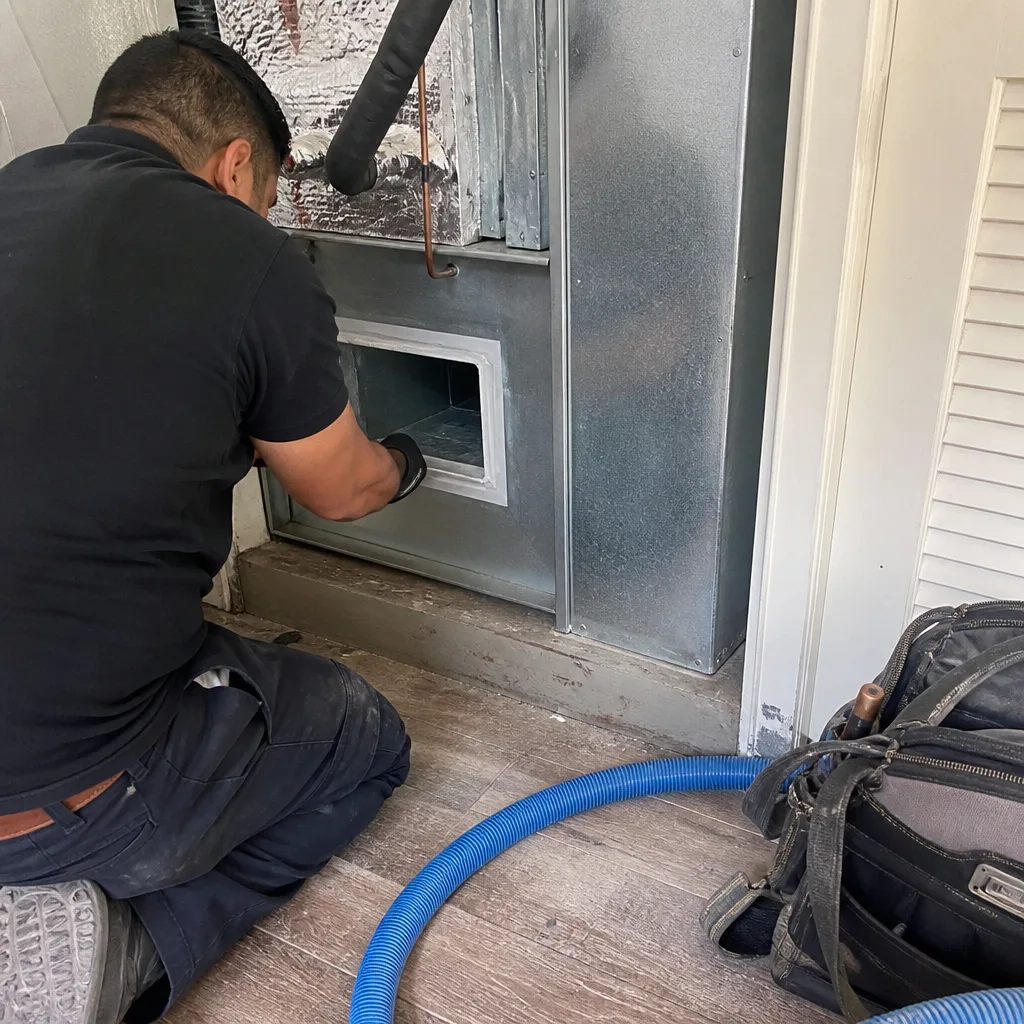 After
After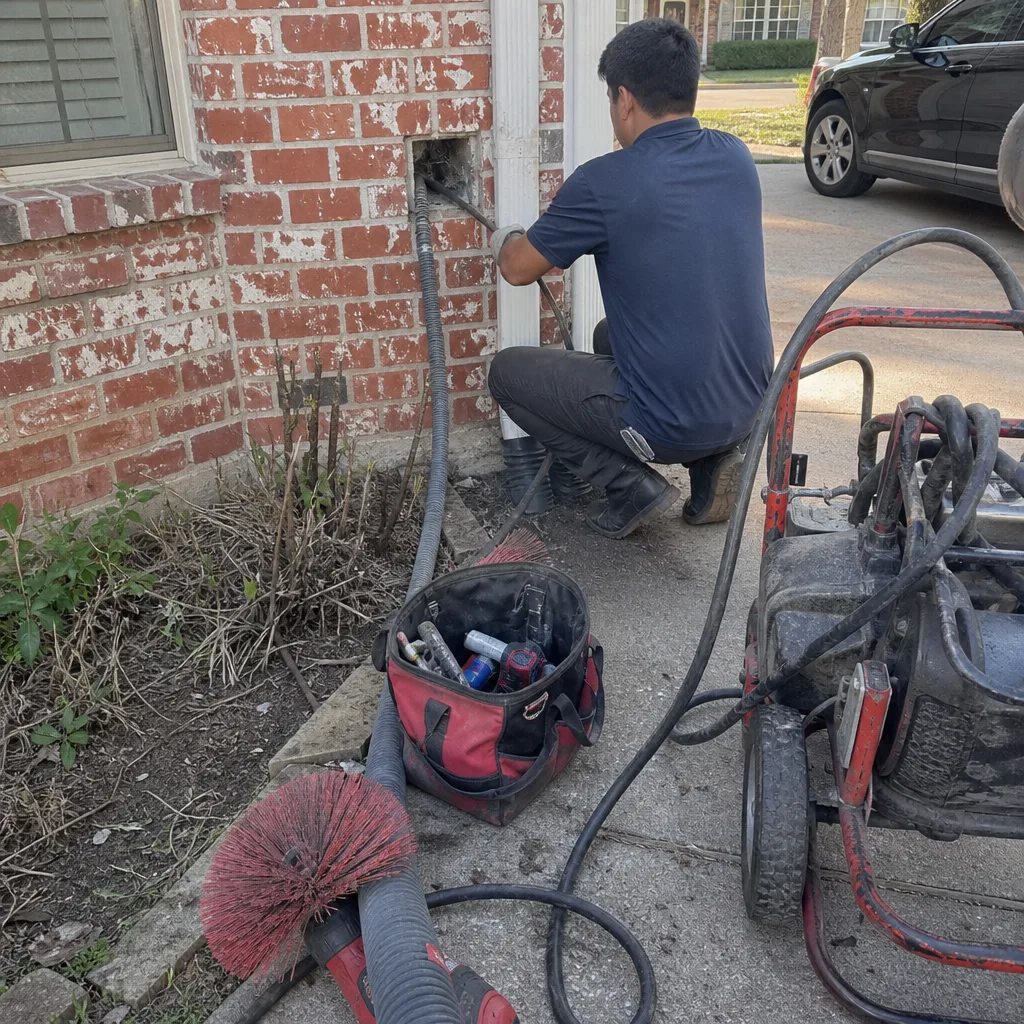 Before
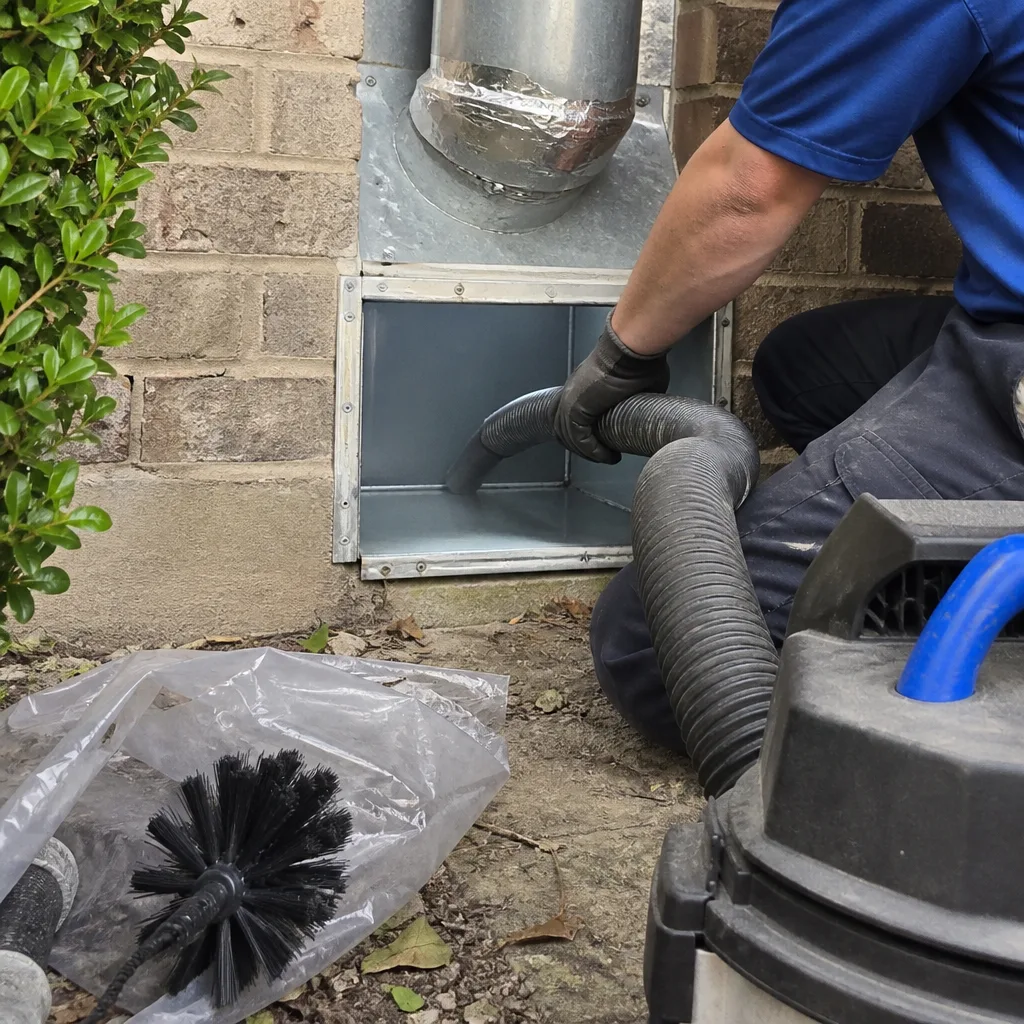 After
After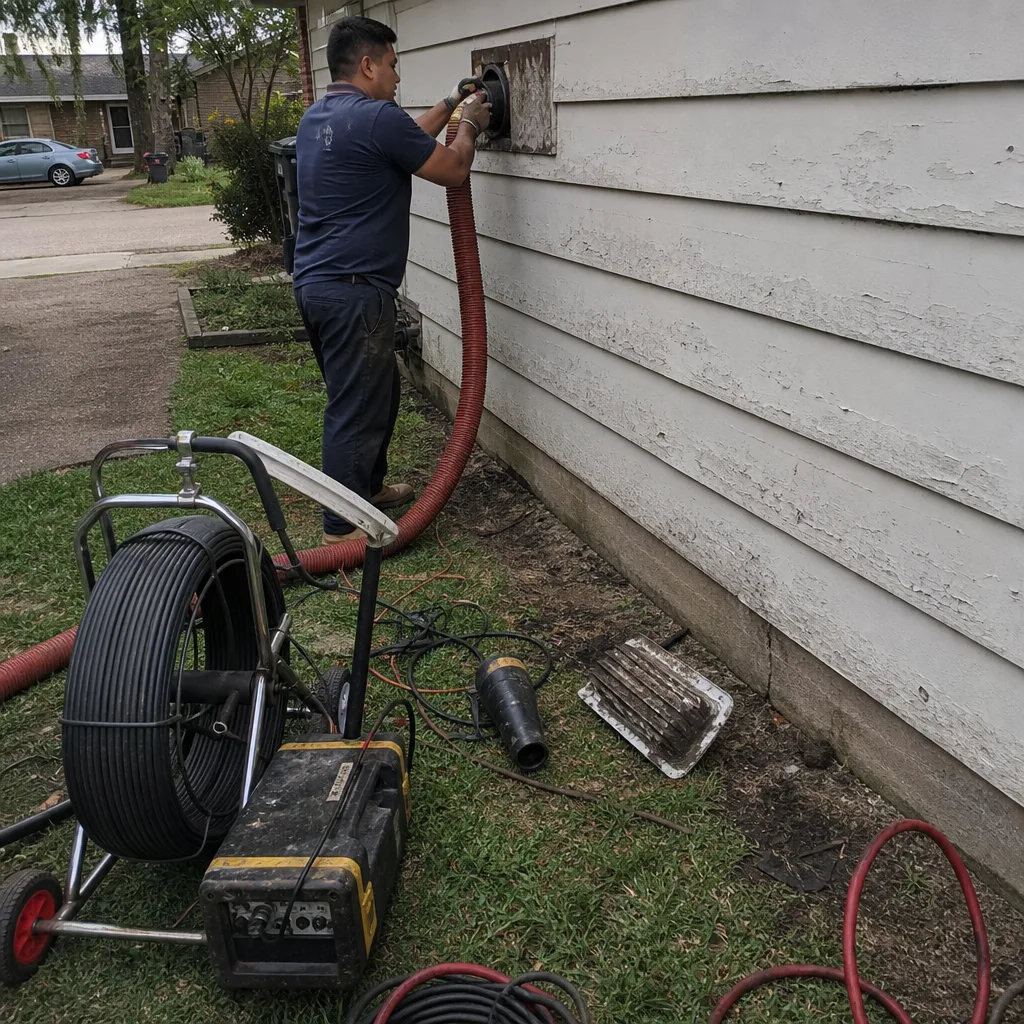 Before
 After
AfterAir Duct Cleaning Warning Signs: A Houston Homeowner’s Reference Guide
Visible dust puffing from a register when your AC kicks on is one of the least reliable indicators that your ducts need cleaning. In our experience across 52,000 Houston homes, that symptom usually means your filter is wrong for your system, not that your ductwork is contaminated. This guide replaces the recycled list you’ve seen on every other website - including our Complete Guide to Air Duct Cleaning in Houston - with what we’ve actually found inside Houston ductwork: the visual evidence, the climate-specific causes, and the symptoms that matter versus the ones contractors use to sell you a service you don’t need. You’ll learn how to document warning signs yourself, distinguish duct problems from equipment problems, and recognize when Houston’s humidity and flood history have made cleaning the wrong answer entirely.
Quick Answer
The most reliable warning signs that Houston ducts actually need Air Duct Cleaning services are: persistent debris visible at register openings after filter changes, reduced airflow at specific vents that doesn’t match the duct layout, and musty odors that originate from duct runs rather than the evaporator coil or drain pan. Most other common “warning signs” - visible dust from registers, uneven temperatures, or higher energy bills - typically indicate HVAC equipment issues, filter problems, or duct leakage, not contamination that cleaning will solve.
Table of Contents
- What the Camera Actually Shows: Three Types of Duct Contamination
- Register Dust vs. Filter Failure: The Most Misdiagnosed Symptom
- Musty Odors in Houston: Duct Problem or Coil Problem?
- Airflow Issues: Contamination vs. Leakage
- Post-Flood and Post-Storm Warning Signs in Houston
- How to Document Warning Signs Before Calling a Contractor
- When Cleaning Won’t Help: Replacement Scenarios
- Common Mistakes to Avoid
- When to Call a Professional
- Frequently Asked Questions
BeforeAfterWhat the Camera Actually Shows: Three Types of Duct Contamination
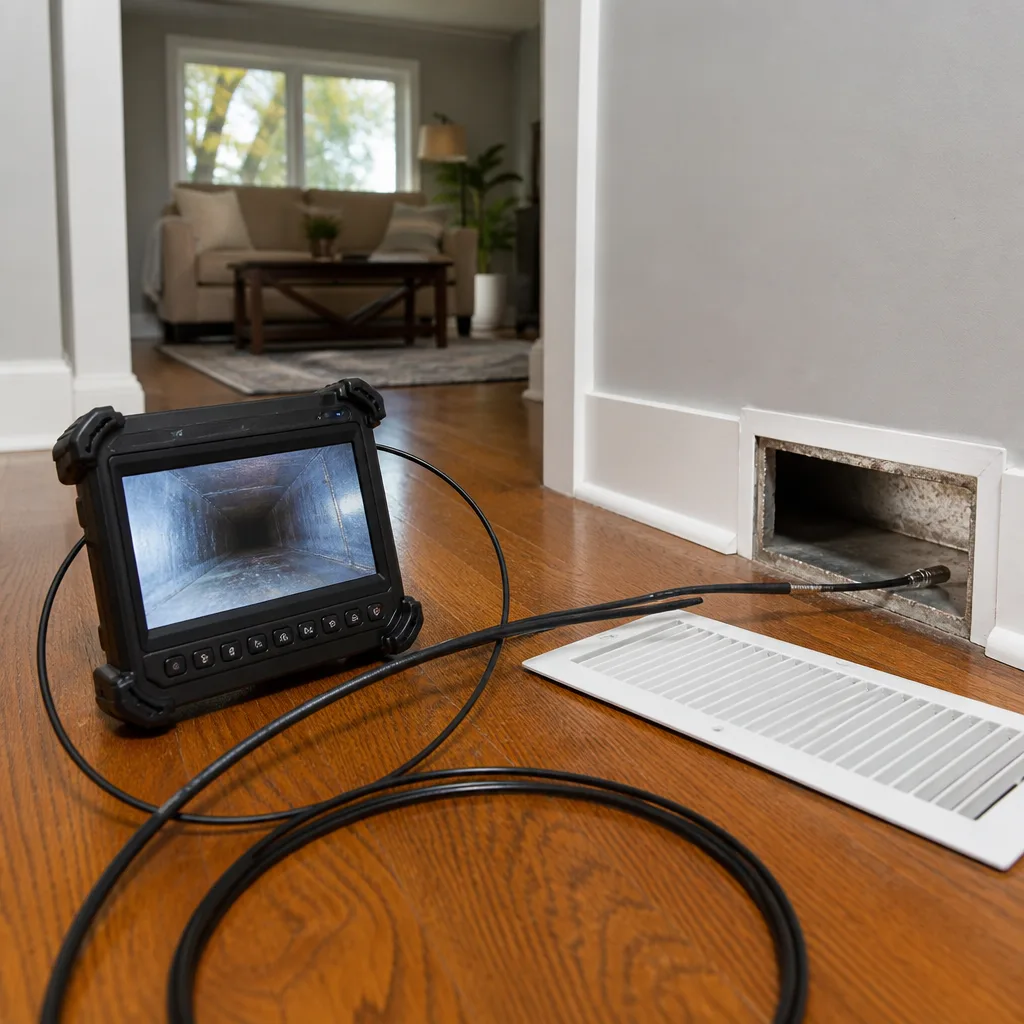
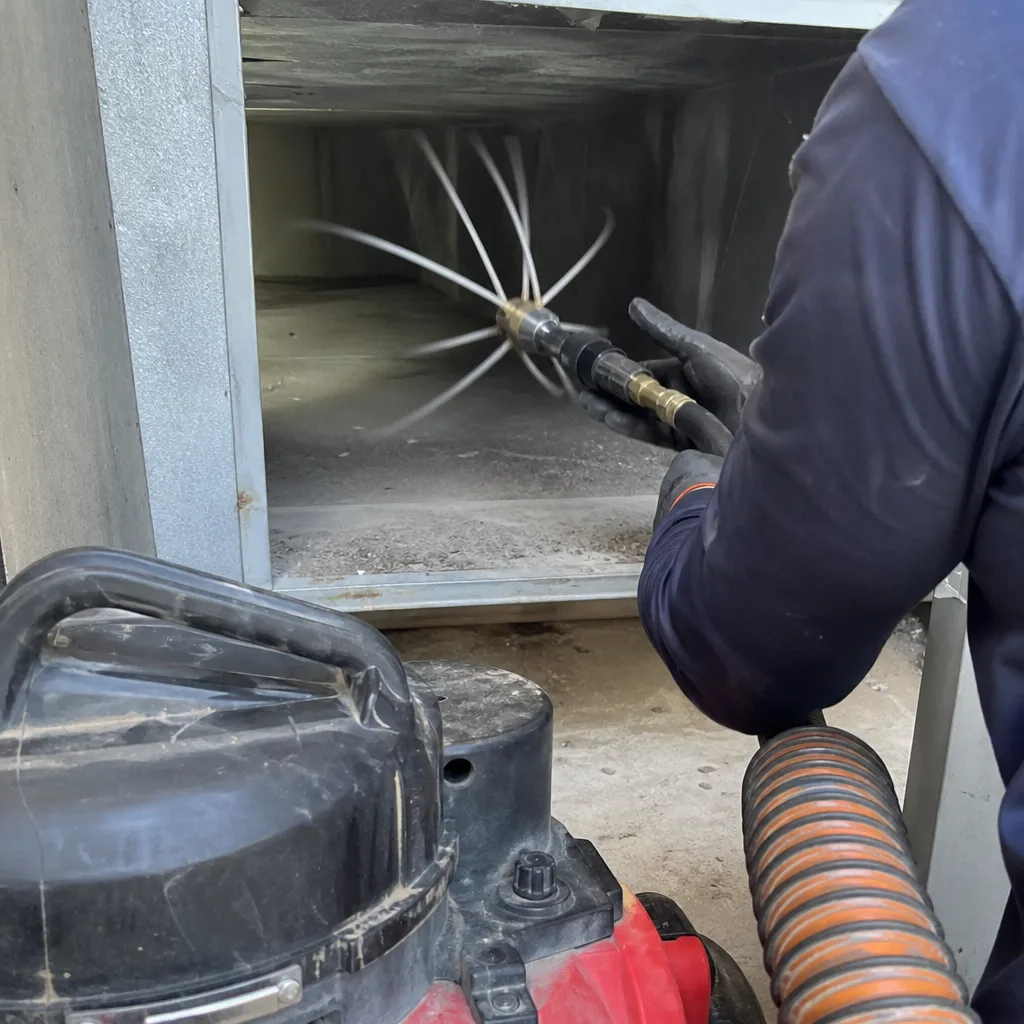
Every air duct cleaning in Houston we perform begins with a camera inspection, and after twelve years of documenting what we find, three distinct contamination patterns emerge. Each looks different on camera, each has different causes, and each requires a different response. Understanding these three types protects you from contractors who diagnose every duct system with the same solution.
Type 1: Normal Debris Accumulation
This is what most Houston homeowners picture when they think of dirty ducts: a layer of gray, fibrous dust coating the duct walls, typically 1/8 to 3/8 inch thick in homes built between 2015 and 2025. On camera, it looks like a uniform blanket, lighter in color toward the supply registers where air velocity is highest, and slightly thicker at elbows and transitions where air turbulence drops particles out of the airstream. This debris is primarily skin cells, textile fibers, and settled outdoor particulate that passed through the filter over years of normal operation.
In Houston’s climate, normal accumulation accelerates slightly compared to drier regions because higher indoor humidity keeps particles adhesive. But “slightly accelerated” does not mean “urgent.” A 3/8-inch layer in a 2018-built home in The Heights or Montrose is typically a 6- to 10-year accumulation, not a crisis. Cleaning removes it effectively, but it does not dramatically change system performance.
What the camera shows: uniform gray coating, no discoloration, no moisture sheen, no structural damage to the duct material.
Type 2: Microbial Growth Triggered by Humidity Infiltration
This is where Houston’s climate becomes the primary actor. Microbial growth appears on camera as dark spotting, streaking, or fuzzy colonies, typically greenish-black or brown, and almost always associated with a moisture source. The critical distinction: this is not “dirty ducts” in the normal sense. This is biological colonization of a wet surface, and cleaning alone is rarely the complete answer.
We’ve documented this pattern most frequently in homes near Buffalo Bayou and in the Energy Corridor, where seasonal flooding and high water tables create hydrostatic pressure against slab ductwork. It’s also common in second-floor systems in Sugar Land and Katy, where attic humidity infiltrates through poorly sealed plenum connections during Houston’s five-month cooling season.
On camera, microbial growth shows as irregular dark patches with defined edges, often following the direction of airflow moisture. The surface beneath may show corrosion on metal ducts or delamination on fiberglass-lined duct board. If you see this pattern, the moisture source must be identified and eliminated before or simultaneously with cleaning. Otherwise, the growth returns within one cooling season.
What the camera shows: irregular dark patches, possible surface degradation, moisture sheen, often localized to specific duct sections rather than system-wide.
Type 3: Rodent Nesting and Infiltration
Rodent contamination is immediately recognizable on camera and is the one type where cleaning alone is never sufficient. The visual evidence includes shredded insulation, seed caches, droppings, and urine staining. In Houston, roof rats and Norway rats are the primary culprits, with activity peaking in late summer and fall when attic temperatures drop slightly.
We’ve found active nesting most often in older Houston homes with mature tree canopy - River Oaks, West University, parts of the Museum District - where roof rats travel utility lines and enter through gaps as small as 3/4 inch. The nesting material itself is not the main problem. The problem is the biological contamination: hantavirus, leptospirosis, and salmonella are documented risks in rodent-occupied ductwork, and no amount of vacuum extraction fully sanitizes porous duct liner once it has absorbed urine.
What the camera shows: shredded material, droppings (typically 1/4 to 1/2 inch, rod-shaped), urine crystallization on metal surfaces, disturbed insulation. This finding triggers Haven Standard Clause 7: Contamination Protocol, which requires replacement of affected fiberglass components and full system sanitization with documented clearance testing.
Register Dust vs. Filter Failure: The Most Misdiagnosed Symptom
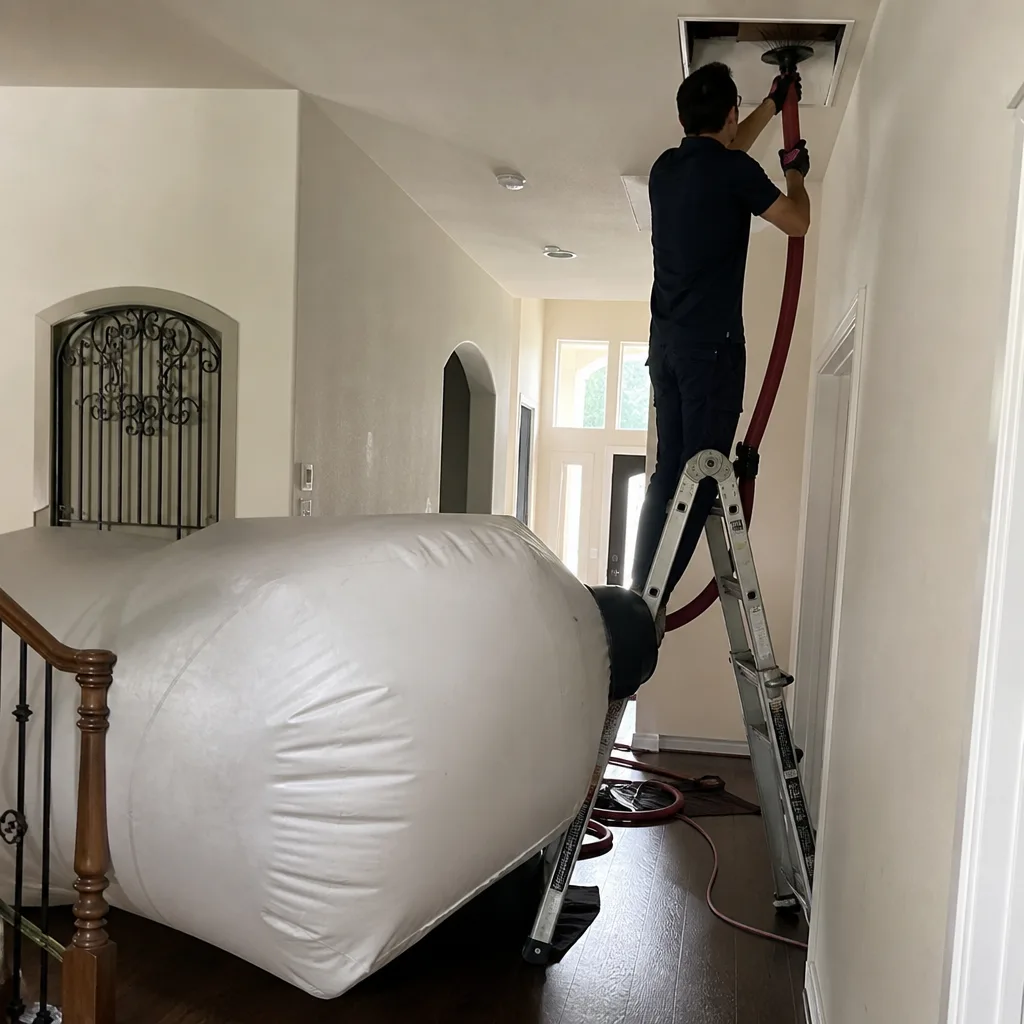
Visible dust puffing from a supply register when the blower cycles on is the symptom most commonly used to sell unnecessary duct cleaning. In our inspection records, this symptom correlates with actual duct contamination in roughly 15% of cases. The other 85% trace to filter issues that cleaning will not fix and may even obscure.
Here’s how to distinguish the two causes yourself.
- Check the filter fit. A filter that is too small for its housing, or a housing with a missing or damaged gasket, allows unfiltered air to bypass the media entirely. Hold your hand around the filter perimeter while the system runs. If you feel suction at the edges, air is bypassing the filter. In Houston, where pollen counts regularly exceed 8,000 grains per cubic meter during oak season, this bypass loads your ducts with outdoor particulate at rates far exceeding normal indoor generation.
- Check the filter MERV rating against your system. A MERV 13 filter in a system designed for MERV 8 creates excessive pressure drop, which can distort the filter media and create gaps, or strain the blower motor and reduce airflow to the point that dust settles in ducts rather than remaining airborne. We’ve seen this mismatch frequently in newer Houston construction, where builders install basic systems and homeowners upgrade to high-MERV filters without verifying compatibility.
- Check the return grille, not just the filter. The return path is where most contamination enters. A grille with clogged fins or a missing screen allows large debris to reach the filter face, where it forms an impenetrable mat that increases bypass or causes the filter to collapse. In Houston’s coastal environment, we’ve found return grilles clogged with Gulf moisture deposits that trap pollen and form a paste-like blockage.
- Perform the paper test. Hold a white sheet of paper 6 inches from the register when the system cycles on. If the dust is fine, uniform, and gray-white, it’s likely filter bypass. If it contains visible fibers, insect parts, or irregular particles, it may be duct debris being dislodged by airflow changes.
If the paper test shows fine, uniform dust and any of the filter issues above are present, replace the filter with the correct size and MERV rating, seal the housing with aluminum tape, and retest in two weeks. If the symptom persists, then a camera inspection is warranted. We’ve saved Houston homeowners significant expense by catching filter failures before they paid for unnecessary cleaning - a topic we explore further in our DIY vs Professional Air Duct Cleaning guide.
The documented photo record we provide on every CleanRun Air Duct Cleaning Houston home visit includes register close-ups precisely so customers can compare before-and-after filter corrections versus actual duct contamination.
Musty Odors in Houston: Duct Problem or Coil Problem?
Musty odor when the AC starts is the second most common “duct cleaning” sales trigger, and in Houston, it’s wrong approximately 80% of the time. The confusion is understandable: the odor travels through the ducts, so the ducts seem like the source. But the actual source is almost always the evaporator coil, the drain pan, or the plenum immediately downstream of the coil - all HVAC equipment components, not ductwork.
Houston’s climate makes this misdiagnosis particularly common. Our cooling season runs from April through October, with dew points above 70°F for months at a time. The evaporator coil operates continuously at temperatures below the dew point, creating a perpetually wet surface that supports microbial growth. The drain pan, if not properly sloped or if partially clogged with algae, holds standing water that produces exactly the musty odor homeowners attribute to “dirty ducts.”
How to Distinguish Coil Odor from Duct Odor
- Timing: Coil-related odor appears within 30-60 seconds of blower startup, then diminishes as the coil surface dries slightly during continuous operation. Duct-related odor, if from microbial growth, is more consistent throughout the cooling cycle.
- Location: Coil odor is strongest at registers closest to the air handler, typically the first one or two on the main trunk. Duct odor from contamination is more likely at distant registers or registers on specific branches with known moisture issues.
- Seasonality: Coil odor typically worsens in shoulder seasons (April, May, September, October) when the system cycles on and off frequently, allowing the coil to stay wet between cycles. True duct contamination odor is more constant year-round.
- Visual check: Remove the air handler access panel and inspect the coil face and drain pan with a flashlight. Visible biofilm on the coil - a slimy, dark coating - confirms the source. The coil itself requires professional cleaning, not duct cleaning.
We perform coil inspection as part of our standard HVAC Cleaning in Houston service, and we document the finding with photographs before recommending any scope of work. Haven Standard Clause 1 requires written pricing before work begins, so if the coil is the source, you’ll know the exact cost of coil cleaning versus duct cleaning before either begins.
The equipment we use for coil cleaning includes professional-grade foaming systems from Abatement Technologies and Guardsman, with documented before-and-after photos of the coil face and drain pan included in your job record.
Airflow Issues: Contamination vs. Leakage
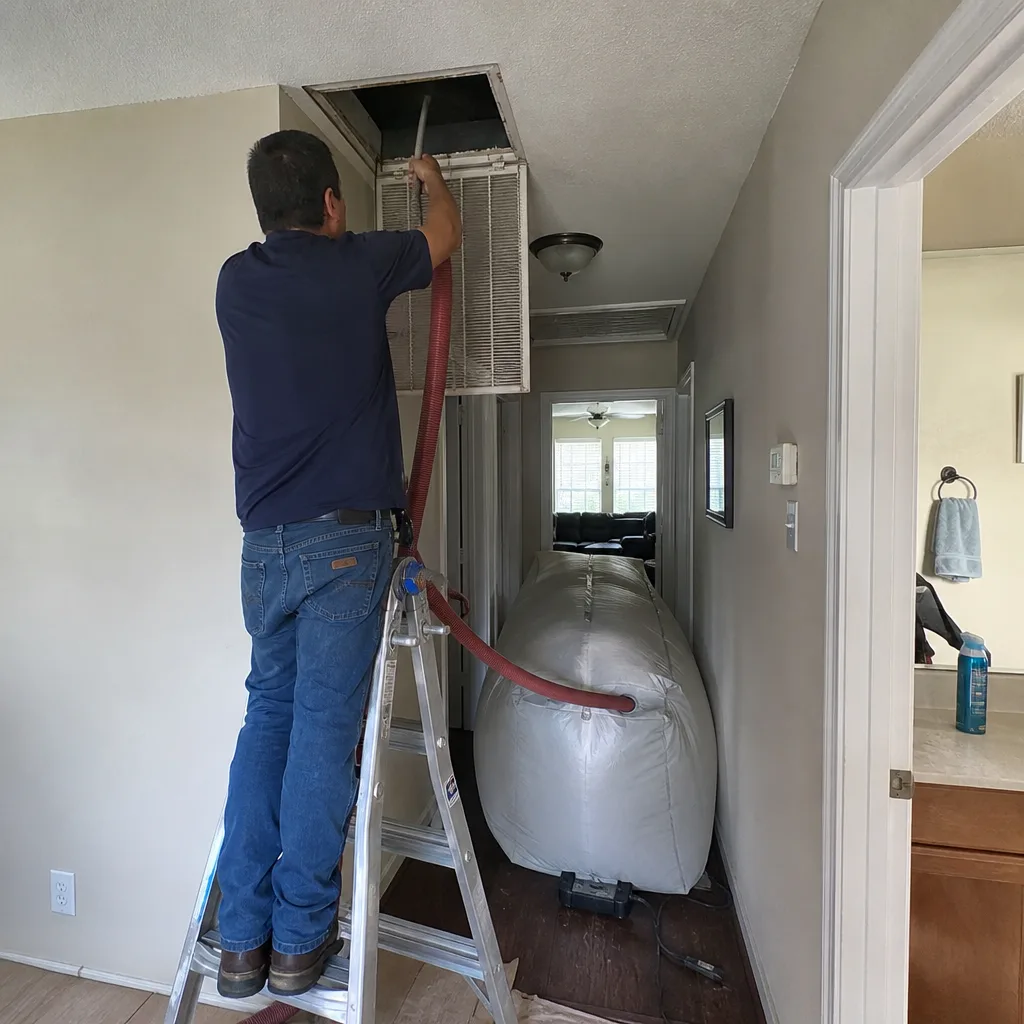
Reduced airflow at specific registers is a legitimate warning sign, but the cause is more often duct leakage than duct contamination. Understanding the difference prevents paying for cleaning when sealing is the actual need.
Duct contamination reduces airflow gradually and partially. A 3/8-inch debris layer narrows the effective duct diameter slightly, but the reduction is distributed across the entire system. You might notice slightly longer cooling cycles or marginally less air at all registers, not a dramatic drop at one location.
Duct leakage creates sharp, localized airflow reductions. A disconnected duct run in an attic can drop airflow at a single register by 50% or more. A leaking return duct in a hot attic draws 140°F air into the system, reducing both airflow and cooling capacity at specific zones. These are mechanical failures, not contamination issues, and they require repair or sealing, not cleaning.
The Register Test You Can Perform
- Close all interior doors and run the system for 15 minutes on continuous fan.
- Hold a tissue or light ribbon at each register. Note which registers show weak airflow compared to others on the same system.
- Check the pattern: weak airflow at all upstairs registers but normal downstairs suggests a trunk line issue, not contamination. Weak airflow at a single register on a branch with normal neighbors suggests a disconnected or crushed duct run.
- Check the temperature: air from a leaking return duct will be noticeably warmer than properly ducted registers in cooling mode. A 10-15°F difference indicates attic air infiltration.
In Houston’s market, duct leakage is particularly common in homes built during the 2015-2020 construction boom, where speed of installation sometimes compromised sealing at connections. We’ve found leakage rates exceeding 30% in newer construction in Cypress, Spring, and Pearland - leakage that no amount of duct cleaning addresses.
CleanRun’s documented photo record includes pressure-differential testing when airflow issues are reported, so the actual cause is identified before any work is priced. Our Air Duct Cleaning in Houston service includes repair and sealing as separate, clearly priced options when leakage is the finding.
Post-Flood and Post-Storm Warning Signs in Houston
Houston’s flood history - Harvey in 2017, Imelda in 2019, the Memorial Day and Tax Day floods, and countless localized events - creates warning signs that do not appear on generic duct cleaning checklists. These signs indicate not contamination but structural damage, and they require replacement, not cleaning.
Fiberglass Duct Liner Saturation
Many Houston homes, particularly those built before 2010 and some newer homes using budget duct board, have fiberglass-lined ductwork. When floodwater or even significant roof leakage reaches these ducts, the fiberglass acts as a wick, drawing moisture deep into the material. The warning signs appear days or weeks after visible water recedes:
- A persistent “wet dog” odor that does not diminish with system operation
- Visible staining on ceiling or wall registers, particularly in low points of the duct system
- Debris that appears clumped or mud-like on camera inspection, rather than the uniform dust layer of normal accumulation
- Register surfaces that feel cool and damp to the touch during cooling operation, indicating evaporative moisture from saturated duct material
Once fiberglass liner has absorbed floodwater, it cannot be effectively cleaned. The material is porous, and floodwater carries contaminants - sewage, chemicals, petroleum products in Houston’s industrial corridor - that cannot be extracted or neutralized. Replacement of affected duct sections is the only correct answer, and any contractor recommending cleaning in this scenario is either uninformed or deliberately selling an ineffective service.
Metal Duct Corrosion
Galvanized steel ducts in slab or crawl space installations can corrode after prolonged contact with floodwater or even high groundwater. The warning sign is rust-colored debris at registers, or a metallic odor when the system runs. Camera inspection shows flaking rust and possible pinhole leaks. Cleaning removes the rust debris temporarily, but the structural integrity is compromised. Replacement or lining is required.
Post-Storm Attic Intrusion
Even without flooding, Houston’s severe storms damage roof decking and soffit vents, allowing rainwater directly into attic ductwork. The warning sign is sudden onset of register staining or odor after a specific storm event, with no prior history. Camera inspection typically shows water marks and debris patterns that correlate with the leak path. The repair is roof repair plus duct repair or replacement of affected sections - cleaning alone is inappropriate.
Our 365-Day Done Right Promise applies specifically to these scenarios: if we perform cleaning and subsequent inspection reveals that replacement was actually required, we apply the cleaning cost toward the replacement scope. This is a written guarantee, not a policy subject to manager approval.
How to Document Warning Signs Before Calling a Contractor
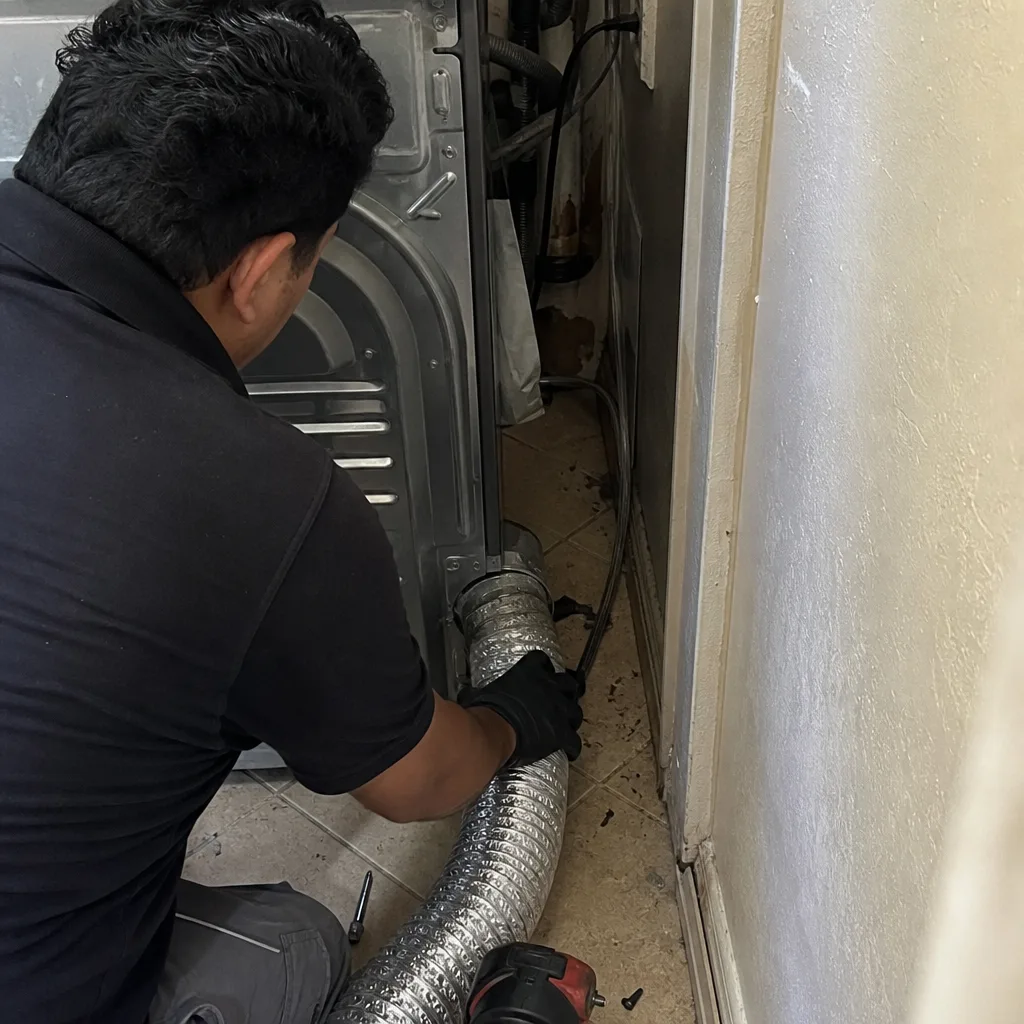
The most effective protection against overselling is your own documentation. Before calling any contractor, including CleanRun Air Duct Cleaning Houston home, create a record that establishes baseline conditions and prevents scope creep.
Step 1: Photograph the Registers
Remove each register and photograph the duct opening with your phone’s flash on. Capture the full circumference of the duct, the register face, and the surrounding ceiling or wall. Date each photo. These images establish the visible condition before any contractor’s camera shows you “their” findings.
Step 2: Measure and Record Airflow
Hold a tissue at each register with the system on continuous fan. Note which registers show strong, moderate, or weak airflow. Photograph the tissue position for reference. This simple test creates a map that any legitimate contractor can use to target inspection, and that exposes contractors who claim system-wide problems when your map shows isolated issues.
Step 3: Document Odor Character and Timing
When you notice an odor, record: the time of day, how long the system had been off before startup, whether the odor fades or persists, and which registers are most affected. Specific descriptions - “musty and damp, fades after 5 minutes, strongest at master bedroom register” - are more useful than “bad smell from vents.”
Step 4: Check and Photograph Your Filter
Remove the filter and photograph the media face, the housing, and any gaps around the perimeter. Note the size and MERV rating printed on the frame. If the filter is deformed or collapsed, photograph that specifically. This documentation often reveals the true cause of symptoms attributed to duct contamination.
Step 5: Record Your Home’s Flood and Storm History
Note any flooding, roof leaks, or significant storm events since your home was built or since your last duct service. Include dates and affected areas. This history is essential context for interpreting camera findings, particularly in Houston’s flood-prone neighborhoods.
When you call CleanRun at (346) 251-8919 with this documentation in hand, we can often narrow the likely cause before dispatching, and our written estimate will reflect the actual scope required rather than a generic package. For more guides & resources on maintaining your Houston home’s air quality, visit our blog. Our Free Second Opinion on any written estimate means you can bring a competitor’s quote and we’ll put our number next to it, with the documentation to justify any difference.
When Cleaning Won’t Help: Replacement Scenarios
There are legitimate warning signs that indicate duct replacement, not cleaning. Recognizing these protects you from paying for a service that cannot achieve the stated outcome.
Fiberglass duct board with water damage. As detailed above, saturated fiberglass cannot be cleaned. The material holds moisture and contaminants permanently. Replacement with metal ductwork or properly insulated flex duct is required.
Collapsed or crushed flex duct. Common in Houston attics where installers or subsequent trades walked on duct runs. The warning sign is severely reduced or absent airflow at a register with normal operation elsewhere. Camera inspection shows the collapsed section. Cleaning is irrelevant; repair or replacement restores airflow.
Ductwork with active rodent occupation. If camera inspection shows fresh droppings, nesting material, or evidence of current rodent access, cleaning without exclusion and repair is temporary at best. The access points must be sealed, contaminated sections replaced, and the system sanitized. Our Haven Standard Clause 7: Contamination Protocol governs this scope.
Ductwork exceeding 30 years in age with widespread corrosion or deterioration. In Houston’s coastal environment, metal ducts in slab or crawl spaces eventually corrode. Cleaning removes surface debris but does not restore structural integrity. Replacement with modern materials is the cost-effective long-term solution.
In these scenarios, our written estimate will specify replacement scope and cost, with no cleaning charge applied to work that cannot be effective. The documented photo record shows you exactly why replacement is recommended, with images you can compare against any second opinion.
Common Mistakes to Avoid
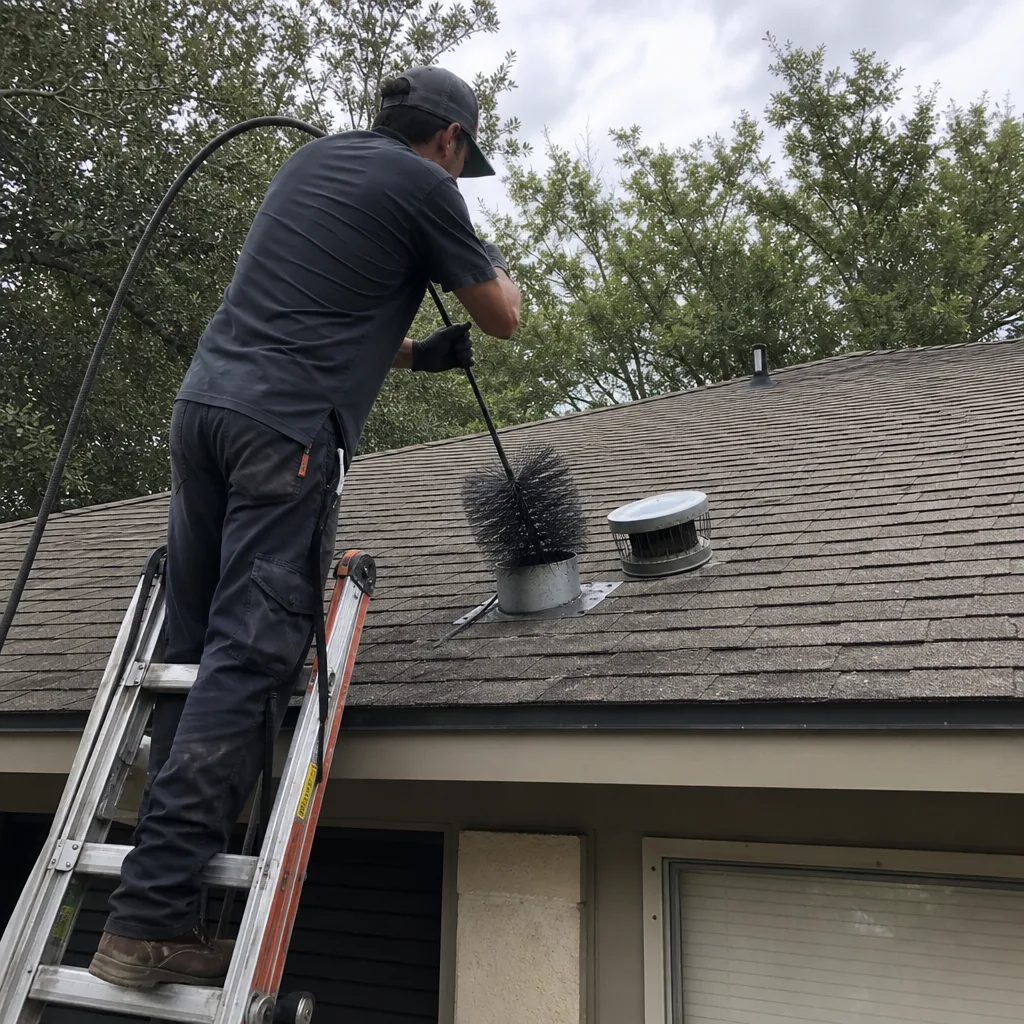
- Accepting a per-vent price. Per-vent pricing incentivizes contractors to find more vents that “need” cleaning. CleanRun prices by system, not by vent count, under Haven Standard Clause 1. A written flat price per system agreed before work starts eliminates this conflict.
- Equating visible dust with duct contamination. As detailed above, register dust is usually a filter or return path issue. Cleaning ducts without fixing the filter problem wastes money and the symptom returns within weeks.
- Ignoring Houston’s flood history when evaluating odors. A musty odor in a home that flooded, even years ago, may indicate saturated duct liner that cleaning cannot address. Ask specifically about flood history and demand camera inspection of low duct runs.
- Accepting “sanitizing” or “disinfecting” as standalone services. Without physical removal of debris through negative-pressure extraction, chemical application is surface treatment only. EPA-registered sanitizers require clean surfaces to be effective. Demand documentation of the extraction process, not just the chemical used.
- Trusting before-and-after photos without verification. Ask when the photos were taken, which duct run they depict, and whether they are from your specific home. CleanRun’s documented photo record is labeled by date, address, and duct run, delivered to you as part of the standard job record.
- Scheduling cleaning without inspecting the coil and drain pan first. In Houston, coil-related odors outnumber duct-related odors. A contractor who does not inspect the coil before recommending duct cleaning is either incomplete or deliberately selling unnecessary work.
- Assuming newer homes have clean ducts. Construction debris - drywall dust, insulation fragments, sawdust - is common in homes built during Houston’s 2015-2020 boom. We’ve found substantial construction debris in homes less than two years old, particularly in fast-track developments in Cypress and Katy.
When to Call a Professional
Call for professional inspection when you have documented persistent symptoms that don’t resolve with filter correction: airflow mapping that shows isolated weak registers, odors that correlate with specific duct runs rather than the air handler, or any warning sign combined with known flood or storm history. Bring your documentation - photos, airflow notes, odor timing - and expect the contractor to add camera inspection and written findings to that record.
CleanRun Air Duct Cleaning Houston offers free estimates in Houston - call (346) 251-8919. Every estimate includes camera inspection of representative duct runs, written findings with photographs, and a flat price per system delivered before any work is discussed. Our background-checked, uniformed technicians operate under Haven Standard Clause 3: Verified Crews, with license number published on every proposal. The 365-Day Done Right Promise applies to every job, backed in writing, not just stated in conversation.
Frequently Asked Questions
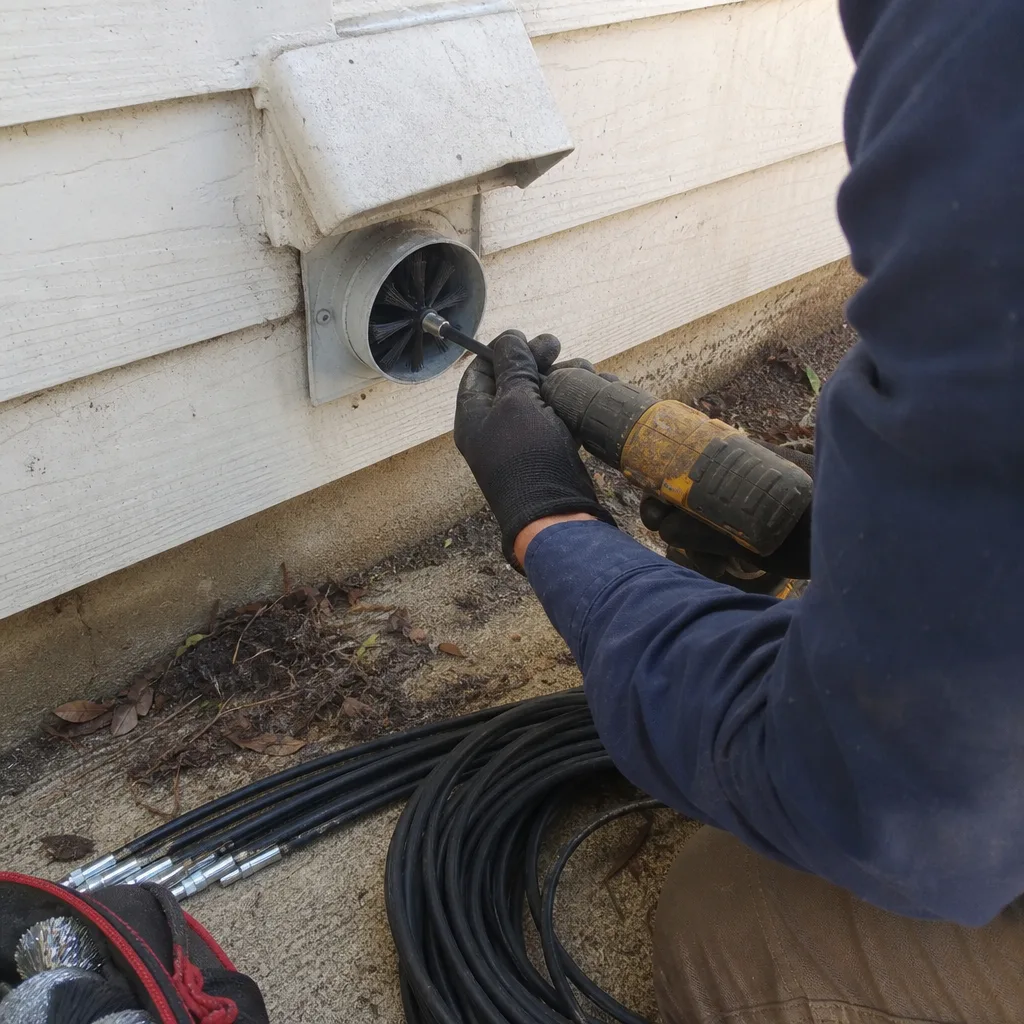
Whole-system air duct cleaning in Houston typically ranges from $450 to $850 for a single residential system, depending on system size, accessibility, and whether the scope includes the evaporator coil and dryer vent. CleanRun delivers a written flat price per system before any work starts, with no per-vent add-ons or surprise charges. Call (346) 251-8919 for an exact quote - estimates are free.
$79 to $149 quotes are typically entry points for upselling: the advertised price covers minimal vacuuming of accessible registers, with additional charges for “deep cleaning,” sanitizing, or additional vents applied once the crew is in your home. The actual invoice often exceeds $600. CleanRun’s written price under Haven Standard Clause 1 includes the complete scope - negative-pressure extraction of all duct runs, register cleaning, and the documented photo record - with no post-arrival additions.
Demand a documented photo record of every duct run, before and after, with timestamps and duct run labels. CleanRun includes this as a standard deliverable on every job, not as an upgrade. The photos show the interior surface condition, not just the register opening. If a contractor cannot or will not provide this documentation, the work cannot be verified.
For Houston homes with proper filtration and no flood history, every 5 to 7 years is typical for normal debris accumulation. Homes with pets that shed heavily, residents with severe allergies, or known construction debris may need more frequent service. Microbial growth or rodent contamination requires immediate attention regardless of schedule. The most reliable indicator is camera inspection, not calendar time.
Normal debris accumulation is primarily an irritant, not a pathogen. It may aggravate allergies or asthma in sensitive individuals, but it does not typically cause illness in healthy adults. Rodent contamination and certain mold species are genuine health concerns requiring professional remediation. If you have unexplained respiratory symptoms that improve when away from home, camera inspection is warranted to rule out these specific contamination types.
If floodwater contacted your ductwork, cleaning is usually insufficient. Fiberglass-lined ducts that have absorbed floodwater require replacement. Metal ducts may be salvageable with thorough cleaning and sanitization if contacted only by clean rainwater and dried promptly, but camera inspection and possibly air quality testing are required to confirm. In Houston’s flood-prone areas, we recommend inspection after any event that produced standing water in your home or crawl space.
The Bottom Line
Most warning signs attributed to dirty ducts in Houston are actually filter failures, equipment issues, or duct leakage. The symptoms that genuinely indicate duct contamination - persistent debris at registers after filter correction, isolated airflow reductions that map to specific duct runs, and odors traceable to duct sections rather than the air handler - require camera inspection to confirm and document. Houston’s climate and flood history add specific contamination types, particularly microbial growth and water damage, that cleaning alone cannot address. Document your own symptoms before calling any contractor, demand written pricing and photographic verification, and reject any proposal that cannot explain exactly what will be done, with what equipment, at what flat price, before work begins.
Written by Tomas Reyes, Owner at CleanRun Air Duct Cleaning Houston, serving Houston since 2013.