
Last updated September 23, 2026
Whole-system duct and dryer vent check with before-and-after photos - you see exactly what came out of your vents
That "$99 whole-house special" is a bait ad - the real number appears once they are in your hallway, or the "clean" is a shop-vac at the register. We photograph the inside of your ducts before and after instead.
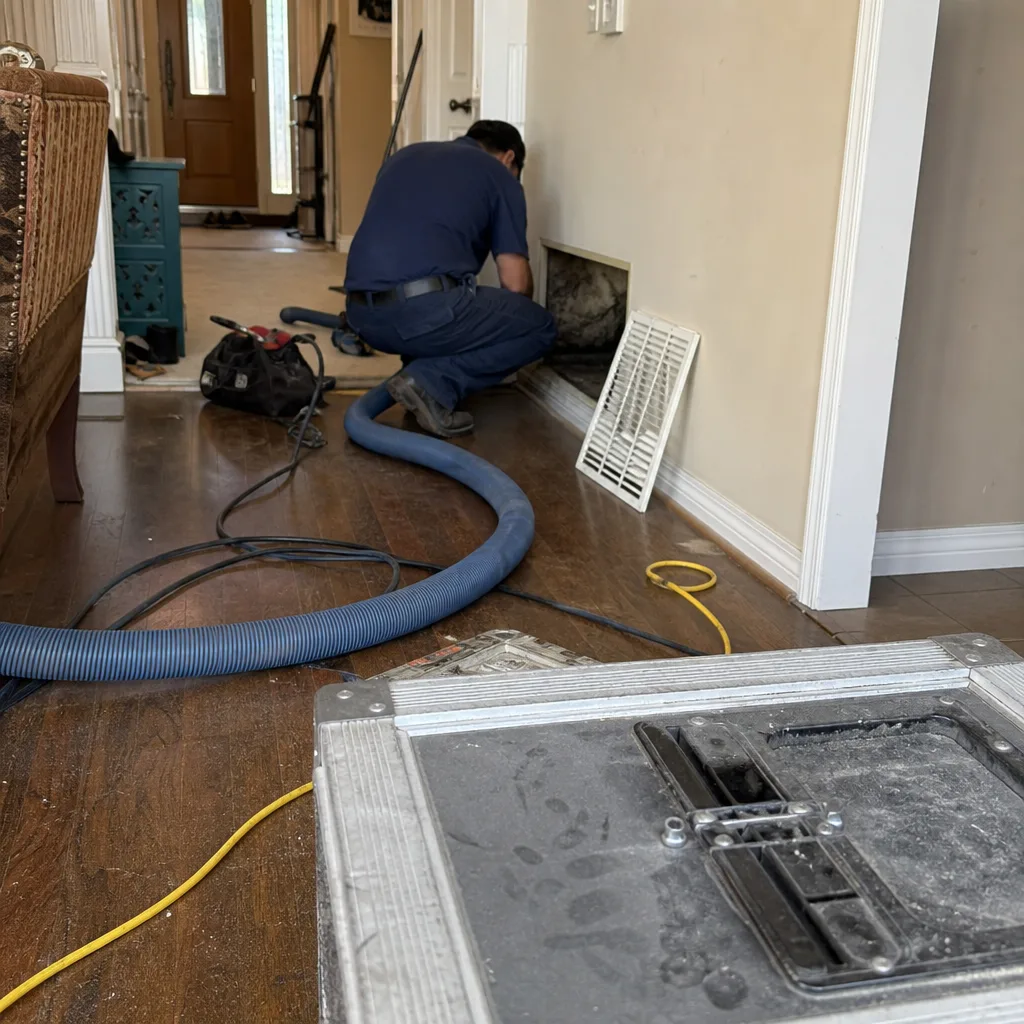 Before
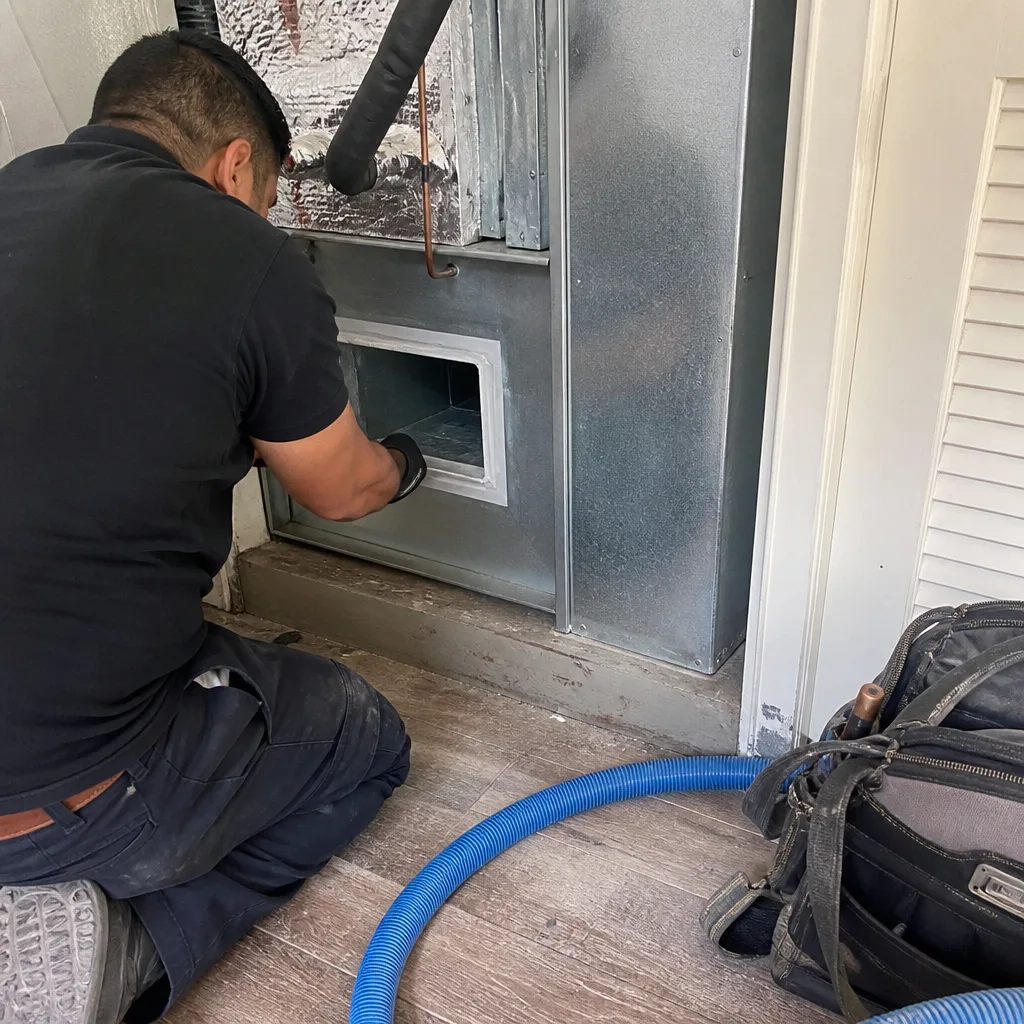 After
After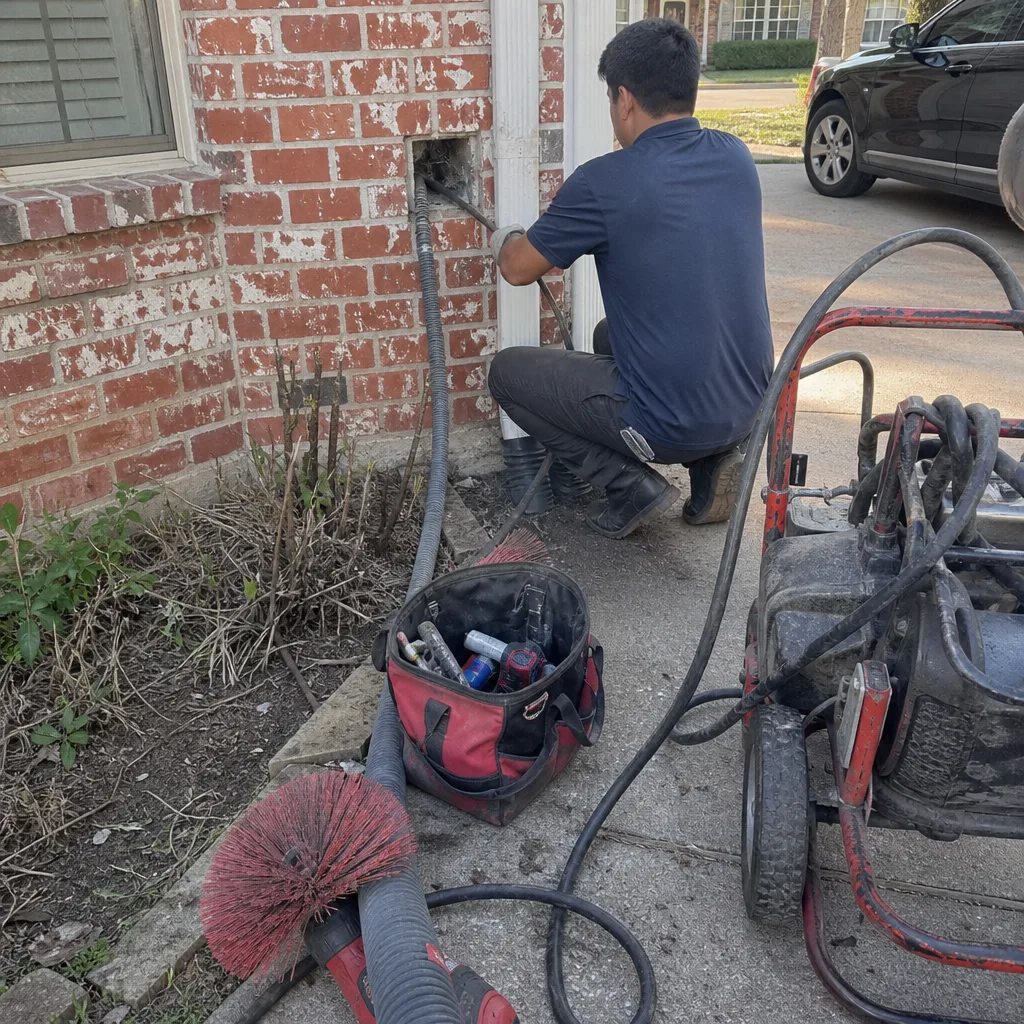 Before
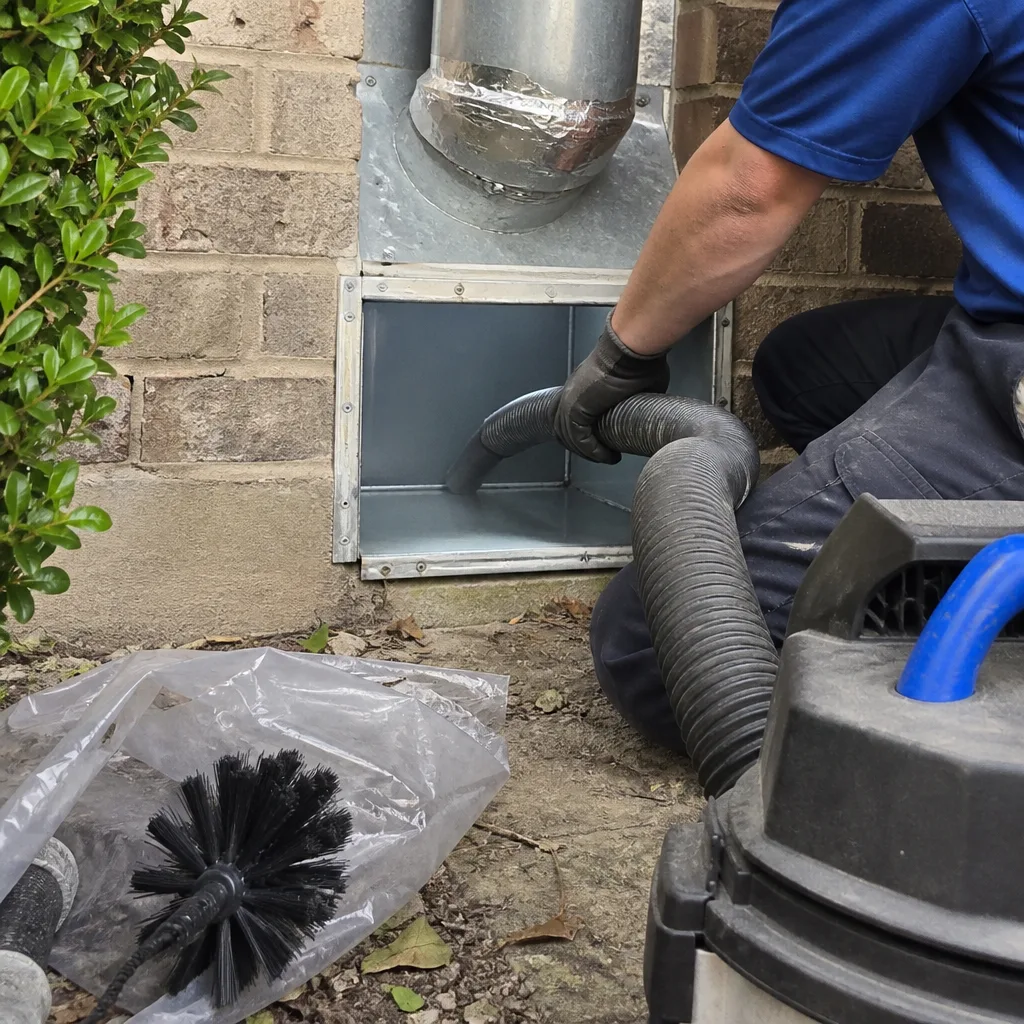 After
After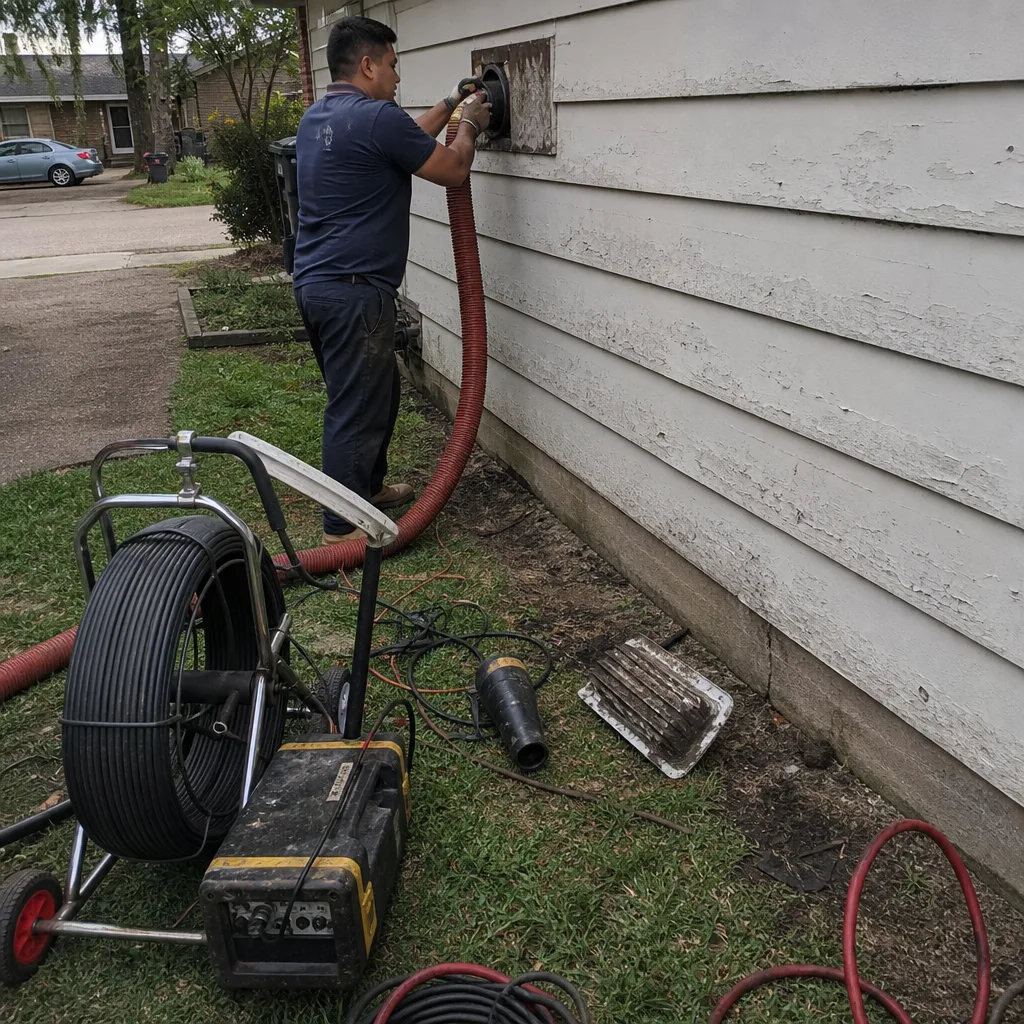 Before
 After
AfterDIY vs Professional Air Duct Cleaning: The Houston Homeowner’s Decision Guide
Every $30 DIY duct cleaning kit sold at Home Depot reaches approximately 18 inches into a duct run. The contamination that actually affects air quality and system efficiency in Houston homes typically starts 4 to 6 feet in, bonded to interior walls by humidity and time. This guide explains what DIY cleaning can realistically accomplish, what it cannot, and how to decide which investment makes sense for your specific situation. We’ll cover the tools that work, the ones that waste money, and the Houston climate conditions that change the math entirely.
Quick Answer
DIY air duct cleaning in Houston can handle register-level dust removal and basic visual inspection, but it cannot perform negative-pressure source removal or agitation cleaning of trunk lines where the bulk of contamination collects. A professional job with documented before-and-after photography typically runs $400-$900 for a complete residential system in Houston, while DIY tool investment ranges from $30 for a brush kit to $300+ for a shop vac with extensions. Choose DIY for maintenance between Air Duct Cleaning appointments; choose professional service when you need verified contamination removal, coil cleaning, or documentation for real estate or health purposes.
Table of Contents
- What DIY Air Duct Cleaning Can Realistically Accomplish
- What DIY Cleaning Cannot Do (And Why It Matters)
- How Houston’s Climate Changes the Duct Cleaning Equation
- Honest Cost Comparison: DIY Investment vs. Professional Service
- Equipment Deep Dive: What Each Approach Actually Uses
- When DIY Makes Sense (And When It Makes Things Worse)
- The Documentation Gap: Why Verification Matters
- Common Mistakes to Avoid
- When to Call a Professional
- Frequently Asked Questions
- The Bottom Line
BeforeAfterWhat DIY Air Duct Cleaning Can Realistically Accomplish
DIY duct cleaning has a proper role. It is not a replacement for professional service, but it is not worthless either. Understanding its actual capabilities helps homeowners spend money wisely and maintain systems between professional visits.
Register and Grille Cleaning
Floor and wall registers collect visible dust, pet hair, and surface debris. Removing these covers and cleaning them with soap, water, and a brush removes material that would otherwise re-enter the airflow the moment the system cycles on. This is the highest-ROI DIY task. It requires no special tools and takes 30-45 minutes for a typical Houston home with 12-16 registers.
Accessible Flex Duct Surface Cleaning
Some Houston homes, particularly those built between 1980 and 2005 in neighborhoods like Spring Branch and Alief, have exposed flex duct in attics or crawl spaces. A homeowner with a shop vac and a soft brush can clean the exterior insulation wrap and check for physical damage. This is maintenance, not contamination removal from the interior, but it has value. Damaged flex duct leaks conditioned air into unconditioned spaces and drives up utility bills.
Visual Inspection with a Phone Camera
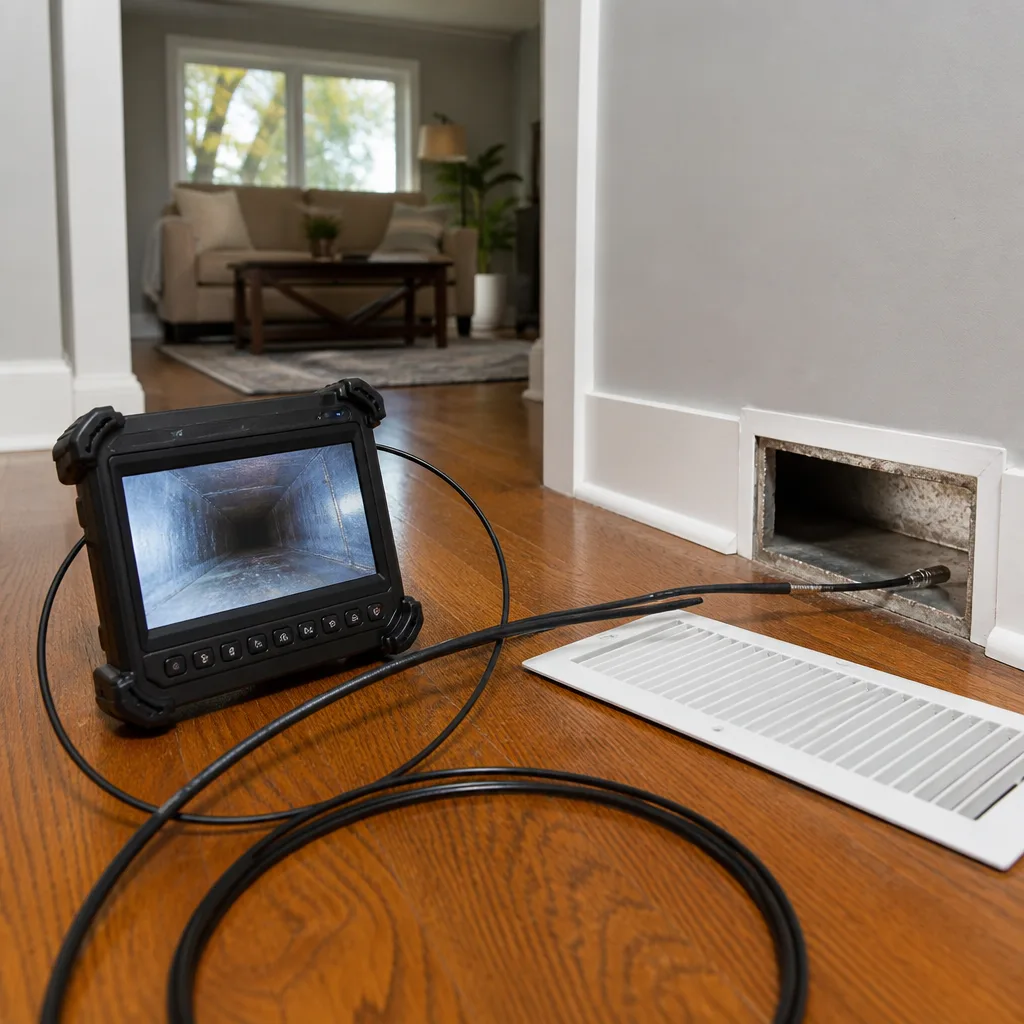
A smartphone with a flashlight, or a $25 borescope camera from Amazon, lets a homeowner see the first few feet of a duct run. What you see matters. Heavy debris, standing water, or visible mold growth within arm’s reach suggests conditions deeper in the system that require professional equipment. Document what you see. Date-stamped photos are useful for comparison over time and for discussions with HVAC contractors or, if needed, indoor air quality consultants.
Filter Replacement and Housing Cleaning
The filter slot and return air grille collect debris that bypasses the filter. Cleaning these areas with a vacuum and damp cloth reduces the load on the new filter and improves airflow measurement at the air handler. This is technically HVAC maintenance, not duct cleaning, but it directly affects what circulates through the ductwork.
What DIY cannot do is remove debris bonded to interior duct walls, clean evaporator coils, or provide any form of documented verification. The next section explains why those limitations matter structurally.
What DIY Cleaning Cannot Do (And Why It Matters)
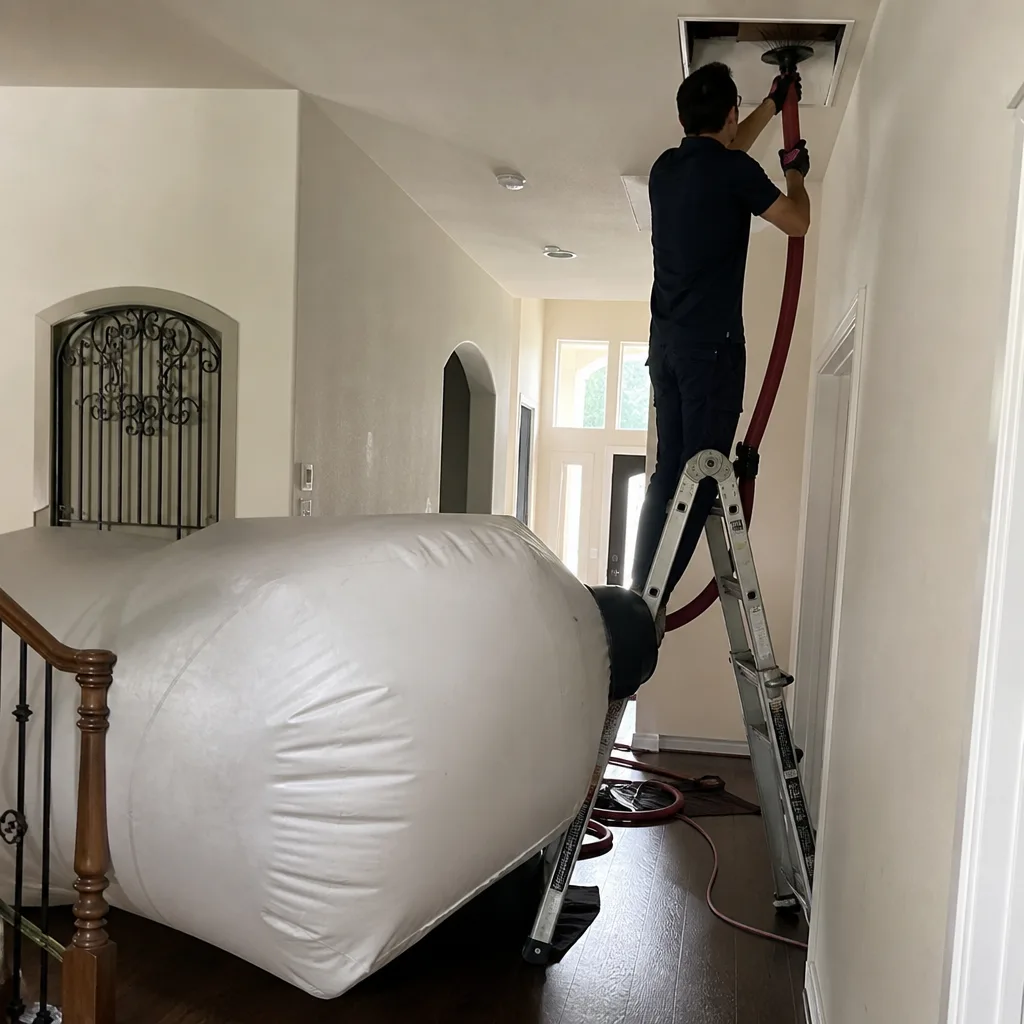
The duct cleaning industry operates on a specific technical standard: negative-pressure source removal. This means applying suction at one point while agitating debris at another, so contamination is extracted rather than redistributed. No DIY tool available to consumers performs this function correctly.
The Physics of Negative-Pressure Extraction
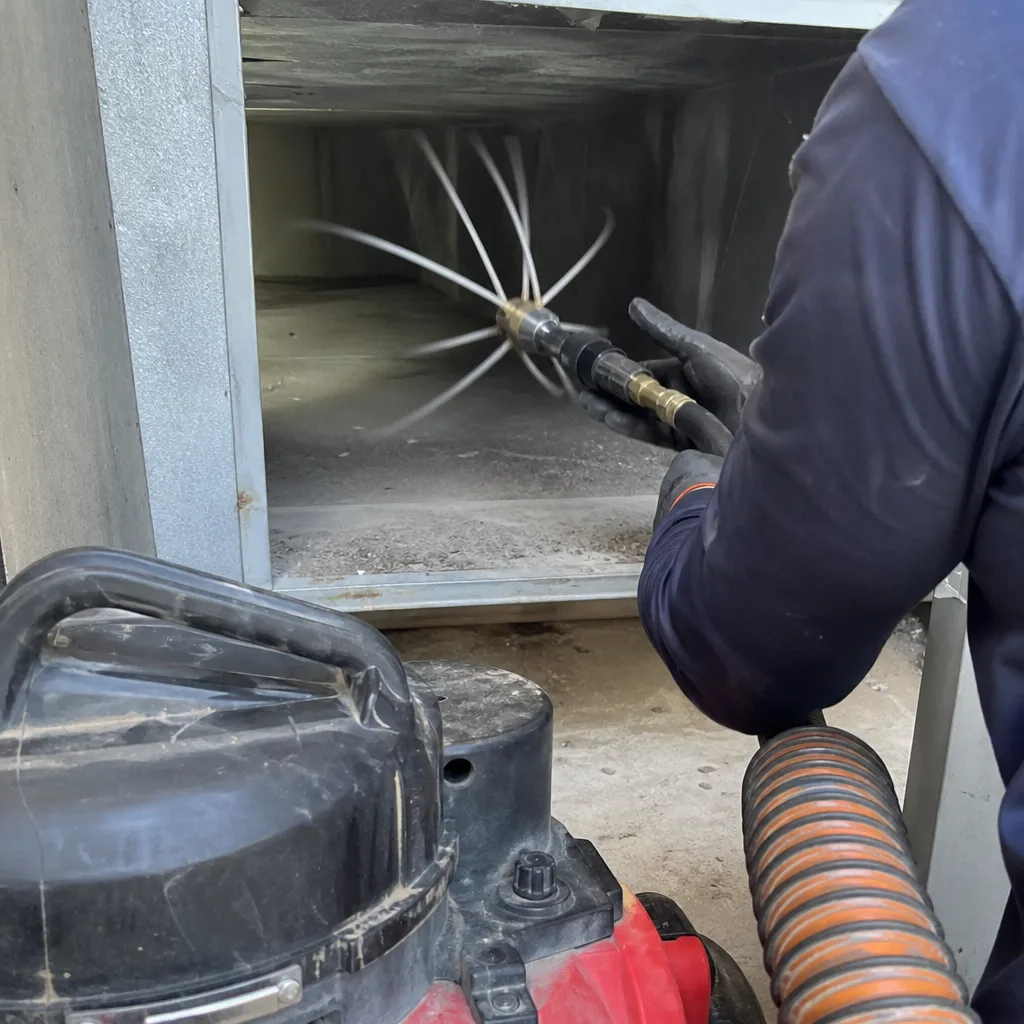
Professional systems from manufacturers like CleanRun Air Duct Cleaning Houston home use truck-mounted or portable vacuums generating 5,000-15,000 CFM (cubic feet per minute) of suction, connected to the duct system at the plenum - the central distribution box where all trunk lines meet. This creates negative pressure throughout the system. Agitation tools, powered or manual, dislodge debris while the vacuum captures it at the source.
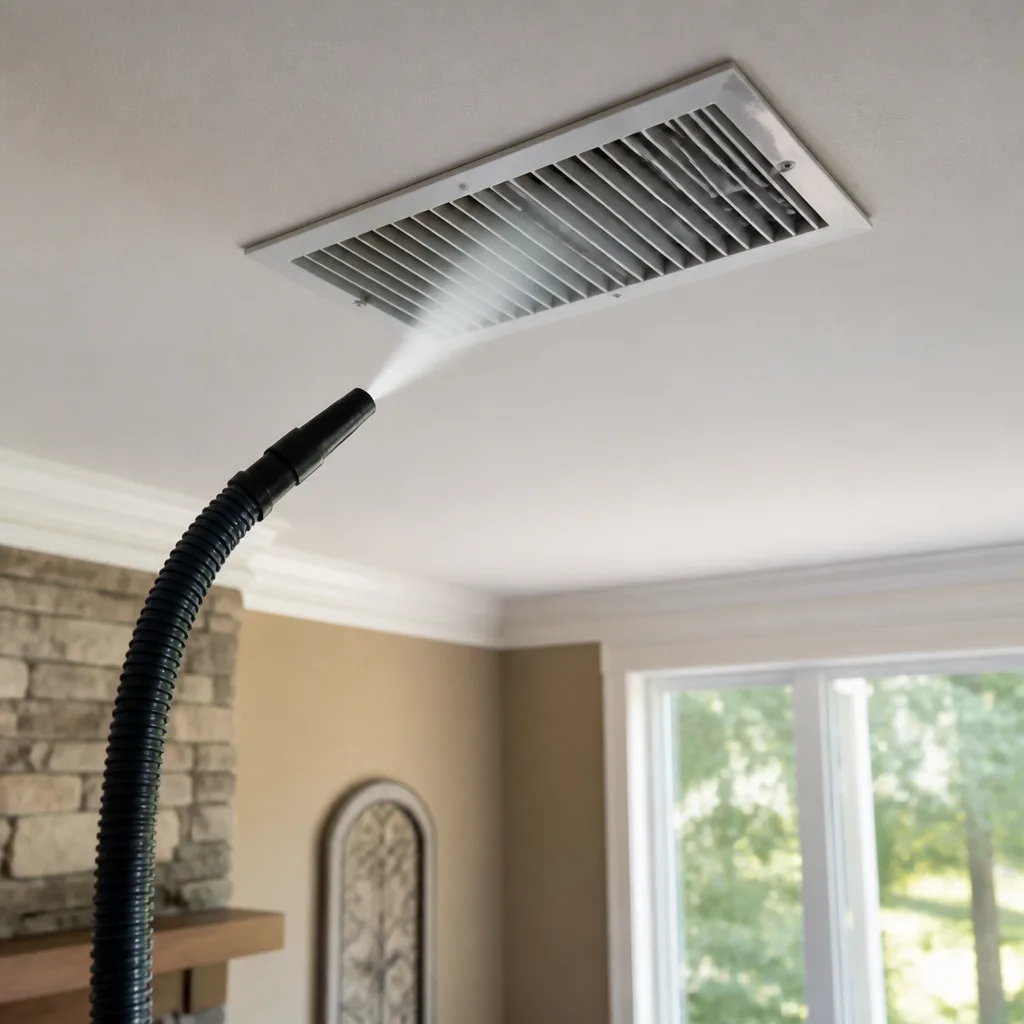
A shop vac generates approximately 100-200 CFM. Inserted into a register, it pulls air from the nearest opening, not from deep in the system. Debris disturbed by a brush without simultaneous extraction falls back into the duct or becomes airborne in the living space. We have inspected Houston homes where DIY attempts left visible dust plumes on walls and furniture near the registers worked on.
Agitation of Bonded Debris
Debris in ductwork is not loose dust sitting on a shelf. It is compacted by years of airflow, humidity cycling, and in Houston’s climate, partial adhesion from moisture. Removing it requires mechanical agitation: rotary brushes, whipping cables, or compressed air tools that contact the duct wall directly. DIY brush kits are too short, too flexible, or too weak to generate sufficient contact force.
Coil Cleaning
The evaporator coil, located at the air handler, is where air is actively cooled and dehumidified. It is also where moisture collects and microbial growth occurs. In Houston’s climate, coil cleaning is often the single most impactful component of a professional service. No DIY method safely accesses or cleans this component without risking damage to the delicate aluminum fins or electrical connections.
Trunk Line and Plenum Access
Trunk lines - the large central ducts, typically 8×14 inches or larger - carry the highest volume of air and collect the most significant debris loads. They are not accessible from registers. Access requires cutting service openings, performing the work, and sealing those openings to professional standards. This is not a DIY task.
How Houston’s Climate Changes the Duct Cleaning Equation
Houston’s climate creates duct contamination profiles that differ materially from drier markets like Phoenix or Denver. Homeowners here face conditions that make professional cleaning more frequently necessary and DIY methods less effective. Our Seasonal Air Duct Cleaning Care for Houston: Year-Round Homeowner’s Guide breaks down what to watch for each season.
Humidity-Bonded Debris
Houston averages 75-80% relative humidity for much of the year. Duct systems, particularly those with attic air handlers, experience temperature differentials that cause condensation on interior duct walls. Dust and debris that would remain loose and potentially self-clearing in dry climates instead adheres to these moist surfaces. The result is compacted, layered contamination that requires mechanical agitation and strong extraction to remove.
In neighborhoods near Buffalo Bayou, Braes Bayou, or any of Houston’s flood-prone watersheds, we regularly see duct liner - the fiberglass insulation inside sheet metal ducts - that has absorbed moisture and bonded with debris into a semi-solid mass. A shop vac will not touch this material. In some cases, agitation without proper containment risks releasing fiberglass particulate into the home.
Microbial Growth Conditions
The combination of organic debris, moisture, and warm temperatures creates conditions for microbial growth on duct surfaces and coil assemblies. This is not unique to Houston, but it is more prevalent here than in any major Texas market except the Gulf Coast corridor. Visual inspection may reveal dark staining or musty odors. Professional cleaning with appropriate antimicrobial treatment, applied by licensed technicians under manufacturer protocol, addresses this. DIY methods cannot verify microbial presence (that requires laboratory analysis) and cannot safely apply treatment chemicals at effective concentrations.
Attic-Driven Degradation
Houston’s attic temperatures regularly exceed 130°F in summer. Flex duct, common in residential construction from the 1990s through the 2010s, degrades under thermal cycling. The adhesive securing the inner liner fails, the insulation compacts, and the outer vapor barrier cracks. Homeowners in Cypress, Katy, and Sugar Land - areas with extensive suburban development during this period - should inspect accessible attic duct annually. DIY can identify physical damage. Repair and replacement require professional materials and techniques to maintain system efficiency and prevent attic air infiltration.
Post-Harvey and Post-Imelda Considerations
Homes flooded during Hurricane Harvey (2017) or Tropical Storm Imelda (2019) that did not receive complete duct replacement may still harbor contamination in low spots, behind dampers, or in sections that were incompletely dried. We have documented cases in Meyerland, Memorial, and Kingwood where homeowners believed ducts were cleaned post-flood, but inspection cameras revealed standing water residue and debris accumulation at duct low points. This requires professional assessment with borescope documentation.
Honest Cost Comparison: DIY Investment vs. Professional Service
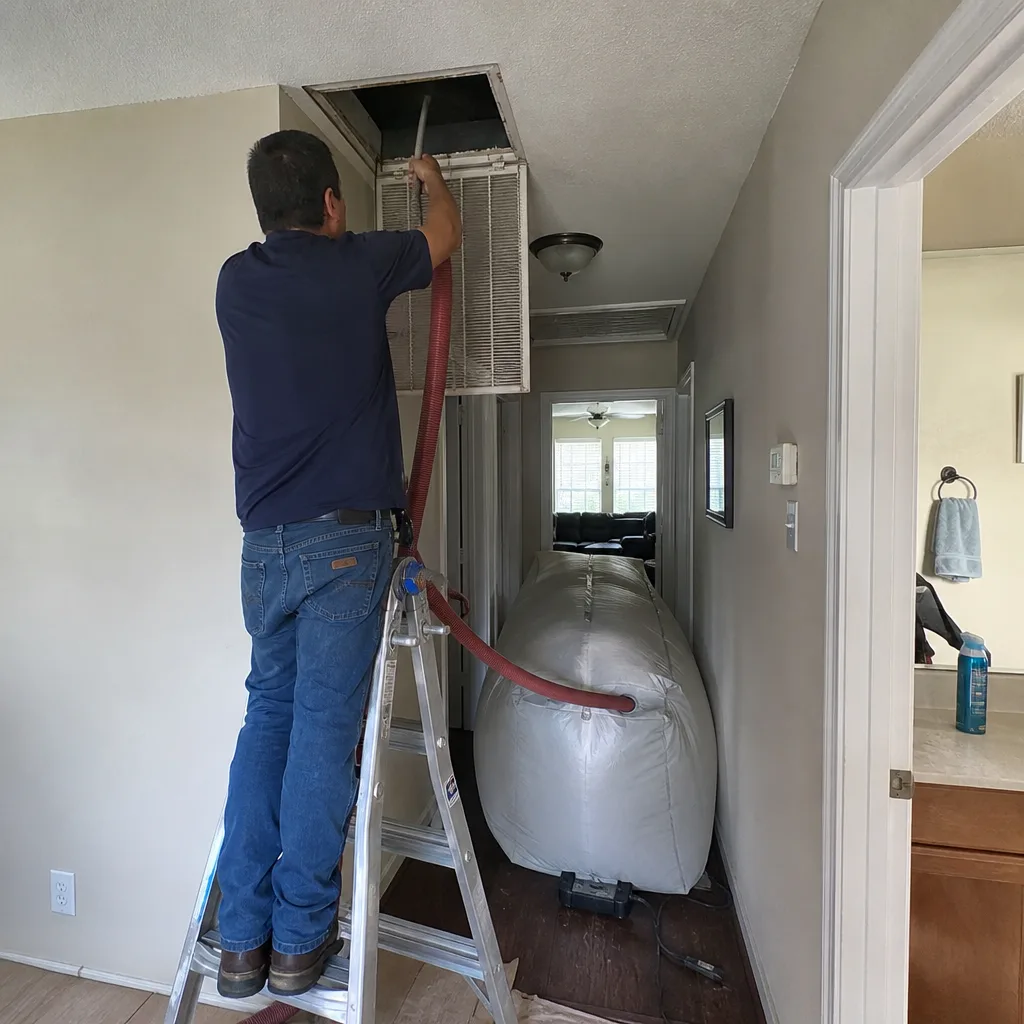
Cost comparisons fail when they compare only dollar amounts without measuring what each dollar produces. Here is what homeowners in Houston actually spend, and what each investment delivers.
DIY Tool Investment
| Item | Cost Range | What It Actually Does |
|---|---|---|
| Register brush kit (Home Depot/Lowe’s) | $25-$40 | Cleans visible register surfaces and approximately 12-18 inches of duct interior |
| Shop vac with extension wands | $150-$300 | Surface debris removal at point of contact; no negative-pressure capability |
| Borescope camera | $25-$80 | Visual inspection of first few feet; documentation for professional consultation |
| Replacement filters (annual) | $60-$180 | Reduces future debris load; not cleaning but preventive maintenance |
| DIY “duct cleaning” chemical sprays | $15-$30 | Coats interior surfaces; no extraction capability; we do not recommend |
Total realistic DIY investment: $200-$450 for tools that handle surface maintenance and inspection. Time investment: 4-8 hours for initial learning and execution, plus 2-3 hours annually for repeat maintenance.
Professional Service Investment in Houston
Air Duct Cleaning in Houston from established providers typically ranges:
- Small home (under 1,500 sq ft, single system): $350-$550
- Mid-size home (1,500-2,500 sq ft, single or dual system): $500-$750
- Large home (2,500-4,000 sq ft, dual or zoned systems): $700-$1,100
- Additional services (coil cleaning, sanitizer application, dryer vent): $150-$350 per item
What this price produces: negative-pressure source removal throughout all accessible duct runs, agitation cleaning of trunk lines and branches, coil inspection and cleaning if accessible, and documented before-and-after photography of interior conditions. At CleanRun, every job also includes a written price before work starts under Haven Standard Clause 1, and the 365-Day Done Right Promise backed in writing.
The Hidden Cost of Incomplete Cleaning
DIY attempts that disturb debris without extraction can increase airborne particulate for 24-72 hours afterward. We have tested Houston homes where post-DIY particle counts exceeded pre-cleaning levels. The cost: potential HVAC filter loading, temporary air quality degradation, and in homes with respiratory-sensitive occupants, real health impact. This is not theoretical. We document it when customers call after DIY attempts and request professional follow-up.
Equipment Deep Dive: What Each Approach Actually Uses
Equipment names matter because they are verifiable. Customers can search manufacturer specifications and understand what is being deployed in their home.
Professional-Grade Equipment
CleanRun’s equipment roster includes systems from Rotobrush, Nikro, Abatement Technologies, Honeywell, Aprilaire, and Guardsman. These are trade-recognized manufacturers, not consumer brands. What each category does:
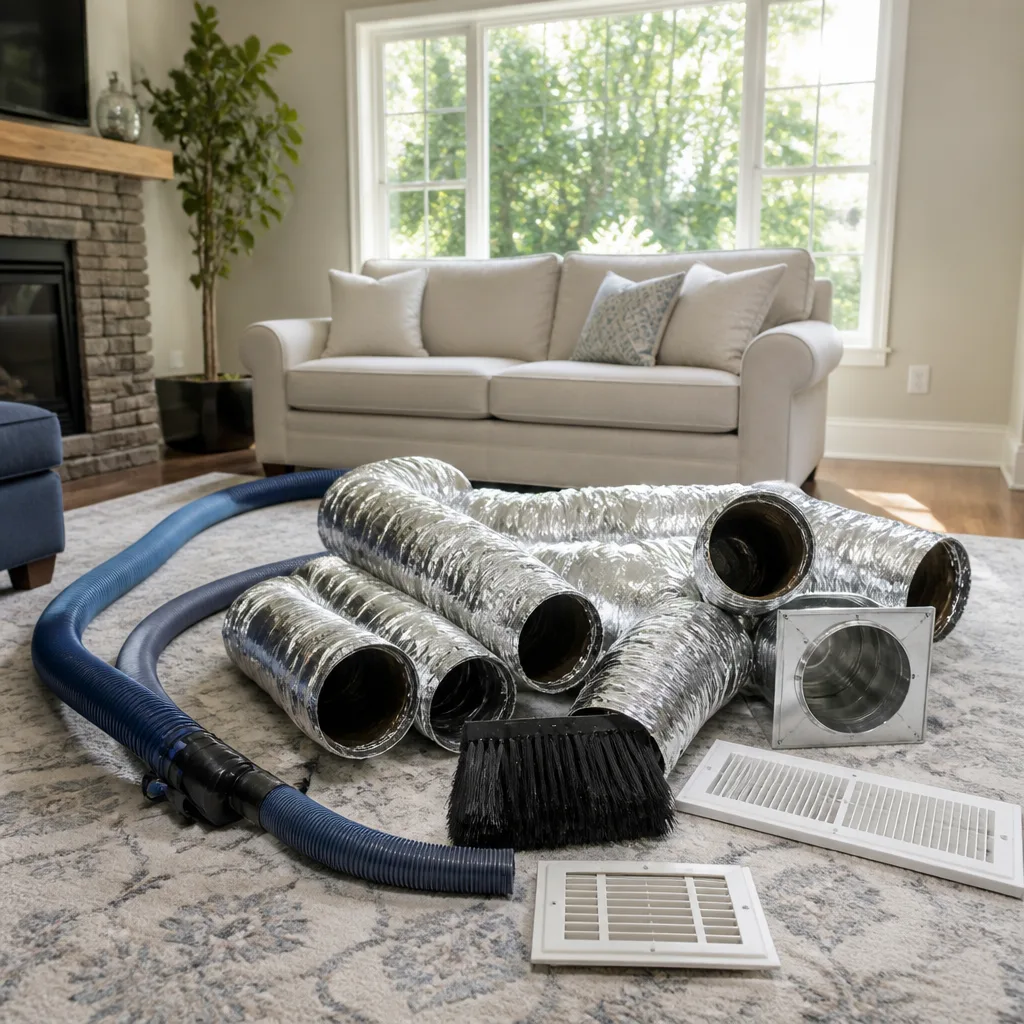
- Negative-pressure vacuums (Nikro, Abatement Technologies): Generate sufficient CFM to maintain negative pressure across the entire duct system during agitation. Portable units for homes without truck access; truck-mounted for maximum power.
- Agitation systems (Rotobrush): Rotary brush assemblies on flexible cables that traverse entire duct runs, contacting walls directly to dislodge bonded debris. Brush diameter matches duct size to maximize contact without damaging flex duct liner.
- Air handling components (Honeywell, Aprilaire): Whole-home air cleaners and UV systems installed at the air handler, addressing ongoing particle and microbial control between cleanings.
- Protective and sealing materials (Guardsman): Applied to service openings and connections to ensure system integrity after cleaning.
Customers can verify any of these manufacturers independently. We name them specifically because Haven Standard Clause 1 includes transparent equipment disclosure as part of upfront pricing.
DIY Equipment Limitations
Consumer-grade shop vacs lack the sealed HEPA filtration required for duct cleaning. Standard filters pass fine particulate through the motor housing and exhaust it back into the home. Extension wands flex and bind at duct elbows, typically reaching 3-4 feet at most. Brush attachments are too soft to dislodge bonded material and too small to contact duct walls effectively in larger trunk lines.
The borescope camera is the exception. A $40 consumer borescope provides genuine diagnostic value. We encourage homeowners to use them and share footage when requesting estimates. It accelerates accurate scoping and pricing.
When DIY Makes Sense (And When It Makes Things Worse)
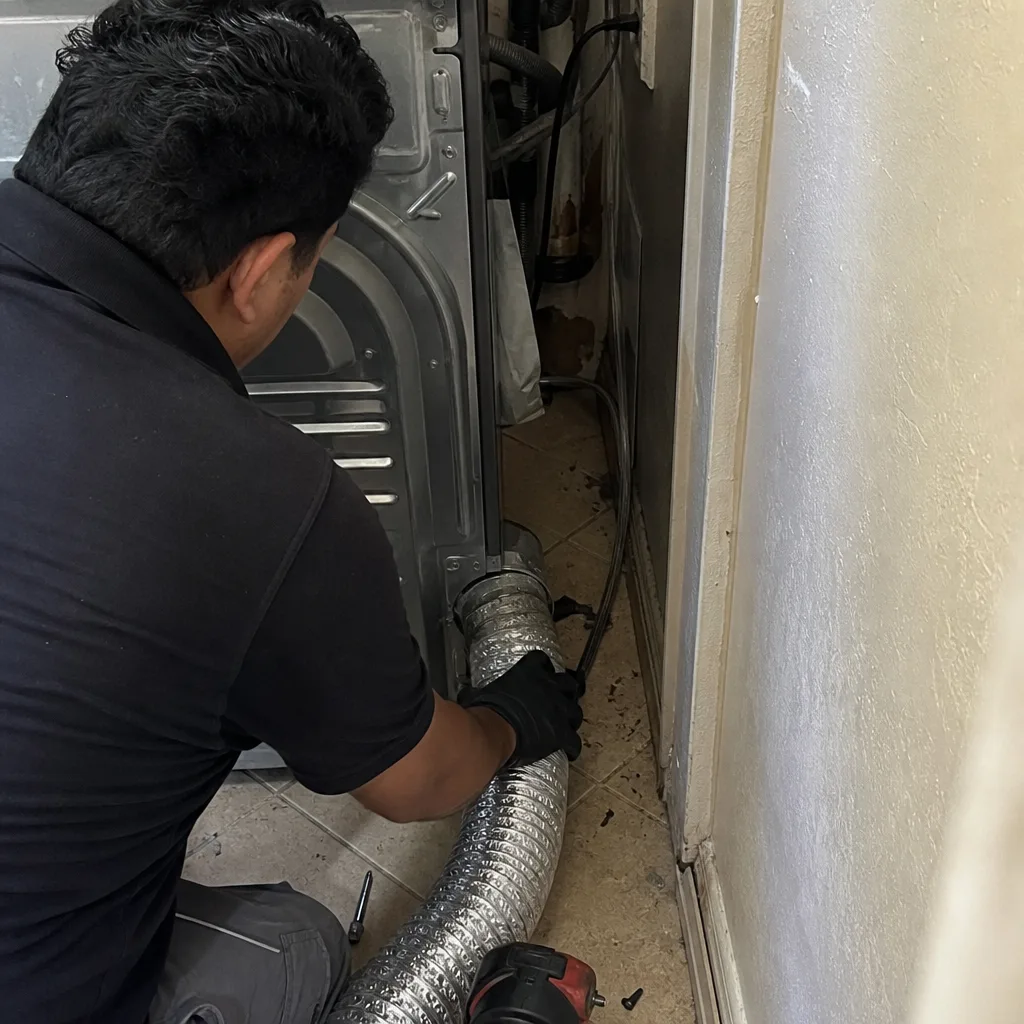
There is a correct answer for DIY duct cleaning. It is narrower than marketing suggests, but it exists. Explore more guides & resources to make informed maintenance decisions.
DIY Is the Right Choice When:
- You need maintenance between professional cleanings. Register cleaning, filter changes, and visual inspection every 6 months extends the effectiveness of professional service and keeps surface debris from circulating.
- You are preparing a home for sale and need basic presentation. Clean registers and visible returns improve first impressions. This is cosmetic, not functional, but it has legitimate value in real estate context.
- You have recently completed professional cleaning and want to maximize its longevity. The first 30 days after professional service are when disturbed debris fully clears. Light DIY maintenance during this period helps.
- You need documentation for a landlord or property manager. Borescope photos of clean duct interiors, even if limited in scope, demonstrate attention to maintenance.
DIY Makes the Situation Worse When:
- You disturb debris without extraction capability. This is the most common error. Brushing or blowing into a duct without negative pressure redistributes contamination into living spaces.
- You attempt coil cleaning without training. Evaporator coils are fragile aluminum fins on copper tubing. Bending fins reduces airflow permanently. Electrical components nearby create shock risk. Chemical application without proper dilution and rinsing corrodes metal.
- You use consumer chemical sprays. These products coat duct surfaces with residue that attracts future debris. Some contain compounds that irritate airways when aerosolized by system airflow. We have removed significant chemical residue from ducts in Houston homes where DIY sprays were used.
- You ignore signs of systemic problems. Musty odors, visible mold, or water staining visible in ducts indicate conditions that require professional assessment. DIY masking delays proper remediation and can worsen microbial spread.
The Documentation Gap: Why Verification Matters
The duct cleaning industry has a credibility problem. The $79 coupon special that becomes a $600 invoice is a documented pattern, not an urban legend. Homeowners are right to be skeptical. Documentation is the antidote, and it is where DIY and professional approaches diverge most sharply.
What DIY Documentation Looks Like
A homeowner with a borescope can produce date-stamped photos of specific duct sections. This has value. It establishes baseline conditions and can reveal obvious problems. What it cannot do is document complete system condition, verify debris removal, or provide third-party-verifiable evidence of work performed.
What Professional Documentation Should Include
At CleanRun, every job concludes with a Documented Photo Record: interior images of every duct run, before and after, delivered to the customer as part of the standard job record. This is not a marketing promise. It is a concrete deliverable, held since our first job in 2013. The photo record includes:
- Register-level view before agitation
- Mid-run view at accessible points
- Trunk line condition at service openings
- Post-cleaning verification of the same locations
This documentation serves multiple purposes. It verifies that work occurred as scoped. It provides evidence for real estate transactions, landlord disputes, or insurance claims. It establishes a baseline for future maintenance decisions.
Haven Standard Clause 1 requires written pricing before work starts. The scope of work, including which duct runs will be cleaned and which additional services are included, is specified in writing before any panel is removed. There is no post-work invoice surprise because there is no post-work price negotiation.
The Free Second Opinion
For homeowners who have received estimates elsewhere, CleanRun offers a Free Second Opinion on any written estimate. Bring the competitor’s quote. We put our own number next to it in writing, with equipment and scope specified, so the comparison is on documented facts rather than phone estimates.
Common Mistakes to Avoid
- Buying a “duct cleaning” attachment for your household vacuum. These are register brushes with a vacuum hose adapter. They clean 12-18 inches of duct and provide no negative pressure. The vacuum motor is not sealed for fine particulate and will exhaust dust back into your home.
- Using compressed air without containment. Blowing debris loose without extraction is the fastest way to redistribute contamination. We have cleaned Houston homes in the Heights and Montrose where this approach left visible dust layers on furniture throughout the house.
- Ignoring flex duct damage in attics. Houston’s attic heat degrades flex duct connections. A homeowner who cleans registers without inspecting attic ductwork may be sealing a system that leaks 20-30% of conditioned air into unconditioned space.
- Assuming clean registers mean clean ducts. Registers are the visible tip. Trunk lines and plenums hold the bulk of contamination. Visual cleanliness at the register is not diagnostic of system condition.
- Using chemical sprays for mold without testing. Dark staining is not always mold. Lab analysis costs $50-$150 and prevents unnecessary chemical application. If it is mold, consumer-grade sprays lack the concentration and dwell time for effective remediation.
- Cleaning ducts without addressing the source. If your Houston home has ongoing dust issues, the cause may be return air leakage, inadequate filtration, or construction debris in the system. Cleaning alone without identifying the source wastes money.
- Trusting estimates without written scope. Phone quotes for duct cleaning are inherently unreliable. Square footage, number of systems, accessibility, and contamination level all affect price. Haven Standard Clause 1 exists because verbal estimates lead to disputes.
When to Call a Professional
Call a professional when the problem exceeds what you can verify or safely address. Specific scenarios: visible mold or water staining in ducts; musty odors that persist after filter changes; system performance decline not explained by filter condition; recent pest intrusion (rodents or insects in ductwork); post-flood or post-remediation verification; real estate transaction requirements; or respiratory symptoms that correlate with HVAC runtime.
CleanRun Air Duct Cleaning Houston offers free estimates in Houston. Every estimate includes written scope and pricing before any work begins, under Haven Standard Clause 1. Call (346) 251-8919 to schedule. Technicians are background-checked, uniformed, and identified by name before arrival, per Haven Standard Clause 3: Verified Crews.
Frequently Asked Questions
Complete residential air duct cleaning in Houston typically costs $400-$900 for a single-system home, depending on square footage, duct accessibility, and contamination level. Larger homes with dual or zoned systems, or homes requiring coil cleaning or sanitizer application, range $700-$1,400. CleanRun provides written pricing before work starts on every job, with no per-vent add-ons or post-work upsells. Call (346) 251-8919 for an exact quote on your home - estimates are free.
Low quotes typically reflect limited scope: register cleaning only, no trunk line access, no photography, and equipment that does not perform negative-pressure source removal. The $79-$149 coupon special is a well-documented industry pattern where the initial price covers minimal work and the technician then identifies “additional problems” requiring substantial upsells. Written scope comparison reveals the difference. A legitimate quote specifies which duct runs will be cleaned, what equipment will be used, and what documentation will be provided.
Demand documented before-and-after photography of interior duct conditions, not just register surfaces. At CleanRun, the Documented Photo Record is standard on every visit, delivered to the customer as part of the job record. If a provider cannot or will not show you interior photos of your specific ducts, the work is not verifiable. This has been our practice since 2013.
Most Houston homes benefit from professional cleaning every 3-5 years. Homes with pets, recent construction, or occupants with respiratory conditions may need service every 2-3 years. Houston’s humidity can accelerate debris bonding, so the upper end of the range is less advisable here than in drier climates. Annual filter changes and register maintenance between professional visits extend cleaning effectiveness.
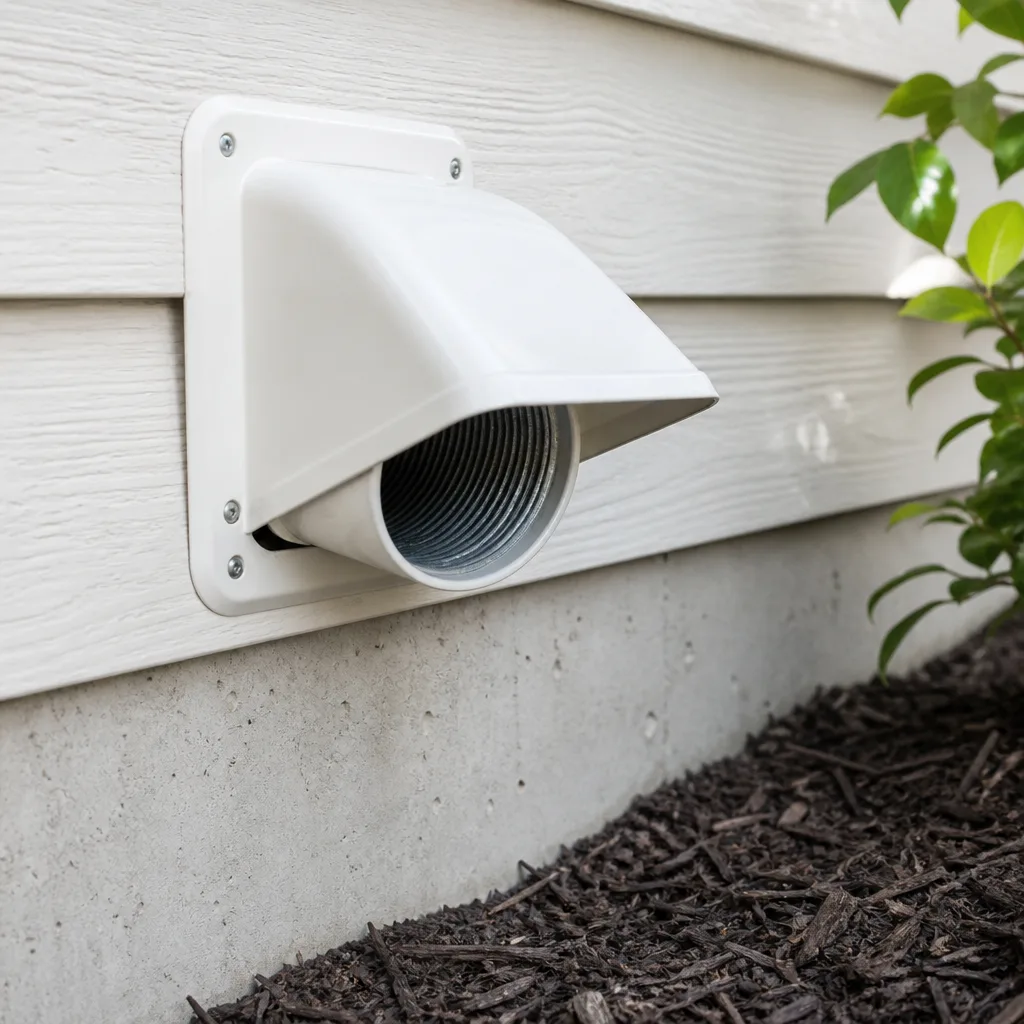
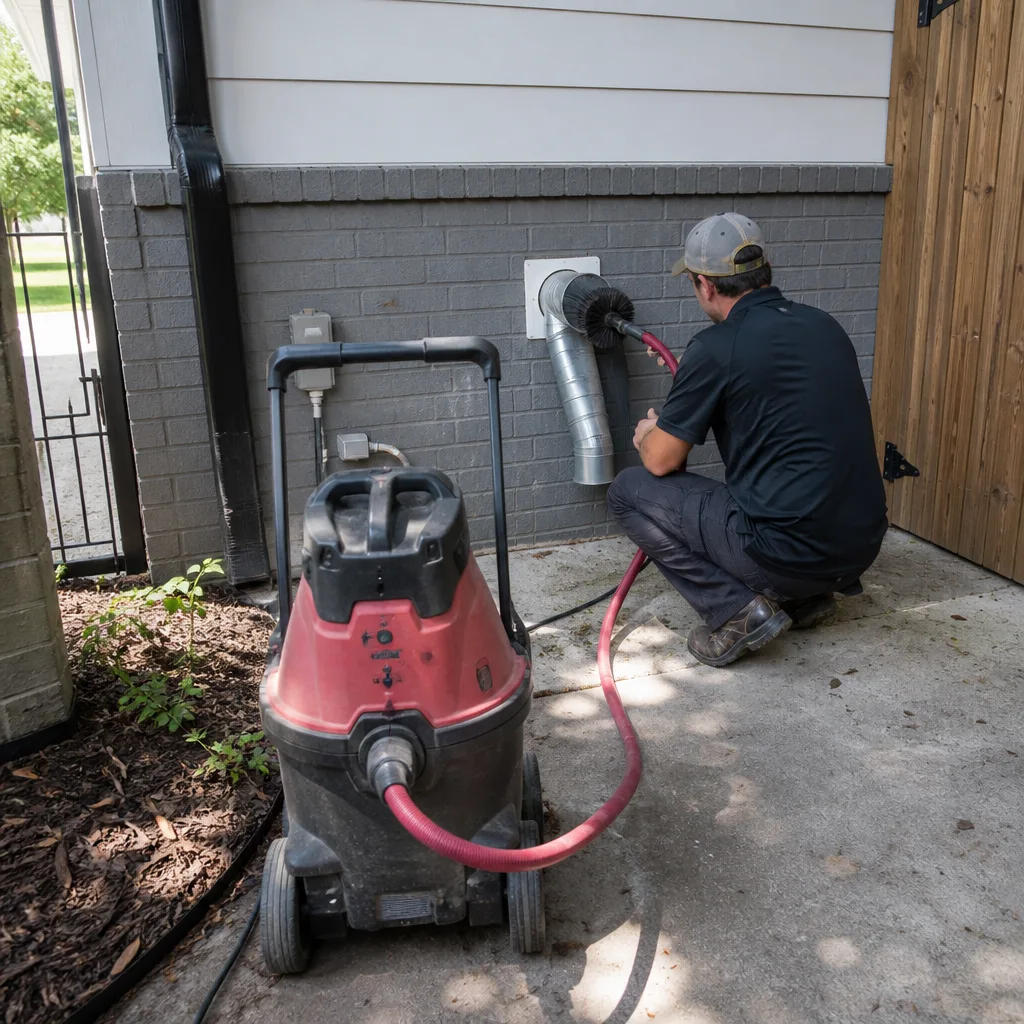
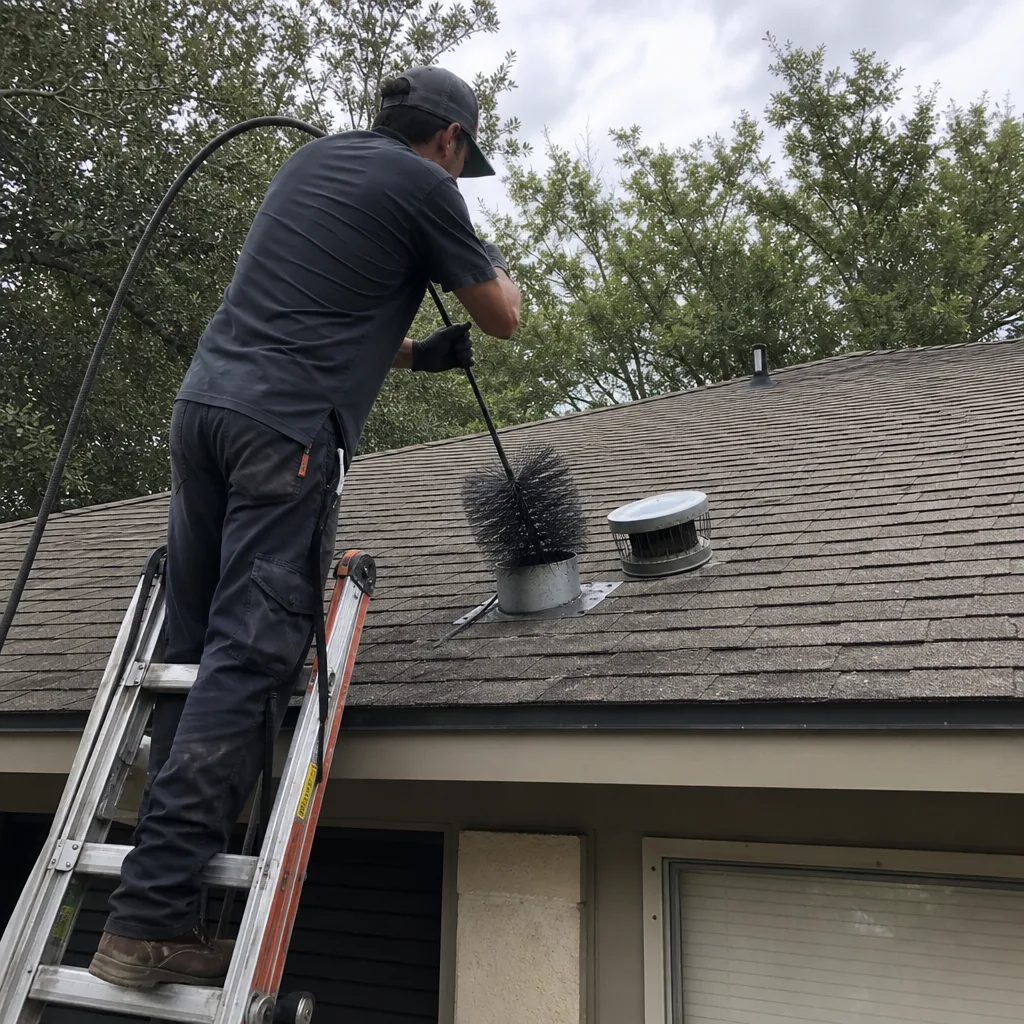
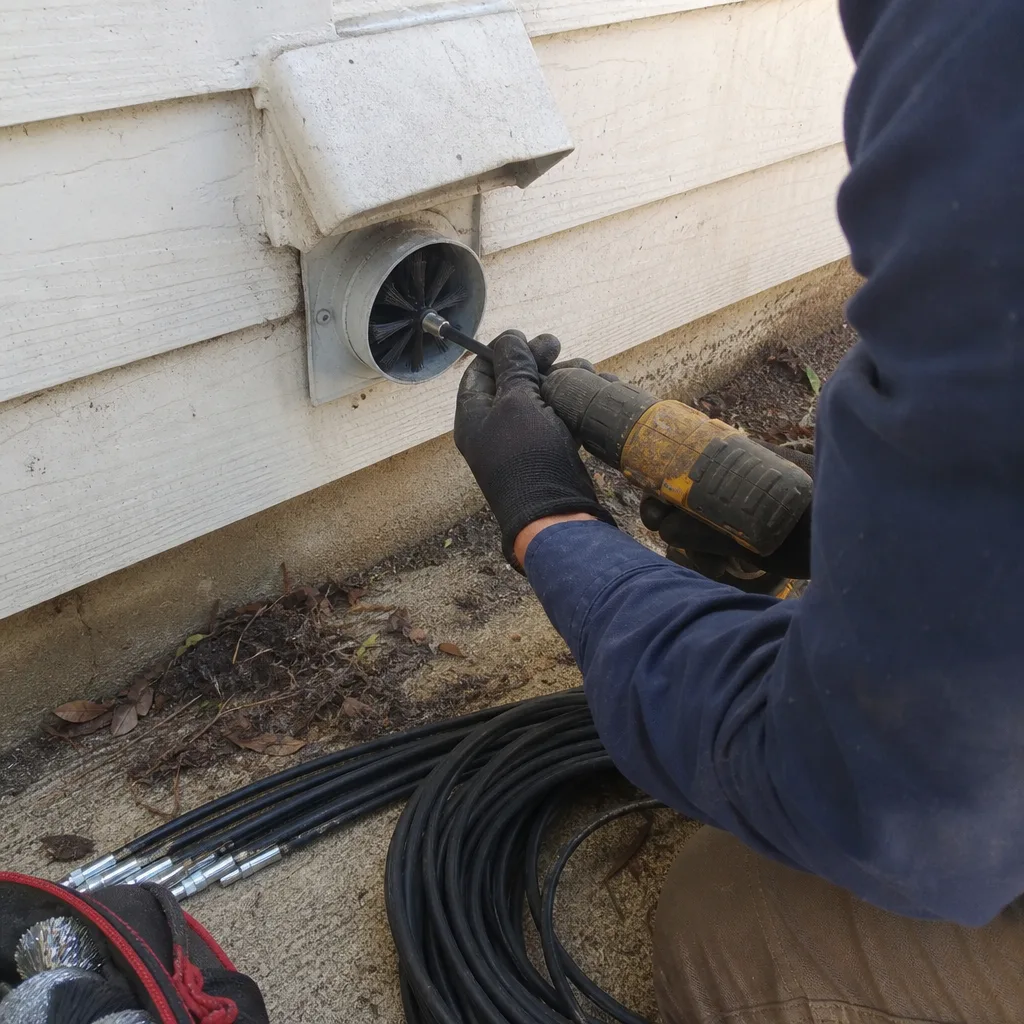
Short, straight dryer vents with exterior access can often be cleaned DIY with a brush kit and shop vac. Long runs (over 15 feet), multiple elbows, or vents terminating on the roof require professional equipment for safe, complete cleaning. Dryer Vent Cleaning in Houston from CleanRun addresses these complex configurations, and we document lint removal volume photographically. Dryer vent fires are a genuine hazard - if you cannot verify complete lint removal, call a professional.
DIY cleaning of registers and filters does not affect warranty coverage. DIY work on internal components, particularly coil cleaning or accessing the air handler, may void warranty terms if damage occurs. Most manufacturer warranties require professional service for coil and internal ductwork. Check your specific warranty documentation before proceeding.
The Bottom Line
DIY air duct cleaning in Houston has legitimate value for surface maintenance, visual inspection, and extending the effectiveness of professional service. It cannot replace negative-pressure source removal, trunk line agitation, coil cleaning, or documented verification. Houston’s humidity-bonded debris and microbial growth conditions make professional equipment and technique more necessary here than in drier markets.
The decision framework is straightforward: DIY for maintenance between professional cleanings, professional service for verified contamination removal and documentation. The cost difference is not trivial, but neither is the difference in what each approach produces. A $30 brush kit cleans 18 inches of register. A professional job with Rotobrush or Nikro equipment, documented photography, and written warranty addresses the system that actually affects your air.
For homeowners who want to see what their ducts contain before deciding, we encourage borescope inspection. Share what you find. We’ll put a written scope and price next to it, with no obligation.
Written by Tomas Reyes, Owner at CleanRun Air Duct Cleaning Houston, serving Houston since 2013.