
Whole-system duct and dryer vent check with before-and-after photos - you see exactly what came out of your vents
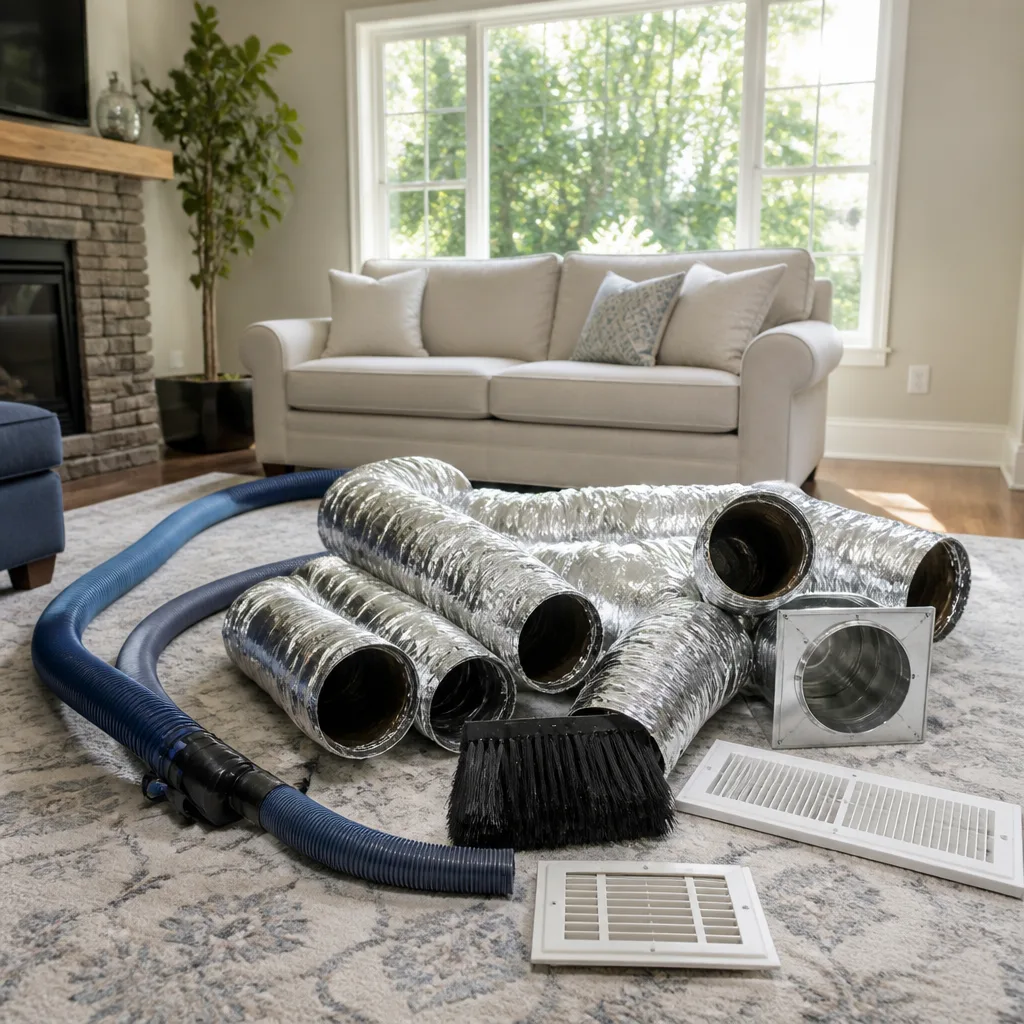
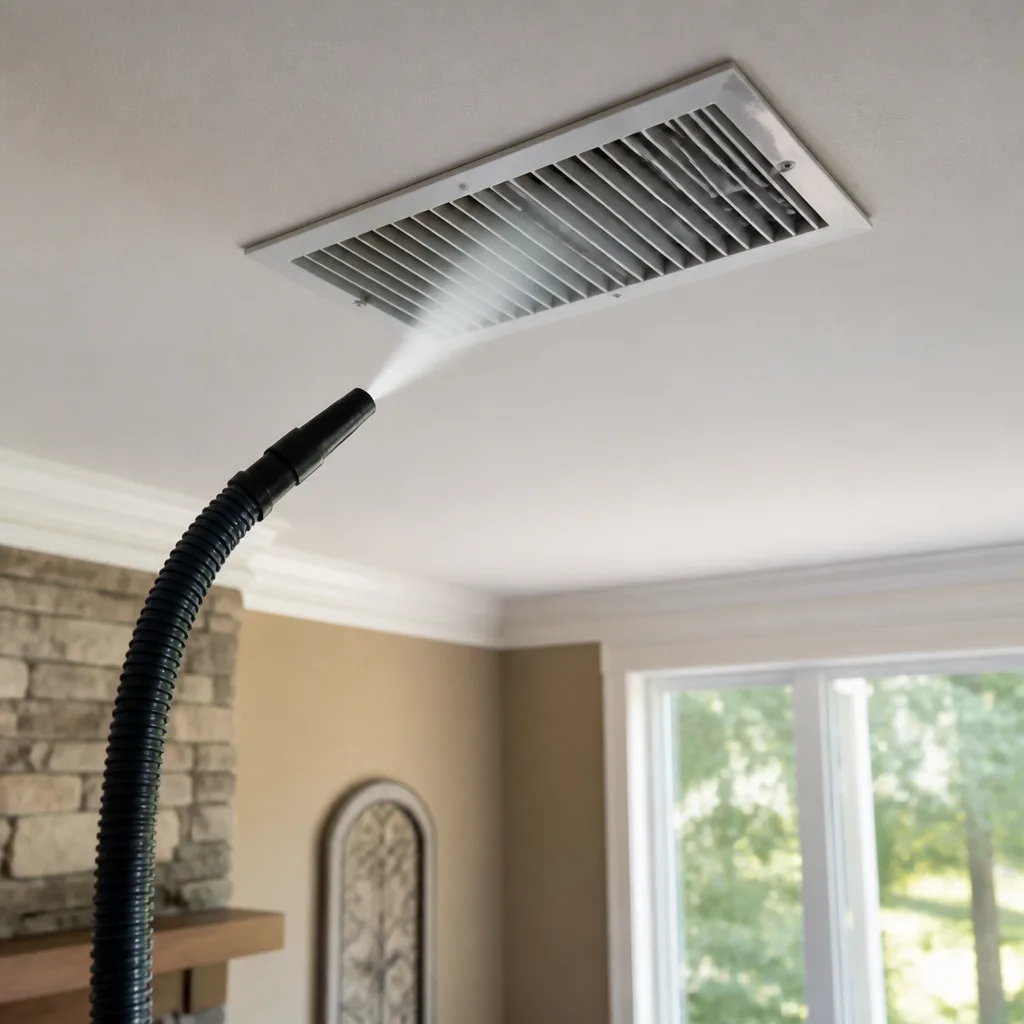
That "$99 whole-house special" is a bait ad - the real number appears once they are in your hallway, or the "clean" is a shop-vac at the register. We photograph the inside of your ducts before and after instead.
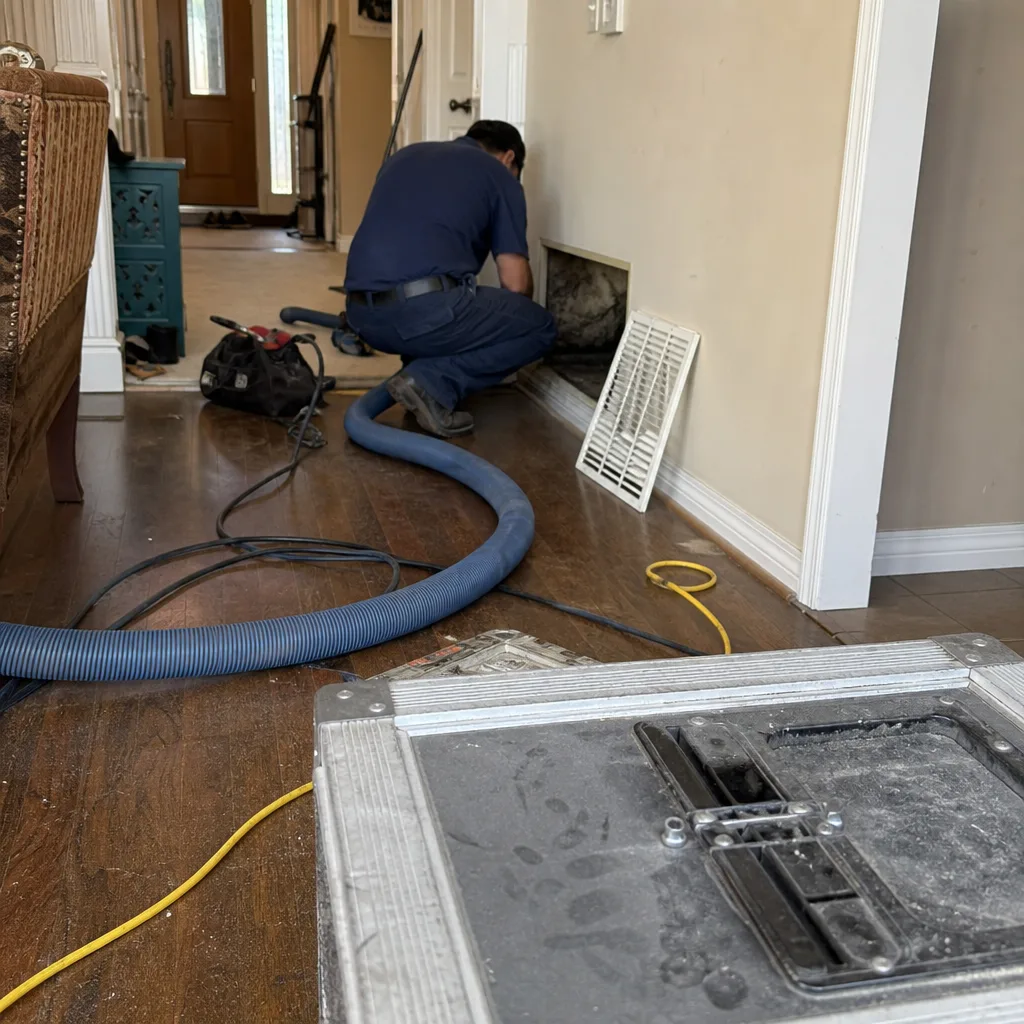 Before
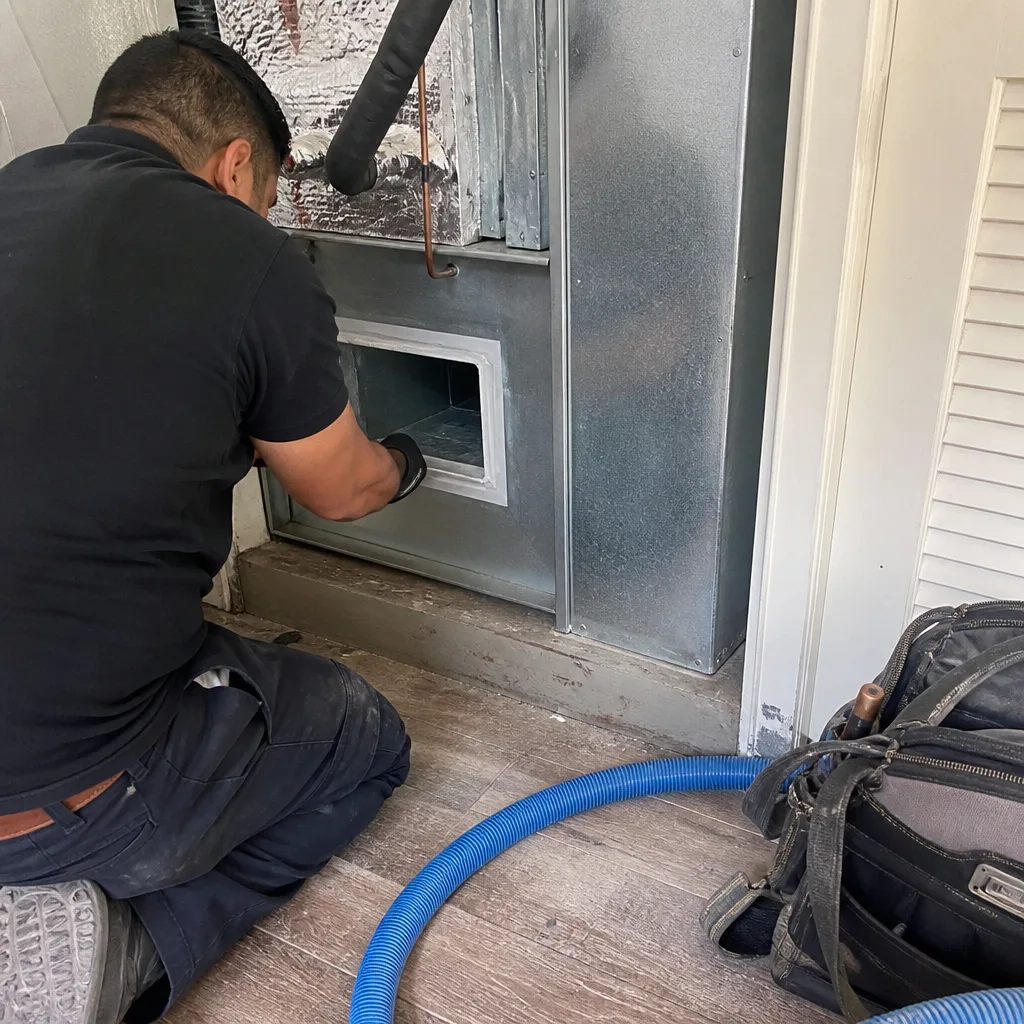 After
After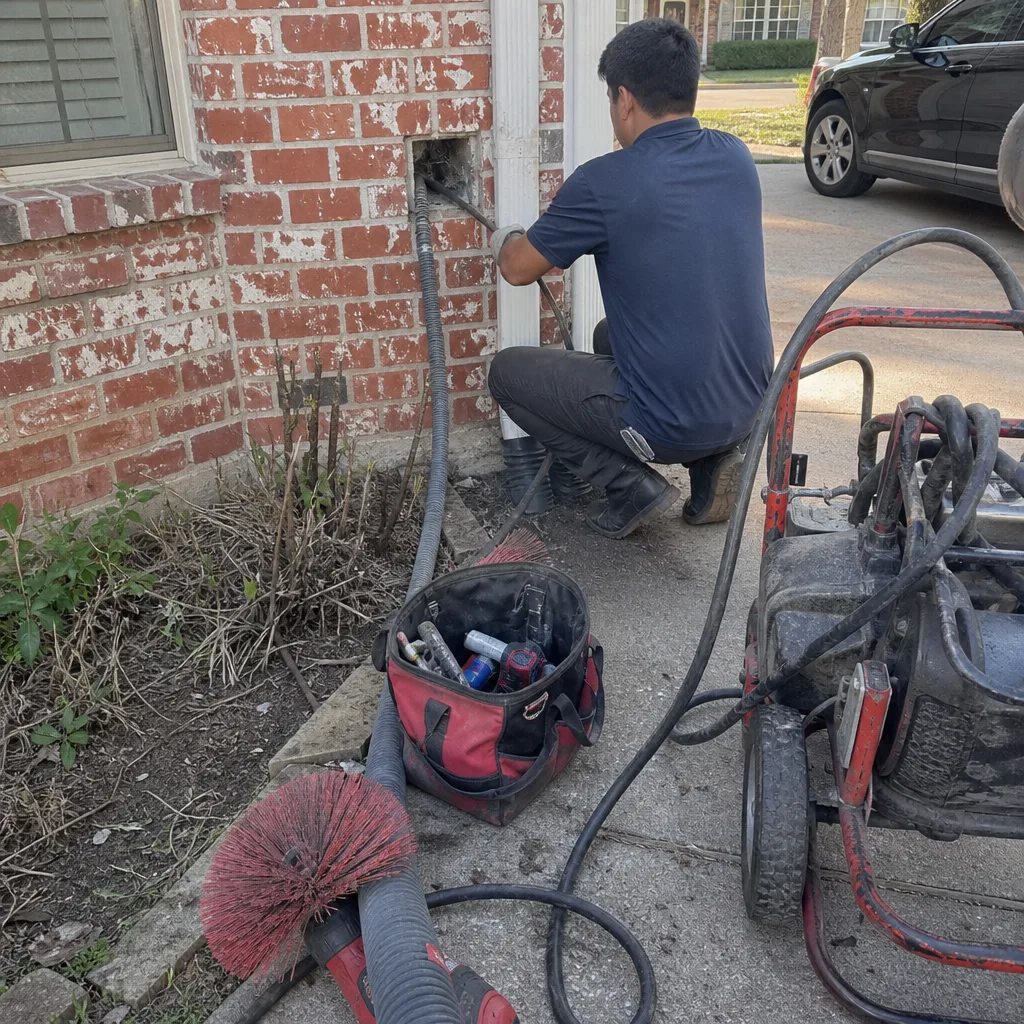 Before
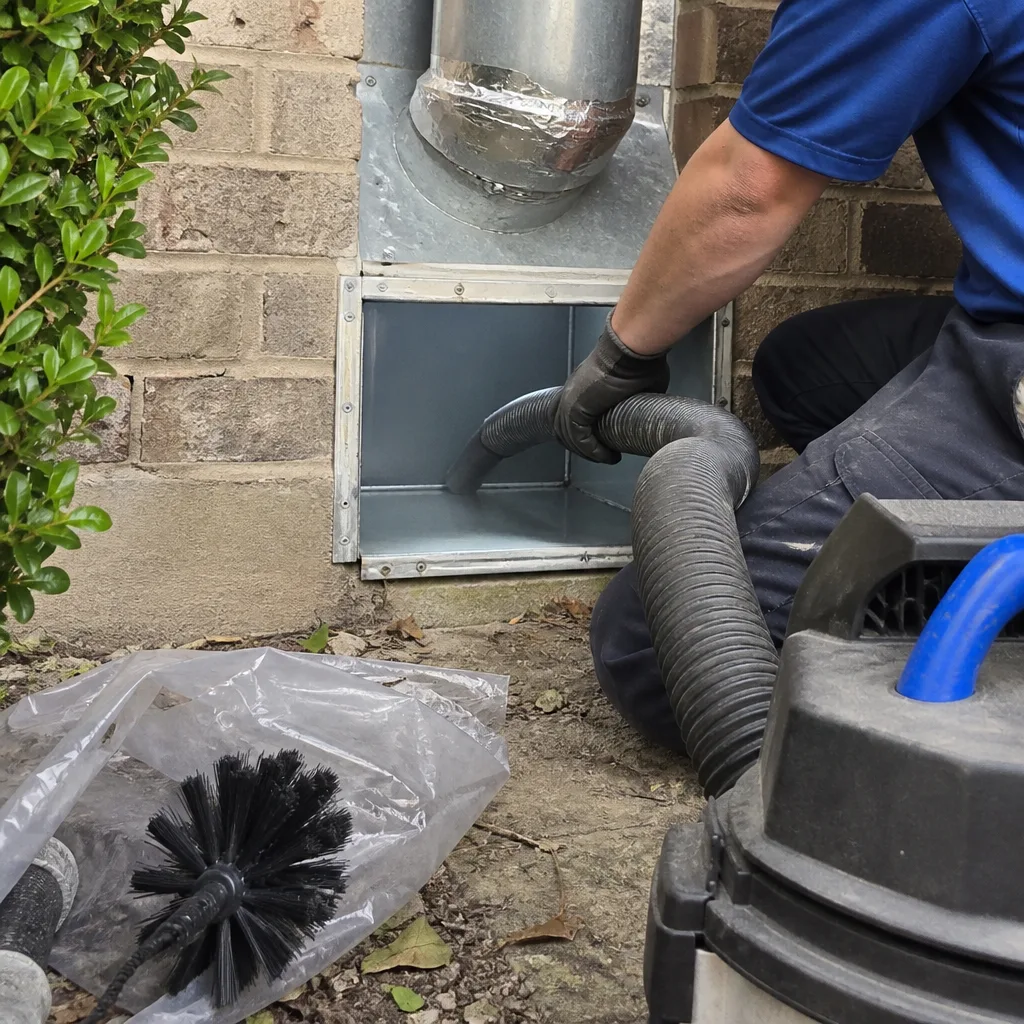 After
After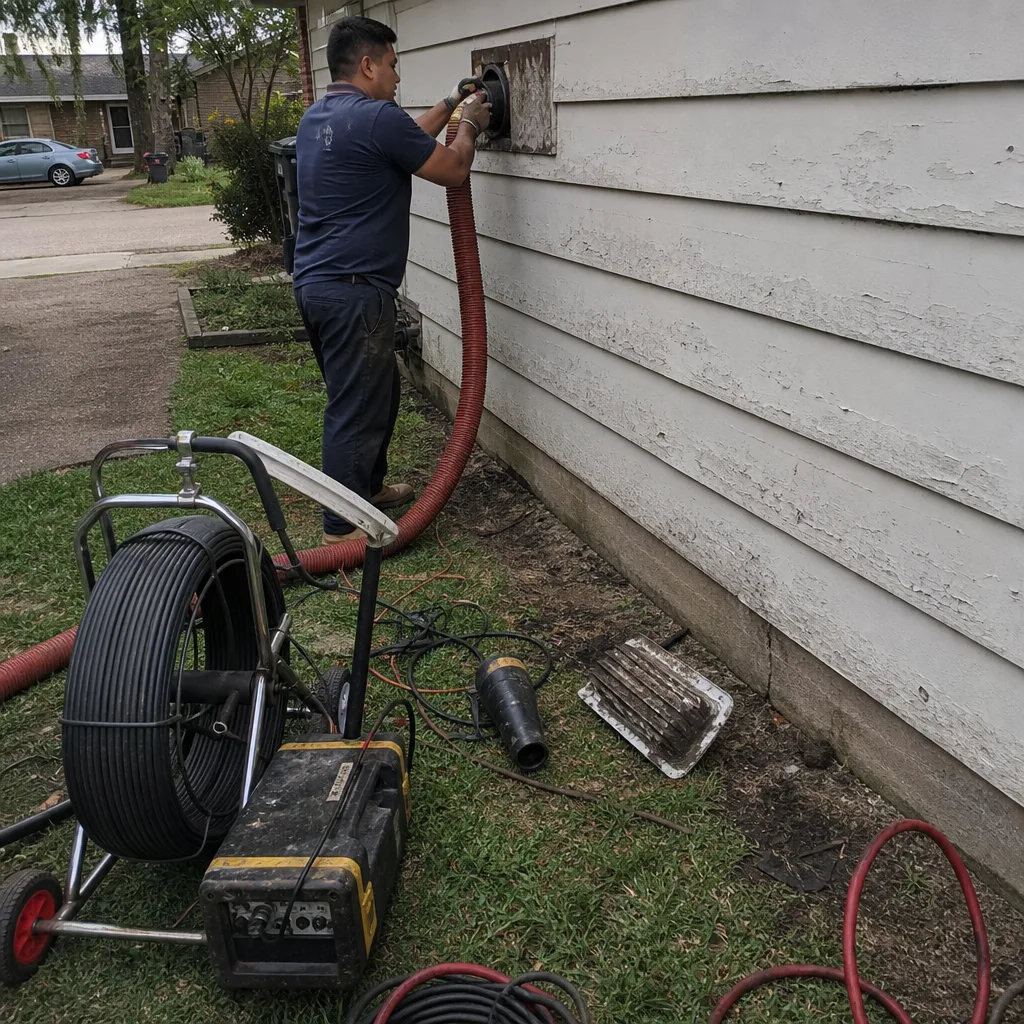 Before
 After
AfterDryer Vent Inspection in Houston, TX
A dryer vent inspection in Houston typically costs $75-$149 and takes 45-75 minutes, depending on vent length and access. A trained CleanRun technician runs a camera through the full duct run, documents what the lens picks up, and delivers a written price for any corrective work before touching a single fastener. If you’d like to schedule one, call (346) 251-8919 – a live person answers every call.
Most Houston homeowners don’t think about their dryer vent until the dryer takes two cycles to dry a load or a burning smell shows up in the laundry room. By that point, the duct run has usually been collecting lint, humidity, and – in the older ranch-style homes common in Meyerland and Westbury – nesting material from birds or rodents for years. A dryer vent inspection catches the problem in the camera, not in a fire report.
This page covers what the inspection includes, what we find inside Houston ducts specifically, how we price it, and what you’ll have in hand when we leave. If you’re already past the inspection stage and need a full cleaning, our Dryer Vent Cleaning in Houston page walks through that service in detail.
CleanRun has operated under the Haven Standard since 2013, and every inspection follows the same protocol regardless of home size or duct complexity: written price first, camera documentation before and after, photo record delivered to the customer as a standard job deliverable – not an optional add-on.
When You Need a Dryer Vent Inspection
Houston’s humidity creates conditions that accelerate lint compaction inside dryer ducts. A duct that might stay open for four years in a dry climate can close down in two here, particularly in homes with longer duct runs that terminate through an exterior brick wall rather than a soffit. Below are the specific situations where an inspection gives you a clear picture instead of a guess.
- Drying times have increased noticeably. If a standard cotton load that used to finish in 45 minutes now needs 70 or more, the duct is almost certainly restricted. Restricted airflow forces the dryer to work harder, raises element temperature, and increases wear on the appliance – all before the fire risk enters the conversation.
- The exterior vent cap stays closed or barely opens during a cycle. The flapper on a dryer vent cap should swing fully open when the dryer runs. If it barely moves, the duct has enough restriction to block most of the exhaust. In Houston’s older Heights and Montrose bungalows, we often find the original duct runs were installed with too many 90-degree elbows, and decades of lint have sealed them almost shut.
- You smell burning or a musty odor when the dryer runs. A burning smell points to lint heat-loading inside the duct. A musty odor in a Houston home usually indicates condensation build-up caused by a duct breach or disconnection – humid Gulf air infiltrating a break in the duct line and keeping the interior wet between cycles.
- It’s been more than 12 months since the last cleaning or inspection. Houston homes average one to two loads of laundry per day per household. At that rate, a standard 8-foot duct run accumulates enough lint to warrant an annual look. Longer runs, multi-family configurations, or homes with pets push that interval shorter.
- You’ve moved into a resale home and have no service history. A large share of the inspections we perform in the Energy Corridor and Pearland are requested by buyers within the first six months of ownership. The previous owner’s maintenance records rarely include dryer vent service, and the duct condition is genuinely unknown.
- The dryer is installed on an interior wall with a long duct run. Houston’s open-plan construction trends from 2015 onward placed laundry rooms deep inside floor plans. Duct runs of 20 feet or more, routed through attic space in high-humidity conditions, need more frequent checks than a short exterior-wall installation.
Our Dryer Vent Inspection Process
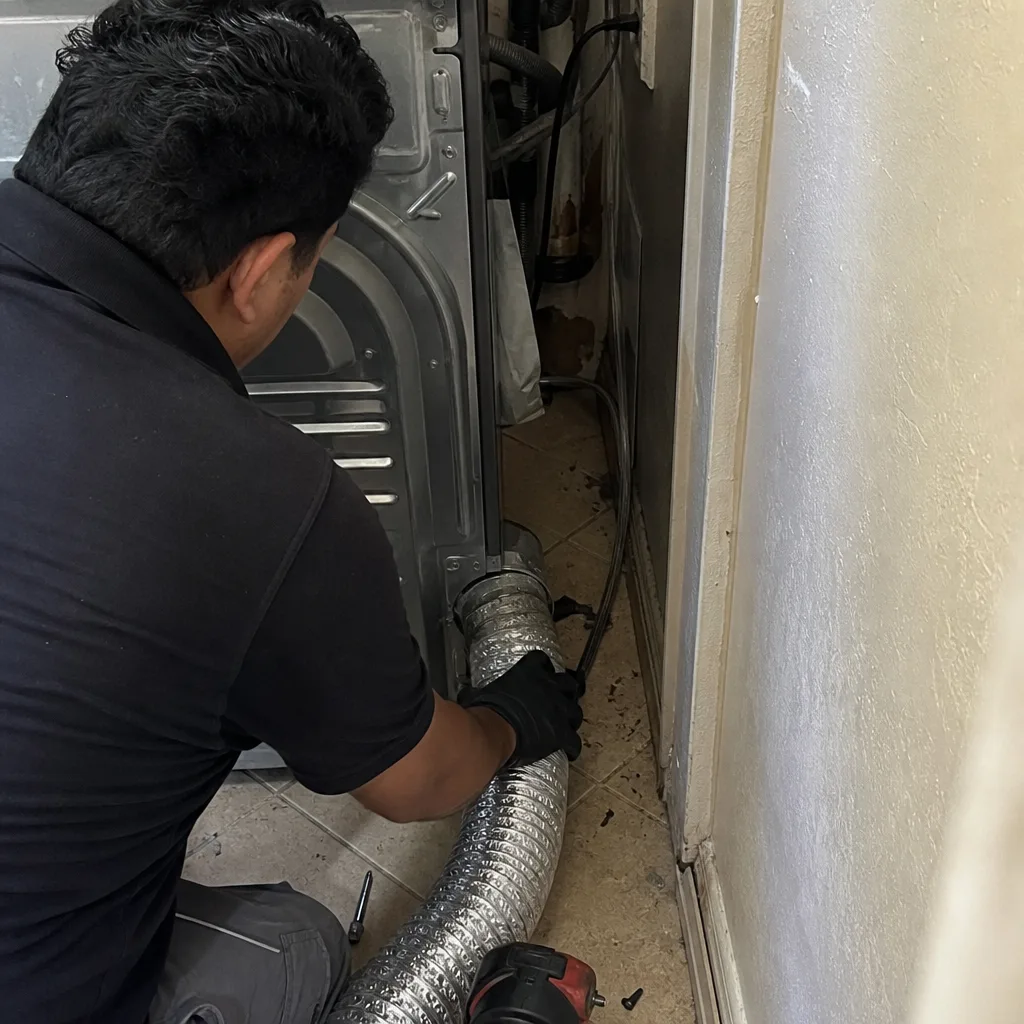
Every inspection follows the same documented sequence. Tomas Reyes built this protocol when CleanRun ran its first jobs in 2013, and it hasn’t changed because the duct doesn’t change – lint, moisture, and mechanical failure show up the same way regardless of the neighborhood. What follows is exactly what happens on the day of service.
- Pre-inspection walkthrough and written price. Before any equipment comes out of the truck, the technician walks the laundry room with you, identifies the dryer model, traces the duct path to its exterior termination point, and delivers a written price for the inspection. Haven Standard Clause 1 applies without exception: no work starts without a number in writing. This takes roughly five minutes and eliminates any conversation about price after the fact.
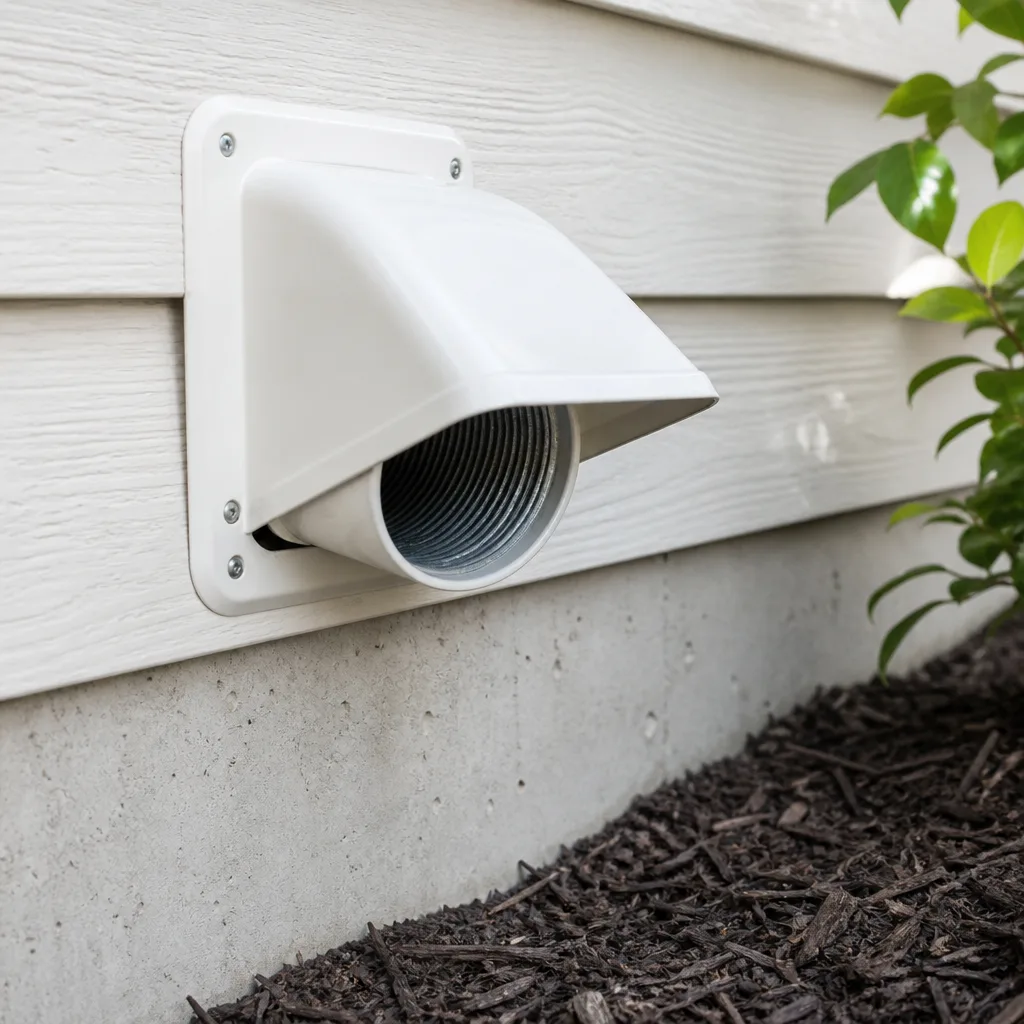
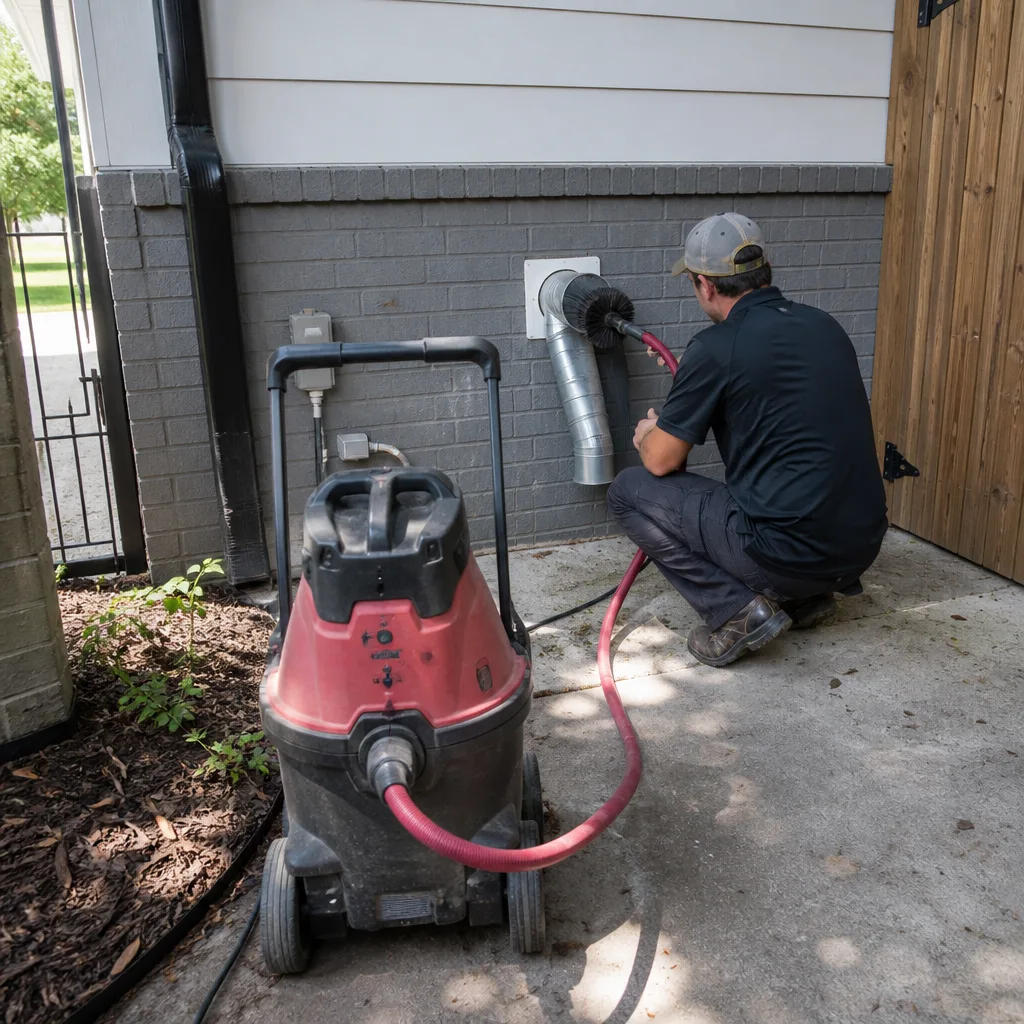
- Exterior termination inspection. The technician goes outside and physically examines the vent cap or wall louver. We check whether the flapper opens freely, whether the screen (if present – screens should not be on dryer vents, and many Houston installations still have them) is clogged or absent, and whether the cap is correctly seated against the exterior surface. A camera photograph is taken at this stage and logged as part of the job record.
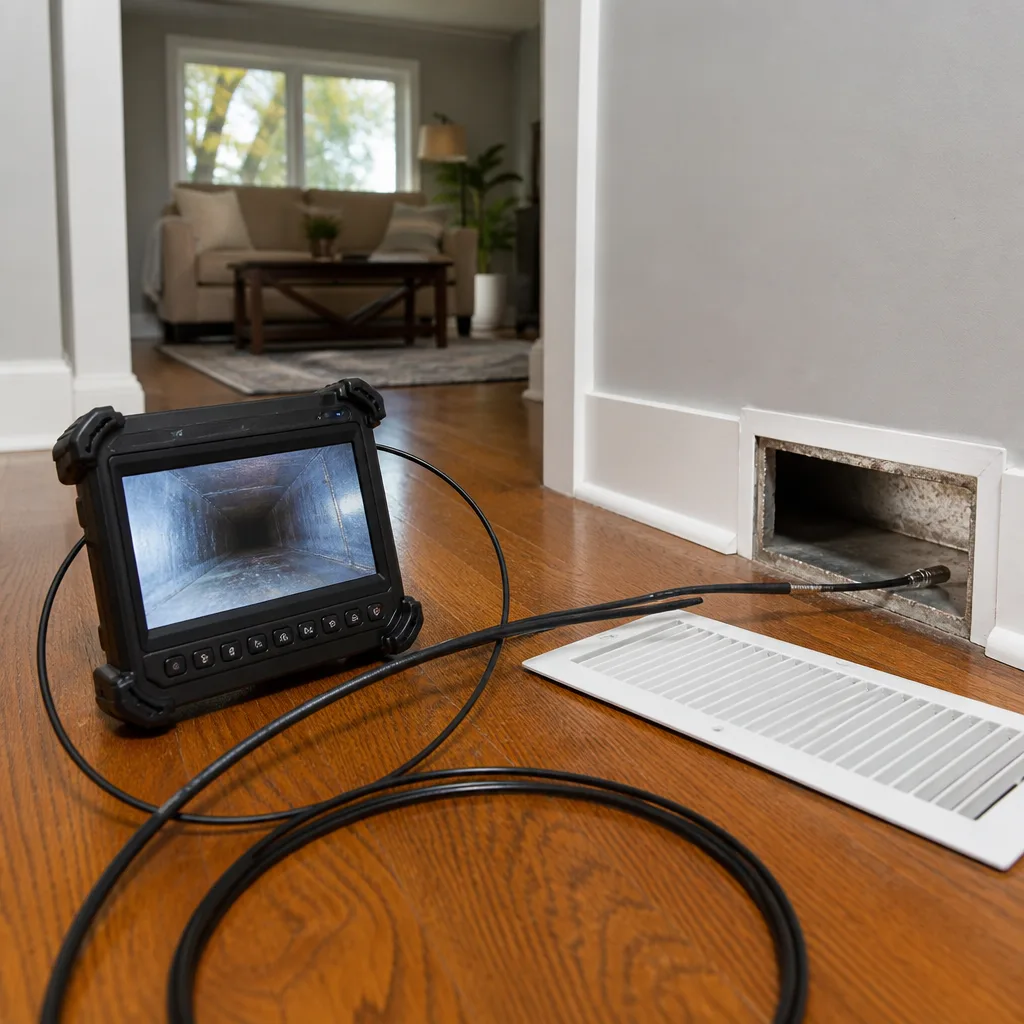
- Camera insertion and full duct run documentation. A flexible borescope camera is fed through the duct from the dryer connection point toward the exterior termination. The camera records what’s inside: lint accumulation depth at elbows and transitions, any visible disconnections in the duct joints, evidence of moisture or mold, nesting material, and whether the duct material itself (foil, semi-rigid aluminum, or rigid aluminum) is in serviceable condition. In Houston attic installations, we pay particular attention to duct segments that pass through unconditioned space, where summer attic temperatures above 130 degrees accelerate material degradation.
- Airflow measurement at the exterior cap. Using an anemometer – a handheld device that reads air velocity in feet per minute – the technician measures actual exhaust airflow while the dryer runs. Most manufacturers specify a minimum exhaust velocity; we record the reading and note whether it falls inside or outside that range. This single number tells you objectively whether the vent is performing, regardless of how the duct looks to the naked eye.
- Written findings and photo record delivered. The technician documents all camera findings, the airflow reading, and the exterior condition into a written report. Every photograph taken during the inspection is included. If corrective work – cleaning, a section repair, a cap replacement – is needed, a written price for that work is added to the same document before any recommendation is made verbally. The customer has the full picture in writing before deciding anything.
- Recommendations and next steps. If the inspection finds a duct that’s in acceptable condition, you’ll have documentation confirming that and a recommended interval for the next check. If the duct needs cleaning or repair, the written price is already in hand and work can proceed the same day in most cases. There’s no second visit to get a quote; the inspection IS the quote process.
All equipment used in the inspection process – including the camera system and diagnostic tools – meets the standard we hold across every CleanRun job. Where Vent Cleaning follows an inspection, we bring in Rotobrush and Nikro equipment, so the diagnostic and the corrective work are done with professional-grade tools, not a shop vac and a leafblower.
BeforeAfterDryer Vent Inspection Pricing in Houston
Dryer vent inspection in Houston runs $75-$149 for most residential configurations. The price is written before work starts – Haven Standard Clause 1 – and the range reflects real differences in job complexity, not negotiating room.
| Configuration | Typical Price Range |
|---|---|
| Standard single-story, duct run under 10 feet, exterior wall termination | $75-$95 |
| Two-story or slab home, duct run 10-20 feet, roof or soffit termination | $95-$120 |
| Long duct run (20+ feet), attic routing, or multiple elbows | $120-$149 |
| If cleaning is added same day after inspection findings | Inspection fee applied toward cleaning total |
A few things affect where your job lands in that range. Duct length matters most – a 25-foot run routed through an attic in a newer Sugar Land home takes more time to camera than an 8-foot run in a Timbergrove bungalow. Termination point access is the second factor: a vent cap at ground level on a brick exterior is straightforward; a roof cap on a two-story hip-roof takes more time to inspect safely. If the duct run requires disconnecting the dryer or accessing a chase from the attic, that’s noted in the written price before any of it happens.
The photo record, the written findings, and the airflow measurement are included in every inspection at every price point. They’re not add-ons.
If a competitor has given you a written estimate for dryer vent inspection or cleaning, bring it. CleanRun puts its own number next to it in writing, free, so you have a direct comparison. That’s a standing offer – no appointment needed to get the second opinion in writing.
To get a written price for your specific home, call (346) 251-8919. Estimates are free and the price doesn’t change once it’s written.
What Houston’s Climate Does to Dryer Vents
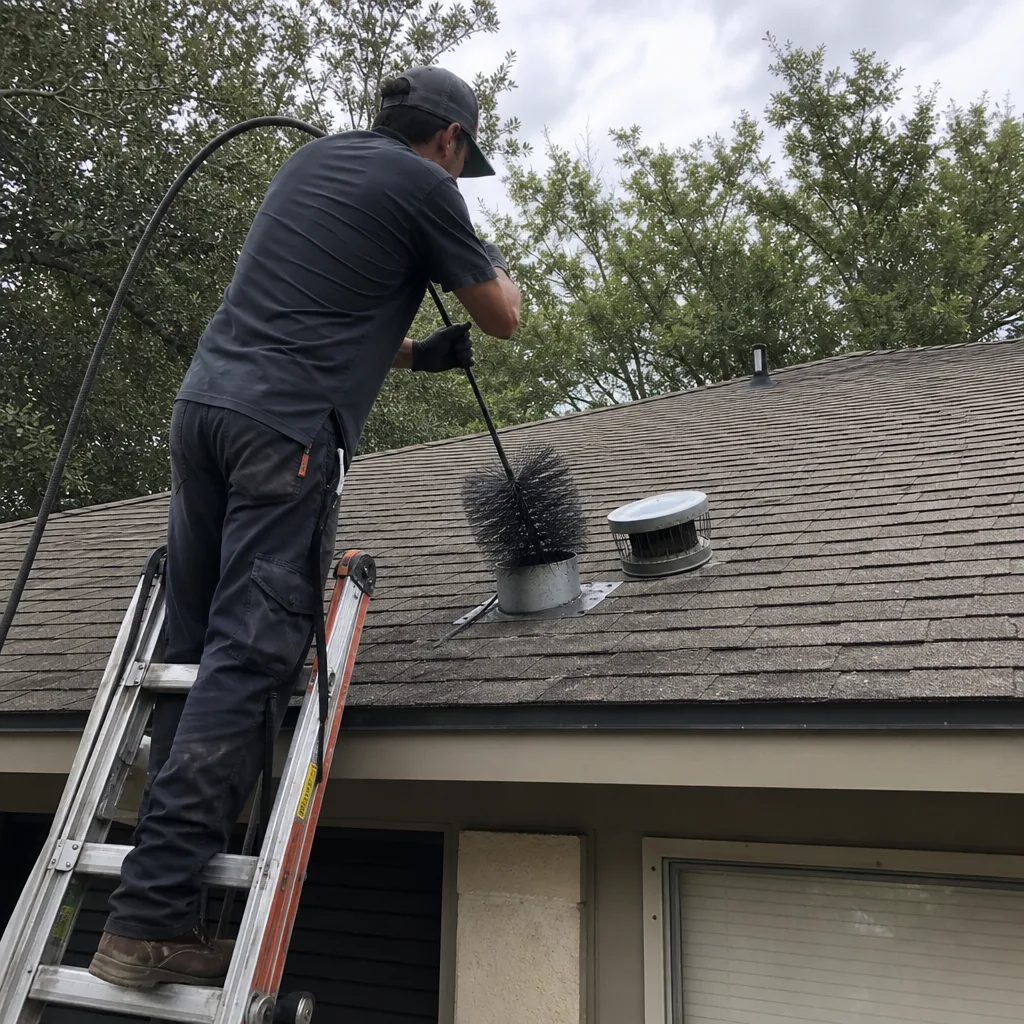
Houston’s Gulf Coast humidity isn’t incidental to dryer vent performance – it’s a primary factor in how fast ducts degrade and how dangerous the buildup becomes. A few patterns we see repeatedly across Houston neighborhoods are worth understanding before the camera goes in.
Condensation inside the duct is common in homes where the duct passes through unconditioned attic space. In July and August, when attic temperatures in Houston regularly exceed 130 degrees Fahrenheit, the thermal difference between the cool, moist air inside the laundry room and the superheated air surrounding the duct creates condensation on the interior duct walls. Lint sticks to wet metal the way it doesn’t stick to dry metal. Over a season or two, a duct that was clear becomes layered. By the time we camera a Houston attic run that hasn’t been inspected since 2020, we often find the first elbow has a lint deposit three to four inches thick – compacted, damp, and very different from the dry, fluffy lint most homeowners picture.
Bird nesting is a second Houston-specific problem. The vent caps on homes in older neighborhoods – Oak Forest, Garden Oaks, Lazybrook – tend to use louvered metal caps that sparrows and starlings treat as permanent housing. A nest at the exterior cap doesn’t just restrict airflow; it creates a solid plug with nesting material that can ignite. We photograph every exterior cap before and after, so this is never a matter of speculation.
Foil flex duct – the silver accordion-style tubing used in the majority of Houston residential installations through about 2010 – is particularly prone to interior sagging and kinking. A kinked section acts as a lint trap. A sagging section holds condensate. Neither condition is visible from outside the duct without a camera, and neither shows up in a simple airflow check at the dryer. The camera is the only tool that tells you what’s actually happening inside a foil flex run.
FAQs – Dryer Vent Inspection in Houston
How is a dryer vent inspection different from dryer vent cleaning?
An inspection uses a camera to document the current condition of the duct run – what’s inside, where restrictions exist, whether the duct itself is intact – without necessarily removing anything. Cleaning uses mechanical agitation (rotating brushes, negative-pressure extraction) to physically remove the lint and debris the camera found. Most inspections either confirm the duct is clear or identify what needs to be cleaned, which is why we apply the inspection fee toward the cleaning total when both happen on the same visit. If you already know the duct is due for a cleaning based on timing or symptoms, you can book the full cleaning directly through our Dryer Vent Cleaning in Houston service – the inspection is built into that process.
How much does a dryer vent inspection cost in Houston?
A dryer vent inspection in Houston costs $75-$149 for residential configurations, written and confirmed before any work starts. Standard single-story homes with short duct runs fall toward the lower end. Homes with attic-routed ducts, long runs, or roof terminations fall toward the higher end. The written price you receive before we start is the price you pay – there’s no final invoice that looks different from the quote. Call (346) 251-8919 for a written price specific to your home’s configuration.
Can you do the inspection and cleaning in one visit?
Yes, and that’s how most Houston jobs go. The technician cameras the duct first, documents the findings, and delivers a written price for the cleaning on the same sheet. If you approve our Dryer Vent Cleaning services, the cleaning starts immediately – we carry Rotobrush and Nikro equipment on every truck for exactly that reason. Same-day completion is the norm for standard residential configurations. For longer commercial-style runs or heavily restricted ducts that require section access, we’ll note if a second visit is needed before any work begins.
How often should a dryer vent be inspected in Houston?
In Houston’s climate, once every 12 months is the practical interval for a household doing one to two loads per day. Homes with longer duct runs (over 15 feet), attic routing, or multiple 90-degree elbows are better served by an inspection every 9-10 months, because lint accumulates faster in configurations with more resistance. Homes with pets – particularly heavy-shedding breeds – often need inspection at 9 months regardless of duct length. If a previous inspection found bird nesting or moisture damage, we’ll note a specific recommended interval in the written findings rather than defaulting to a generic answer.
Is a dryer vent inspection covered under the 365-Day Done Right Promise?
The 365-Day Done Right Promise applies to corrective work performed after an inspection – cleaning, duct repair, cap replacement. If we clean or repair the vent and the condition we addressed returns within 365 days under normal use, we make it right at no additional charge. The promise is written on every job document, not stated verbally and then qualified later. The inspection itself is a diagnostic service; what the 365-day coverage attaches to is the physical work that follows from the findings.
Why CleanRun for Dryer Vent Inspection in Houston
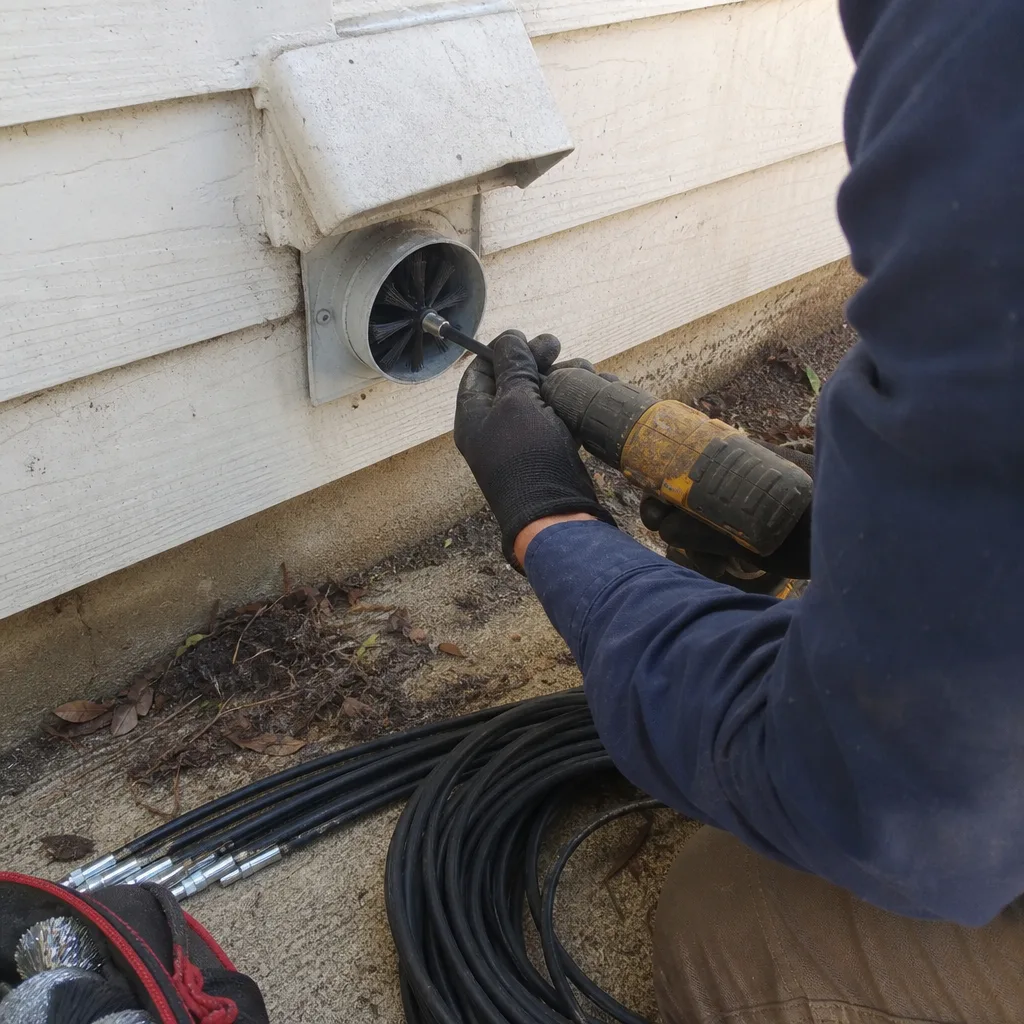
The Houston market has no shortage of $79 dryer vent specials. Most of them involve a shop vac at the dryer connection point, no camera, no airflow measurement, and a verbal assurance that everything looks good. We know because we inspect ducts behind those visits regularly – the camera shows us what the shop vac missed, which is usually most of what was in there.
CleanRun has served Houston homeowners since 2013, across more than 52,000 jobs, every one of them quoted in writing before work started and documented with photographs when the crew left. That’s not a marketing claim; it’s a record that exists in writing for every job number in our system.
Tomas Reyes built this company on one premise: show the customer what you found before you tell them what it costs. The camera does that. The photo record does that. The written price before any work starts does that. The home page has the full picture of who we are and how we operate if you want it. But the fastest way to see the difference is to book an inspection and hold the before-and-after photos side by side when we’re done.
Call (346) 251-8919 to schedule a dryer vent inspection in Houston. A live person answers every call. The written price arrives before we open a panel.
Written by Tomas Reyes, Owner at CleanRun Air Duct Cleaning Houston, serving Houston since 2013.