
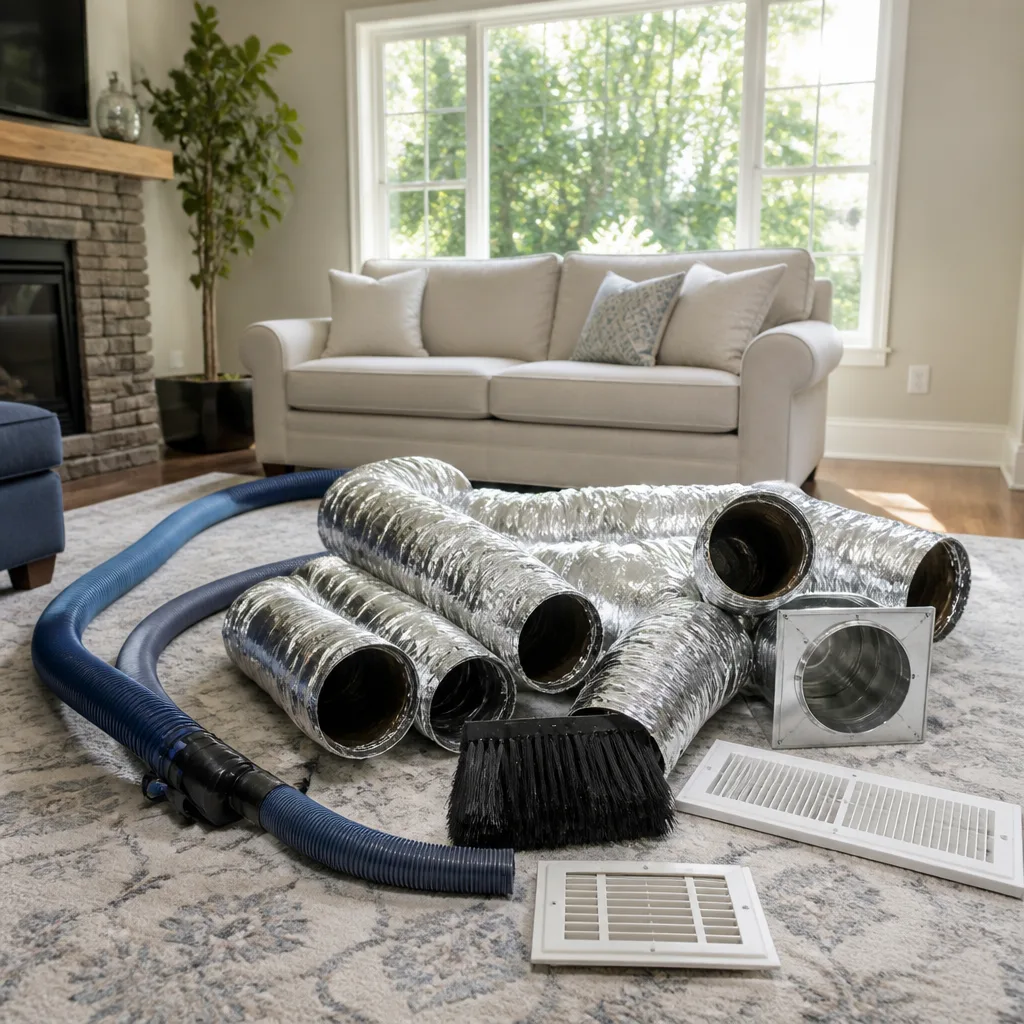
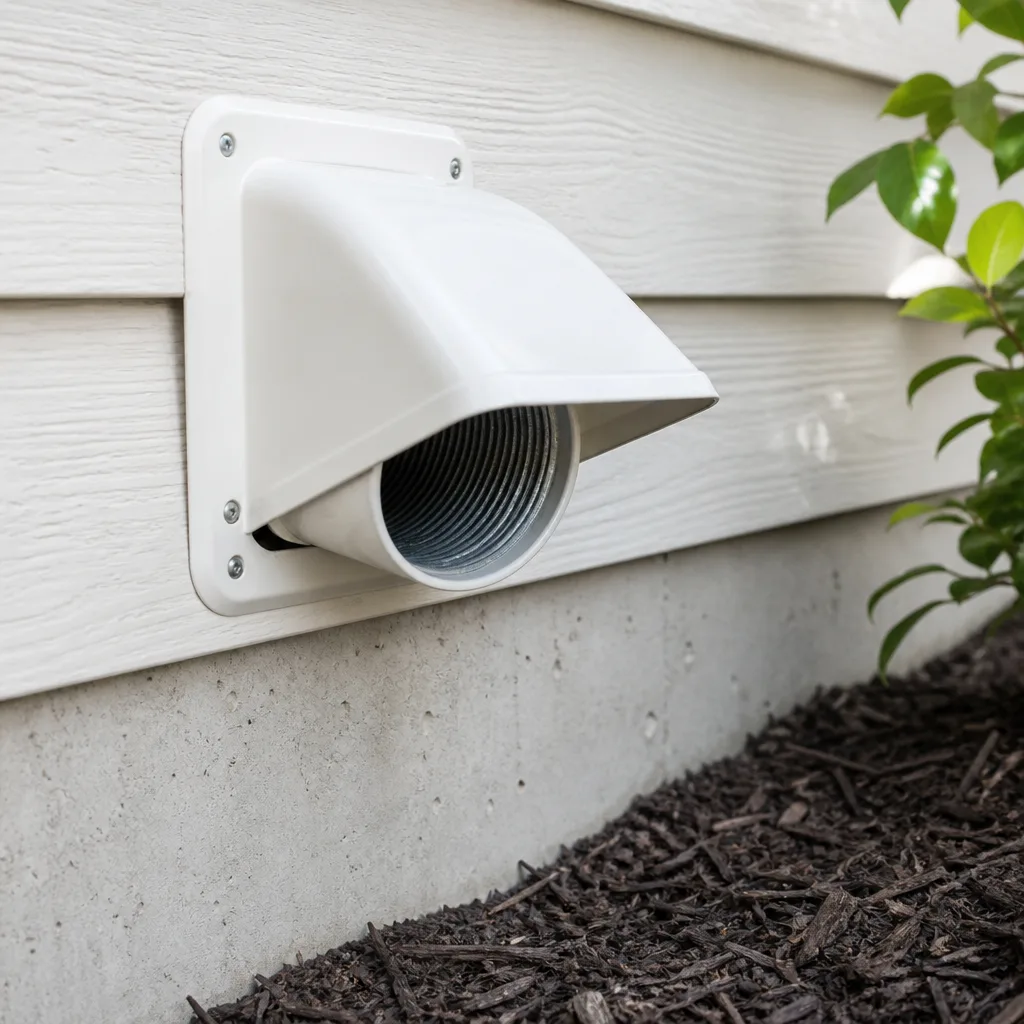
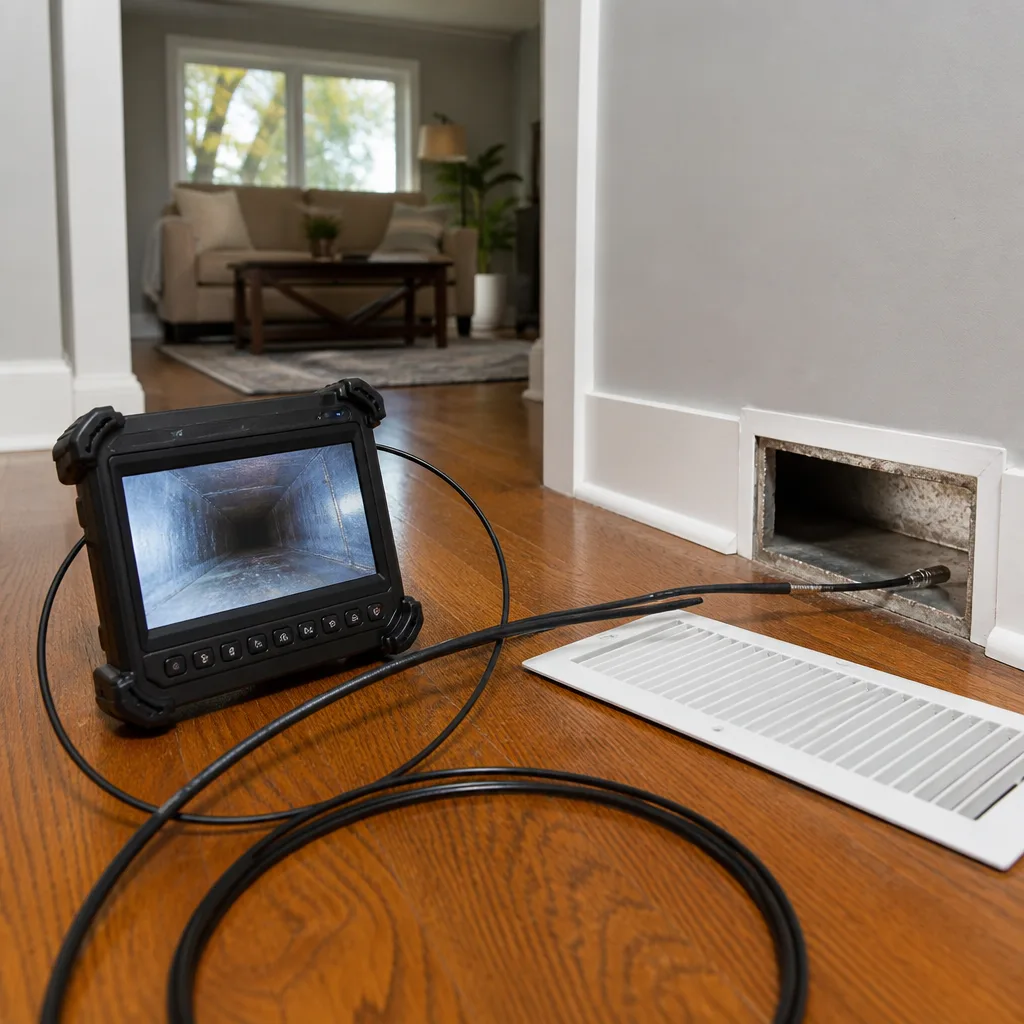
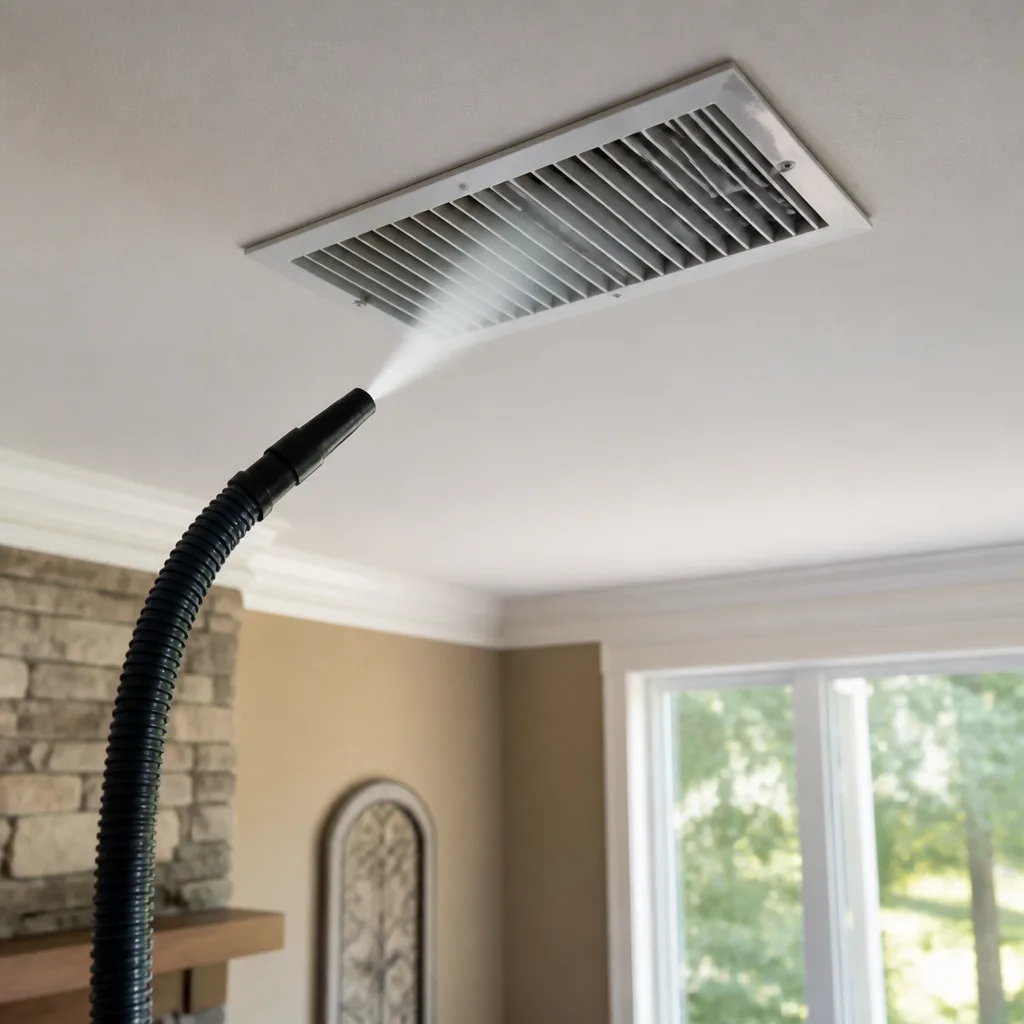
Whole-system duct and dryer vent check with before-and-after photos - you see exactly what came out of your vents
That "$99 whole-house special" is a bait ad - the real number appears once they are in your hallway, or the "clean" is a shop-vac at the register. We photograph the inside of your ducts before and after instead.
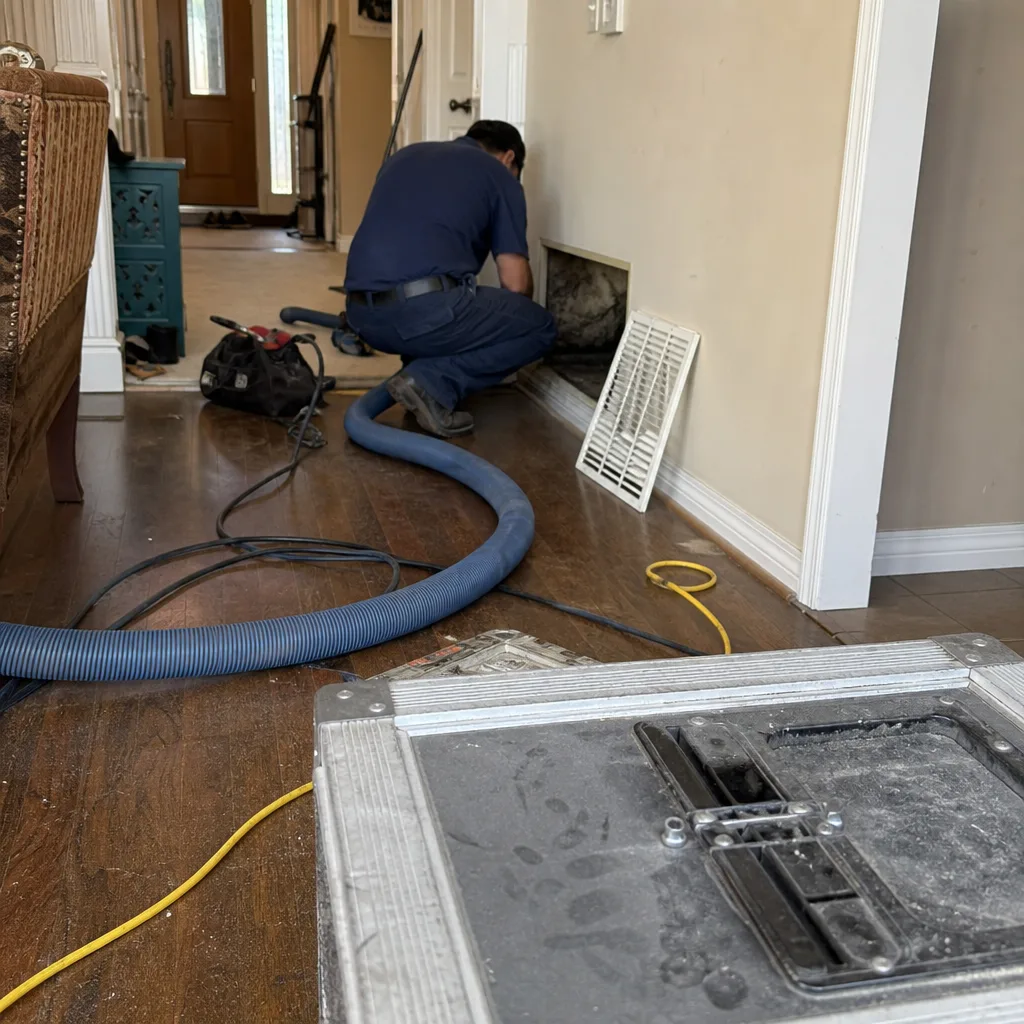 Before
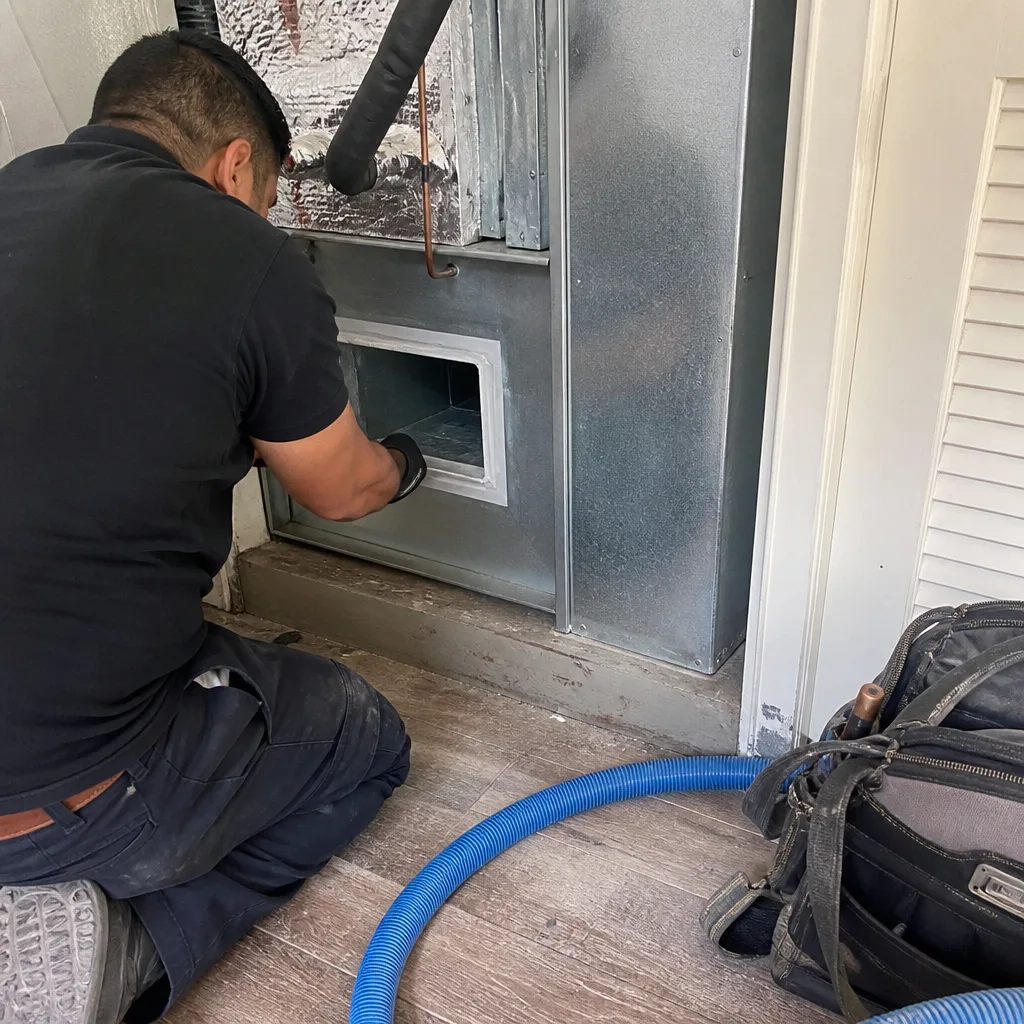 After
After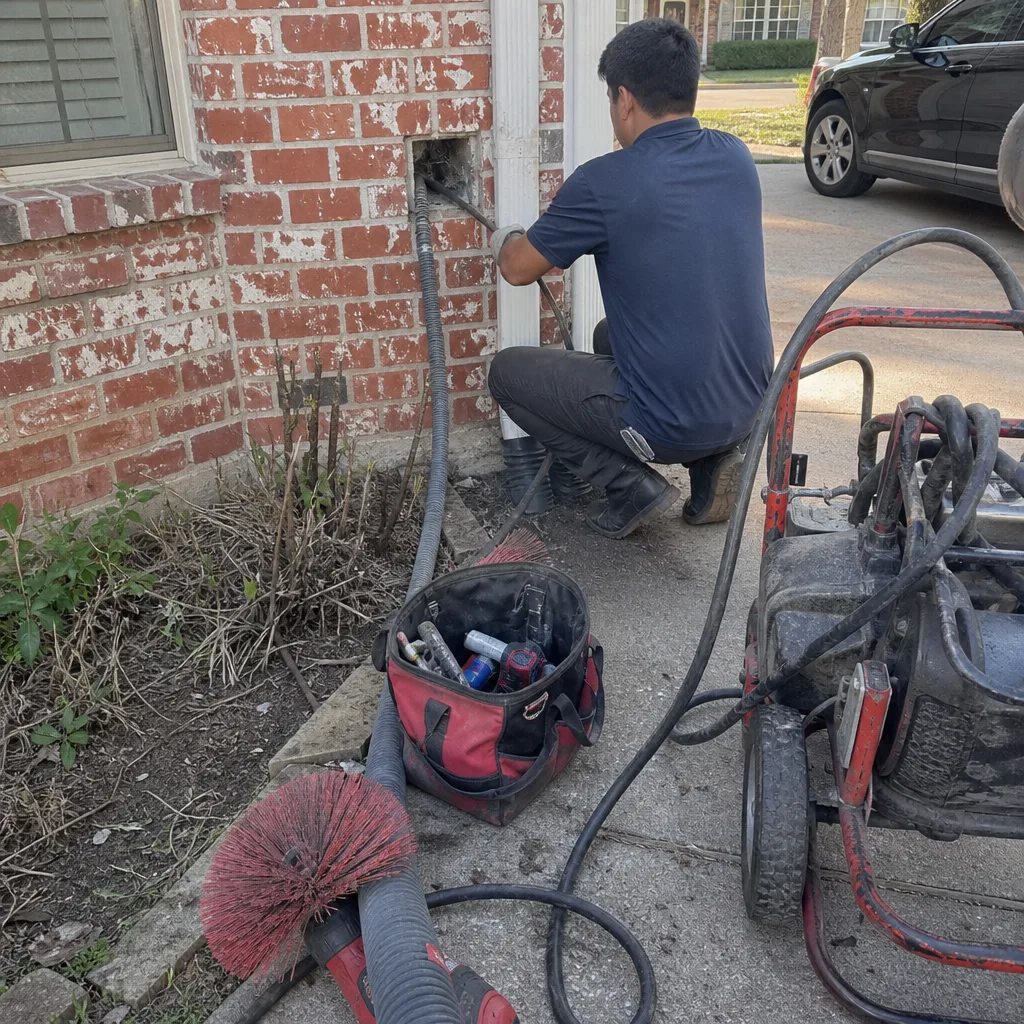 Before
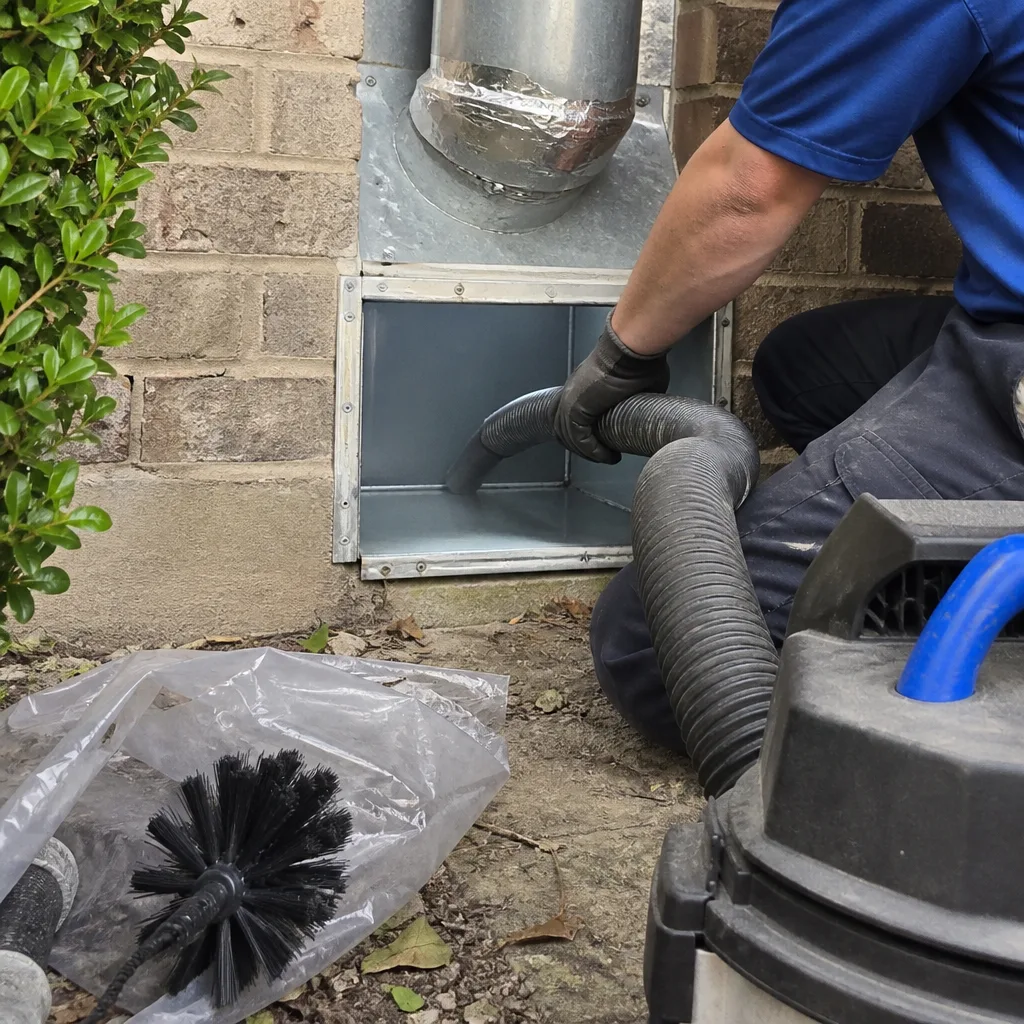 After
After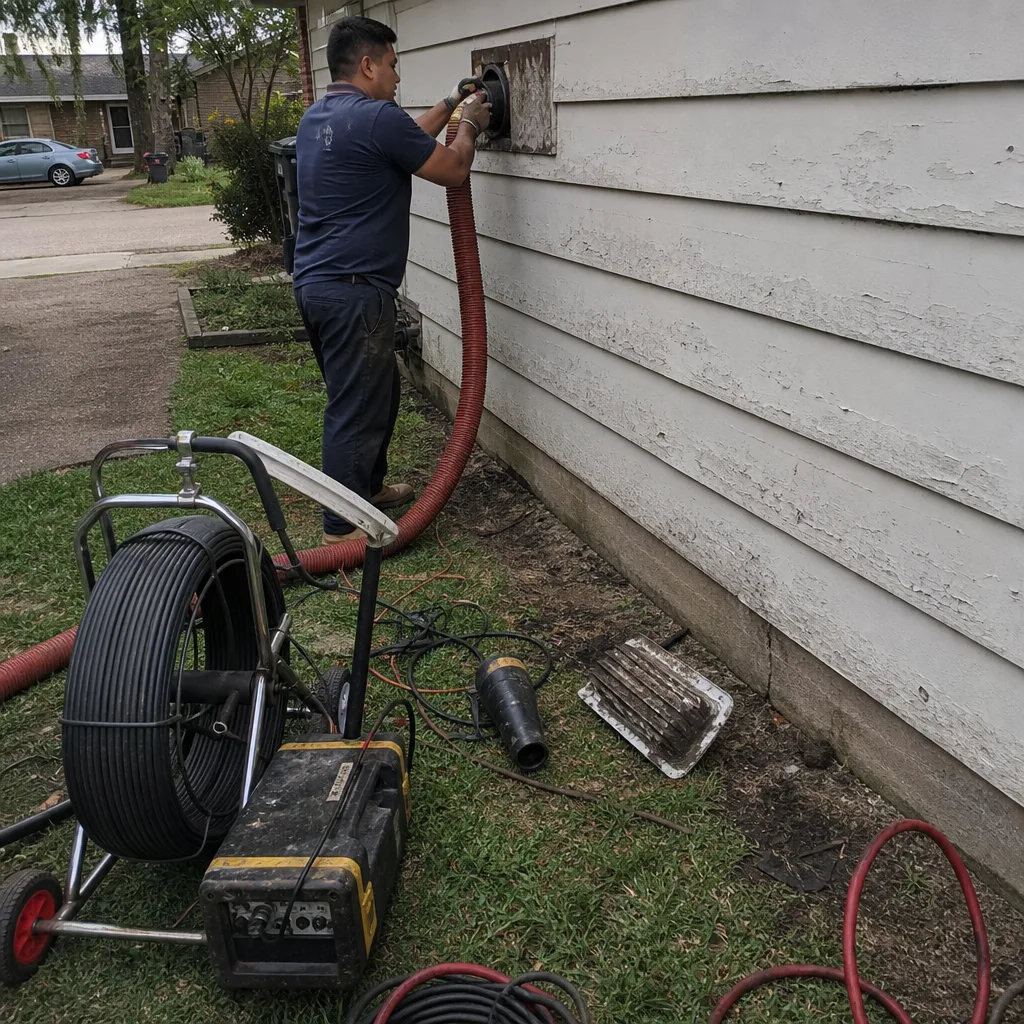 Before
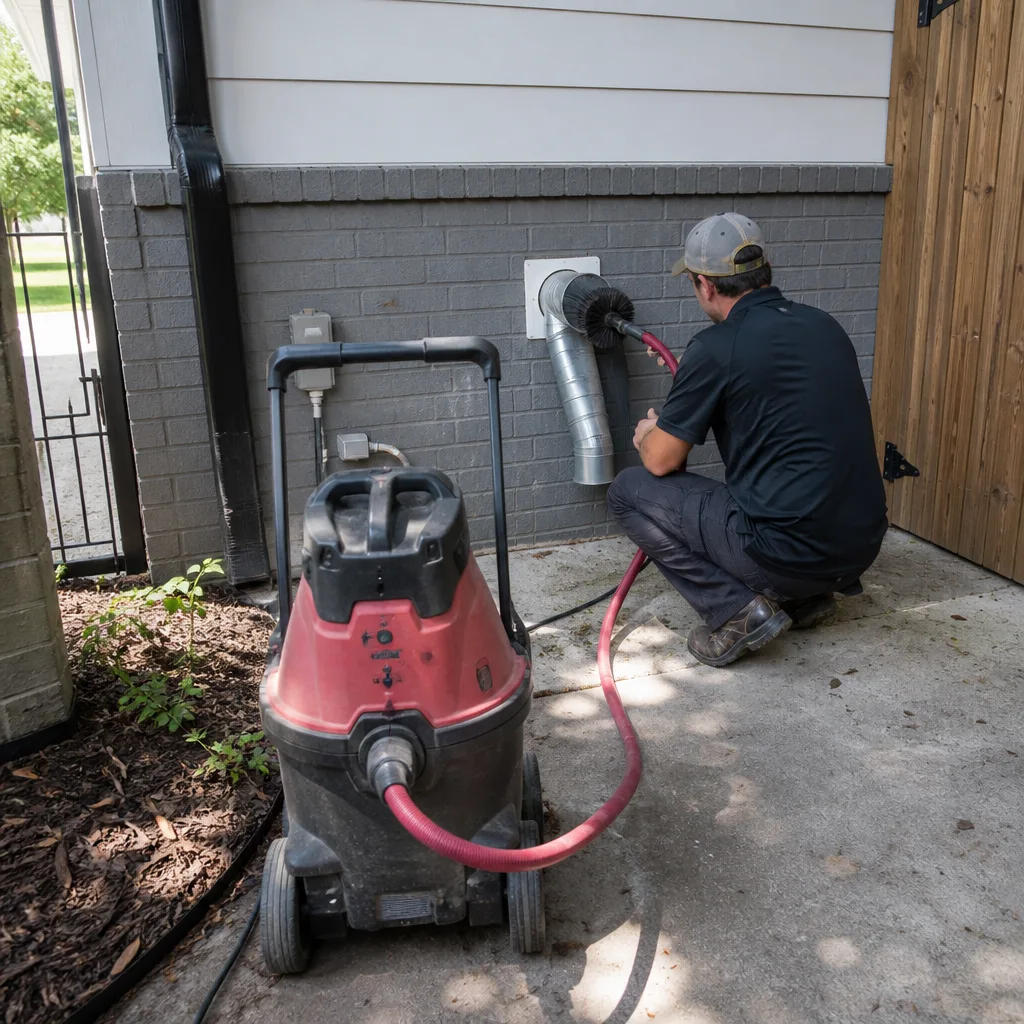 After
AfterNikro Vent Sanitizing: The Houston Owner’s Guide
We stock and install Nikro-compatible vent sanitizing components for Houston homeowners, with typical installed pricing between $340 and $580 depending on system configuration and accessibility. Most replacements are completed in a single visit because we carry the common Nikro UV-C and fogger sanitizing modules on our trucks. Homeowners usually discover the failure when they notice persistent musty odors returning within days of cleaning, or when their HVAC technician spots a darkened, cracked UV bulb during routine maintenance.
Which Nikro Models This Applies To
Nikro vent sanitizing equipment breaks into two main lines: the portable fogger units (model prefixes SLV and SLV-2) and the inline UV-C sanitizing modules designed for duct-mounted installation (UVP series, commonly UVP-101 and UVP-202). The SLV foggers use a replaceable solution pump and nozzle assembly; the UVP modules house a UV-C lamp with a quartz sleeve and electronic ballast. To identify your part, check the metal data plate on the fogger housing or the sticker on the UV module’s junction box. The plate lists voltage, wattage, and the critical suffix letter: “A” designates first-generation housings with 9.5-inch lamp clearance, while “B” and later use the 11-inch standard that most current aftermarket lamps match. We see the mismatch most often in Houston homes where an original UVP-101A was installed around 2016-2018 and a generic replacement lamp was ordered without checking sleeve length. The lamp fires, but the shorter sleeve leaves a 1.5-inch unexposed zone at the duct center where microbial growth continues. We stock both OEM Nikro lamps and verified aftermarket equivalents from Abatement Technologies that match the full spec sheet, and we measure your existing sleeve before quoting so the replacement fits the housing that is already in your plenum.
Signs Your Nikro Vent Sanitizing Is Failing
- Musty odors return within 48-72 hours of duct cleaning. The UV-C lamp output degrades to below effective microbicidal intensity (roughly 40 microwatts per square centimeter at one meter for most residential applications) long before it burns out completely. The lamp still glows, but it is no longer producing germicidal UV-C at the 254-nanometer wavelength that suppresses mold and bacterial colonies on your evaporator coil and duct walls.
- Visible darkening or white powdering on the quartz sleeve. Gulf Coast humidity carries mineral content that etches and clouds the sleeve over two to four years. The sleeve protects the lamp from duct airflow and temperature swings; once compromised, the lamp overheats and fails prematurely, often within weeks of the first visible clouding.
- Fogger unit runs but produces no visible mist at the nozzle. The SLV-series solution pump contains a flexible impeller that hardens in Houston’s attic heat, typically after 18 to 30 months of seasonal use. The motor spins, pressure builds slightly, but the degraded impeller cannot reach the 45 PSI needed to atomize the sanitizing solution through the 0.4-millimeter nozzle orifice.
- Intermittent operation or lamp flicker. The electronic ballast in UVP modules is sensitive to voltage fluctuation, and Houston’s summer grid load creates brief sags that stress aging capacitors. A ballast showing heat discoloration on its casing or producing an audible buzz is approaching failure; continued operation risks lamp rupture inside the duct.
- Corrosion on electrical connections or housing seams. Attic-mounted UVP modules in neighborhoods like the Energy Corridor and Memorial experience condensation cycles that wick into junction boxes through aged gaskets. Green copper oxidation on wire terminals indicates moisture ingress that will eventually short the ballast or create a ground fault.
BeforeAfterReplacement Cost & What’s Included
| Component | Parts + Labor Range | Warranty |
|---|---|---|
| UV-C lamp with quartz sleeve (UVP series) | $340 - $460 | 365-Day Done Right Promise |
| Ballast replacement (UVP series) | $280 - $420 | 365-Day Done Right Promise |
| Complete UVP module swap | $480 - $580 | 365-Day Done Right Promise |
| SLV fogger pump and nozzle assembly | $260 - $380 | 365-Day Done Right Promise |
Pricing varies with duct accessibility: a UVP module mounted at the plenum entrance in a Sugar Land attic with decking takes 35 minutes; the same module buried behind a flex-duct web in a 1960s Meyerland crawlspace requires partial disassembly and adds labor. Every quote is written before work starts under Haven Standard Clause 1. The price includes the Documented Photo Record: images of the failed component, the installed replacement, and the operating lamp or fogger output, delivered as part of your job record. We do not quote per-vent or add trip charges after arrival.
DIY or Call Us?
Homeowners can safely verify two things: whether the UV lamp glows when the HVAC fan energizes the module, and whether the SLV fogger draws solution from its tank when triggered. Beyond that, replacement involves risks that warrant a trained technician. UV-C lamps operate at high voltage and contain mercury vapor; a cracked lamp released into ductwork creates both a respiratory hazard and a contamination event requiring professional remediation. The ballast capacitors in UVP modules retain lethal charge after power-down. And fogger pump assemblies require precise torque on solution lines: under-tightened fittings leak corrosive chemicals into the duct; over-tightened fittings crack the polymer housing. We carry the correct lamps, sleeves, and pump assemblies on our trucks, and we verify output with a UV-C radiometer before leaving. If your Nikro unit is showing any of the symptoms above, call (346) 251-8919 and we will schedule a diagnostic with a written price before any work begins.
FAQs
Effective germicidal output lasts 9,000 to 12,000 hours of runtime, which translates to roughly 2.5 to 3.5 years for a lamp cycling with the HVAC blower. Houston’s longer cooling season means more annual runtime than northern climates, so we recommend annual intensity testing rather than waiting for visible failure. Call (346) 251-8919 to schedule a check; estimates are free.
Individual components - lamp, sleeve, ballast, pump - can be replaced independently if the housing is sound and corrosion has not compromised electrical safety. We assess the full module during diagnostic and quote only what is actually needed, per Haven Standard Clause 1. Call (346) 251-8919 for a written evaluation.
Most residential replacements take 45 to 90 minutes from arrival to final verification, including radiometer confirmation of UV-C output or fogger particle-size verification. Complex attic or crawlspace access adds time; we quote the full scope in writing before starting. Call (346) 251-8919 to book.
We carry the common UVP-series lamps, sleeves, and ballasts, plus SLV fogger pump and nozzle assemblies, on every Houston service vehicle. Less common configurations or obsolete “A”-suffix housings may require a next-day parts run; we tell you before scheduling if your unit falls outside our rolling inventory. Call (346) 251-8919 to confirm compatibility.
CleanRun Air Duct Cleaning Houston is an independent service provider and is not affiliated with Nikro Industries. We also stock parts for Lennox, Trane, and Carrier sanitizing and ventilation systems.
Tomas Reyes grew up in the Bronx and picked up his HVAC fundamentals at Bronx Community College before spending years doing hands-on duct work across the northeast. He relocated his operation to Houston and has since put in the hours across neighborhoods like the Energy Corridor, where older commercial builds and residential retrofits gave him a working education in how Gulf Coast humidity turns a mildly dusty duct into a debris problem faster than most homeowners expect. The photo goes first. The pitch comes later, if it’s warranted.
Written by Tomas Reyes, Owner, CleanRun Air Duct Cleaning Houston at CleanRun Air Duct Cleaning Houston, serving Houston and nearby areas.