
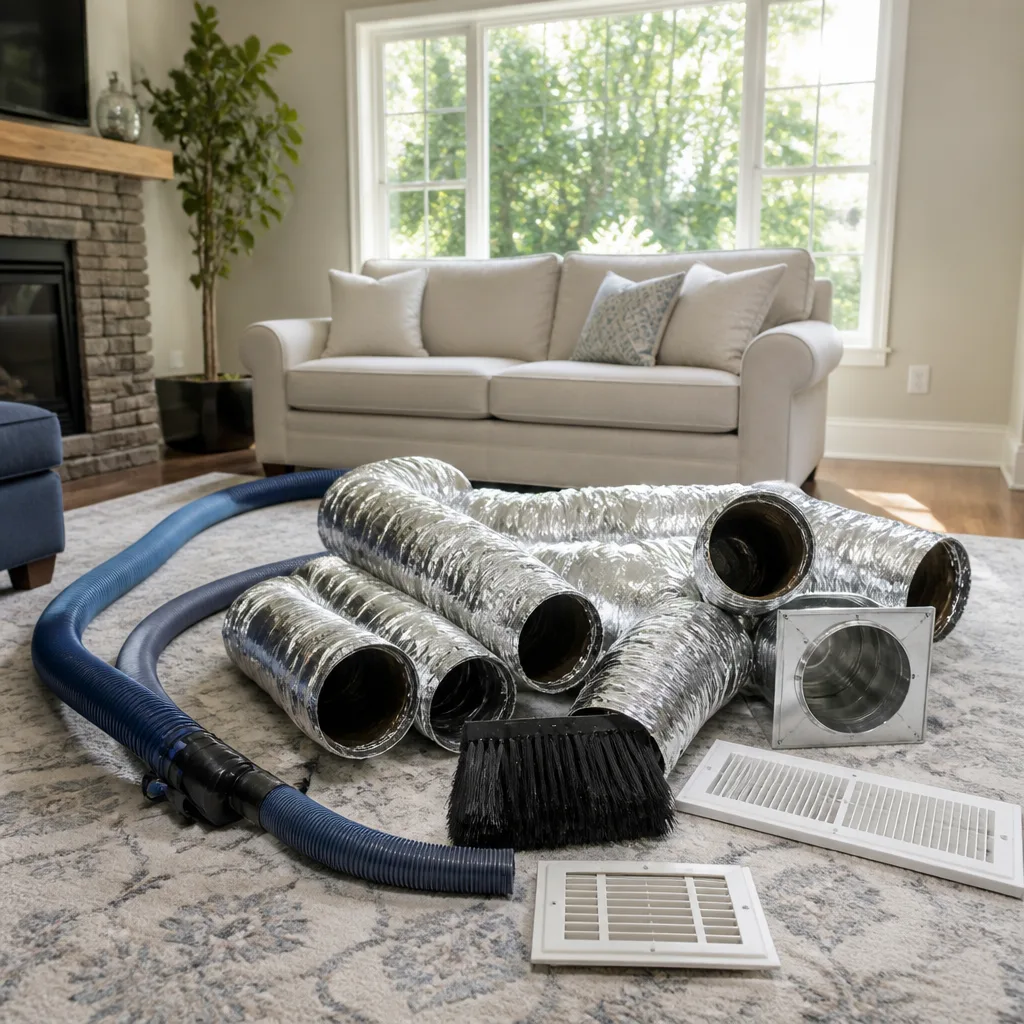
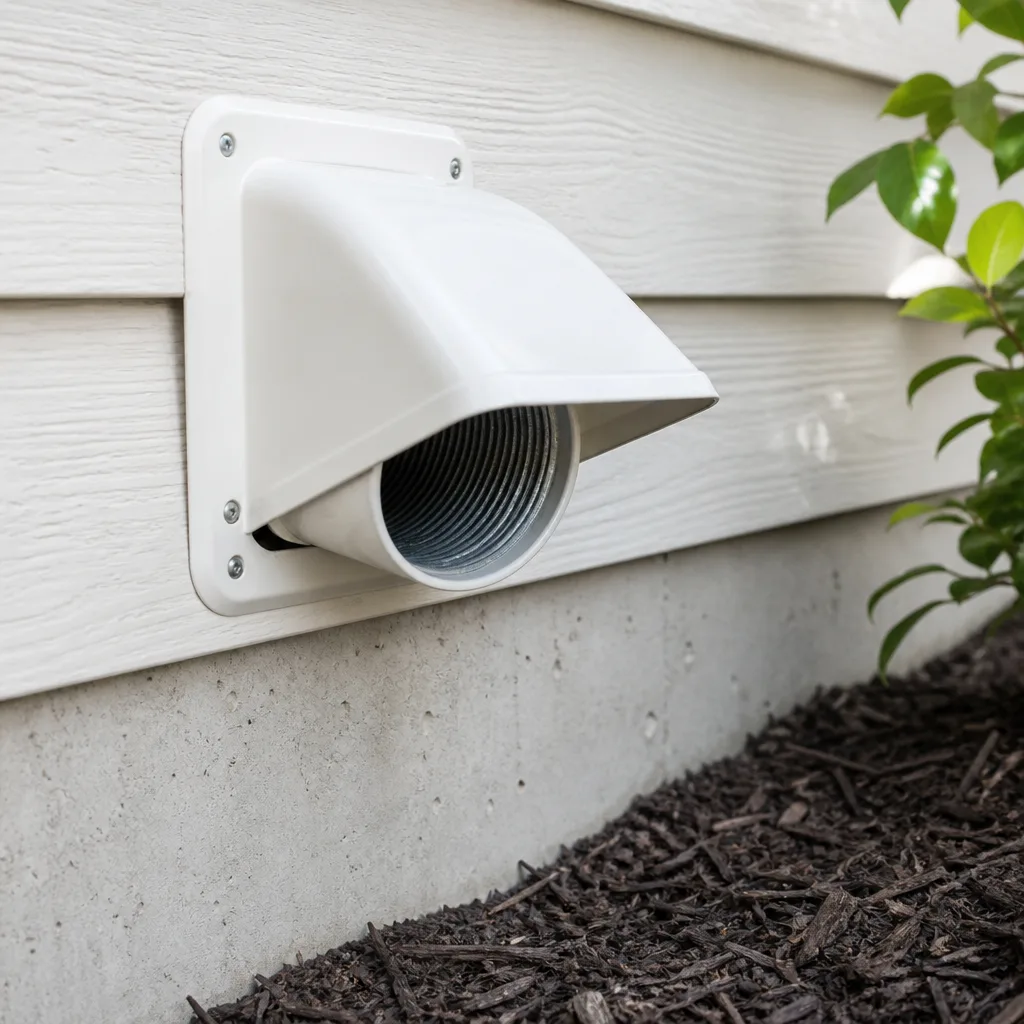
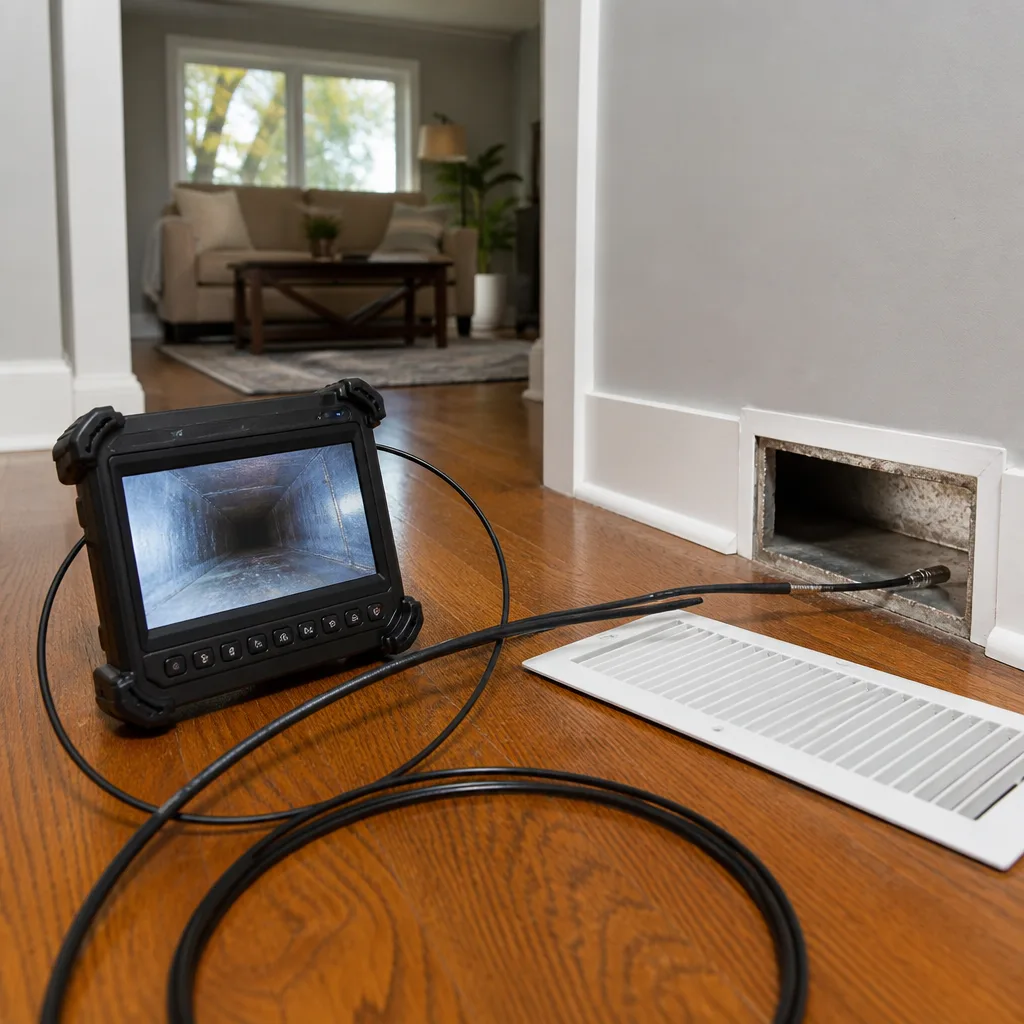
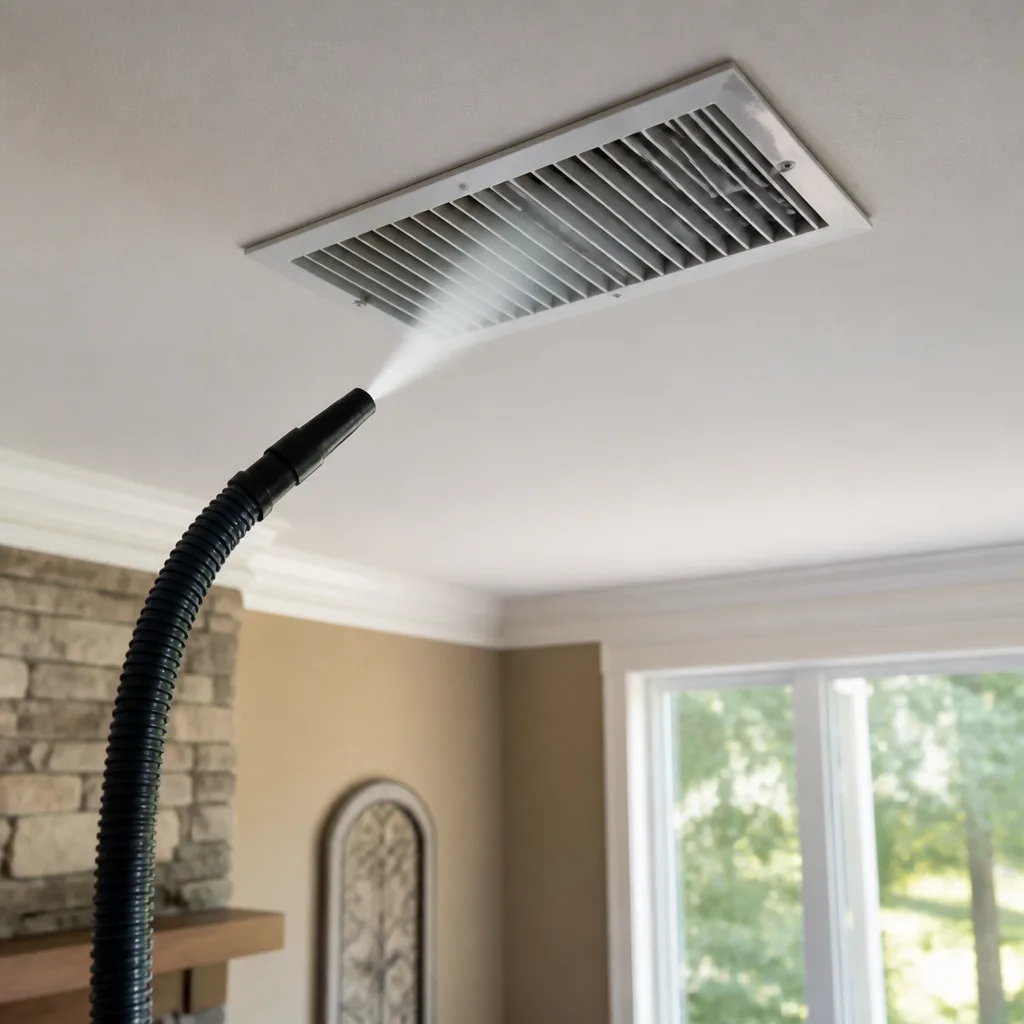
Whole-system duct and dryer vent check with before-and-after photos - you see exactly what came out of your vents
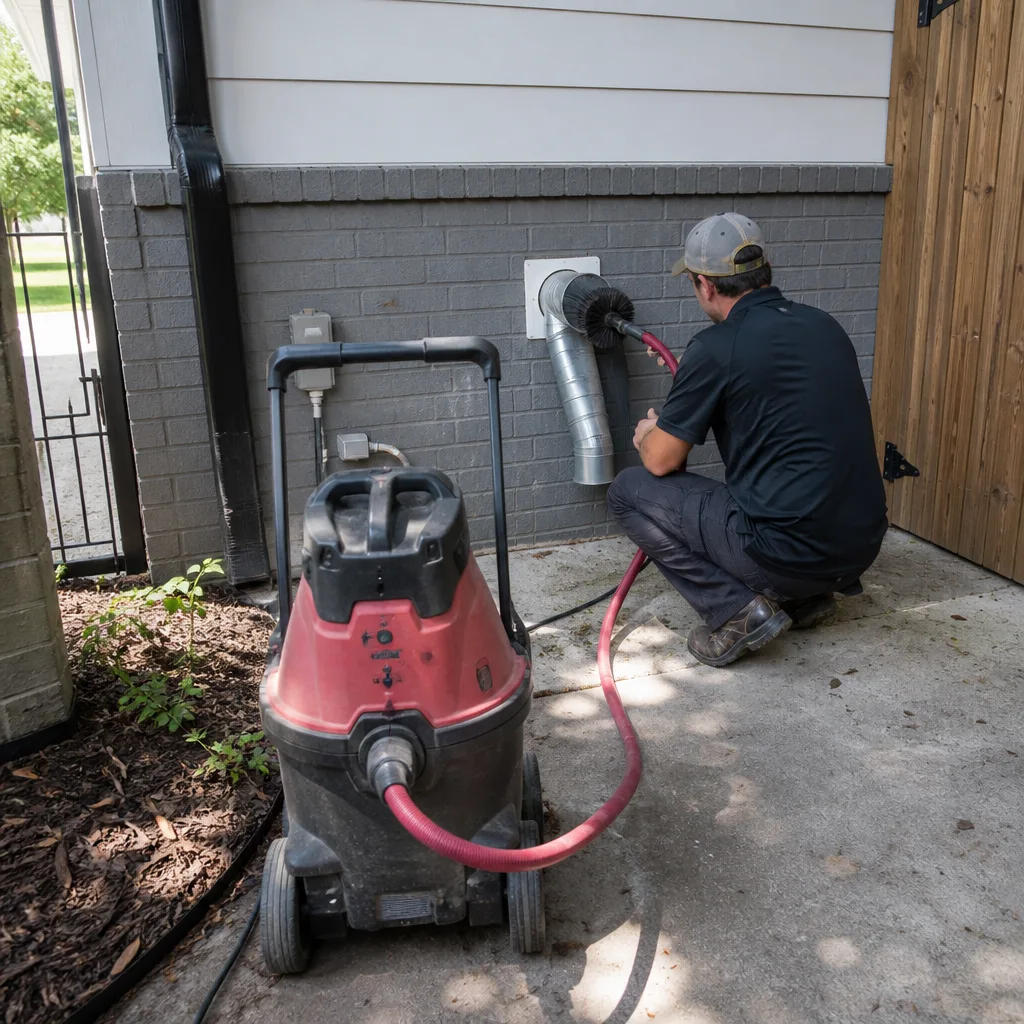
That "$99 whole-house special" is a bait ad - the real number appears once they are in your hallway, or the "clean" is a shop-vac at the register. We photograph the inside of your ducts before and after instead.
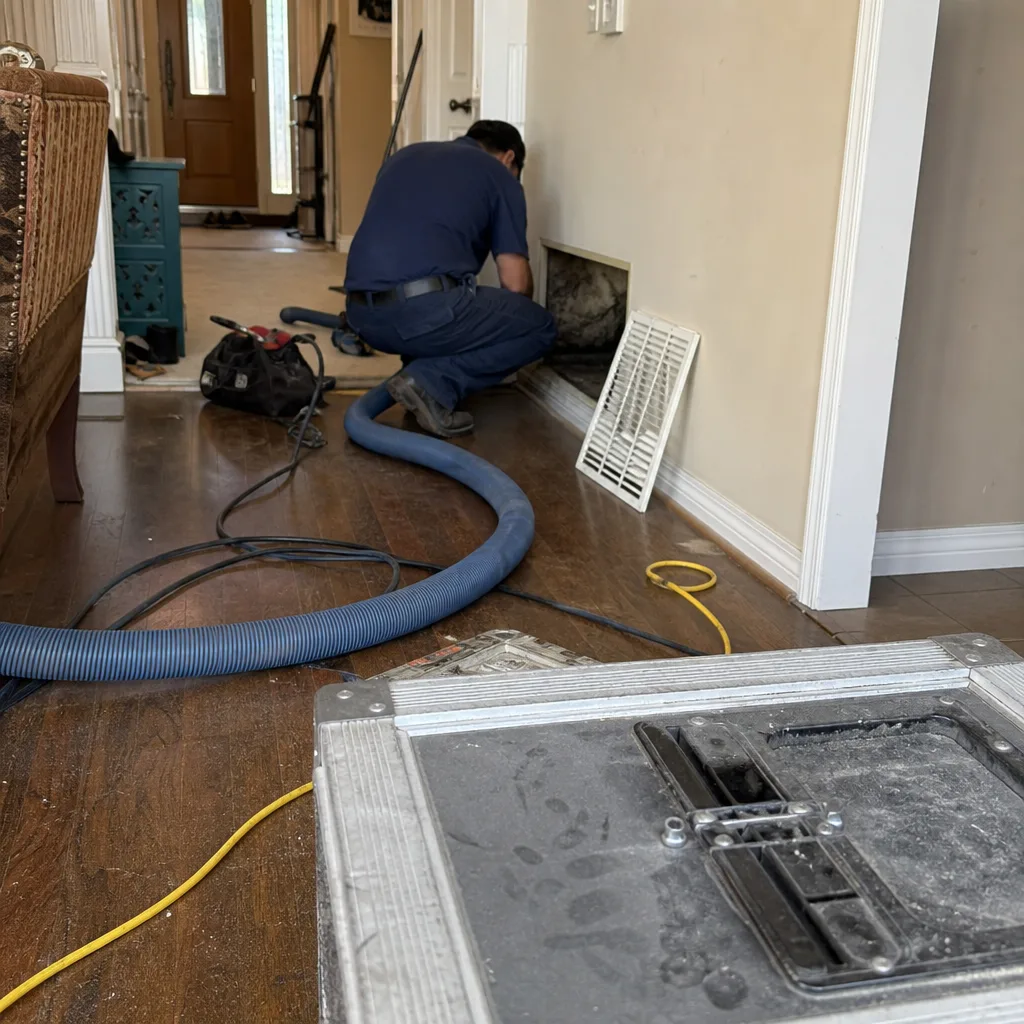 Before
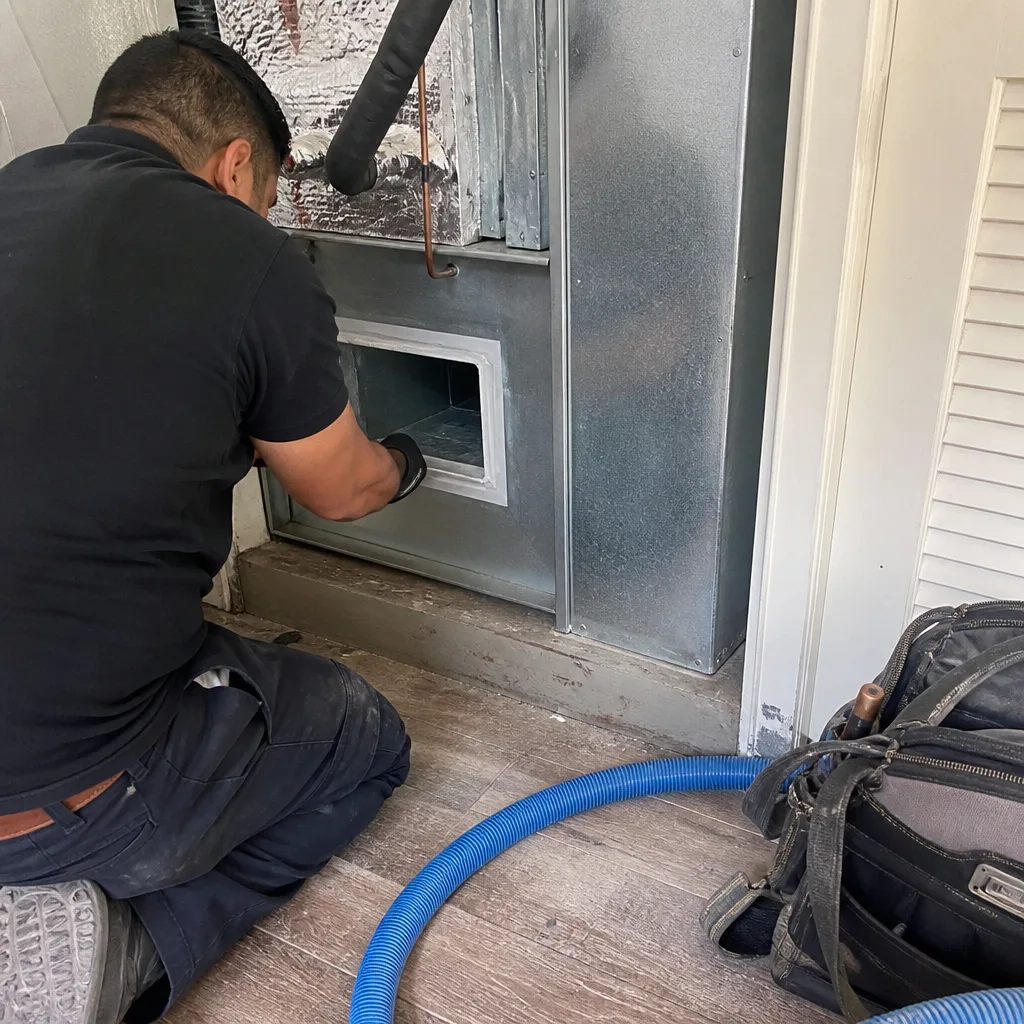 After
After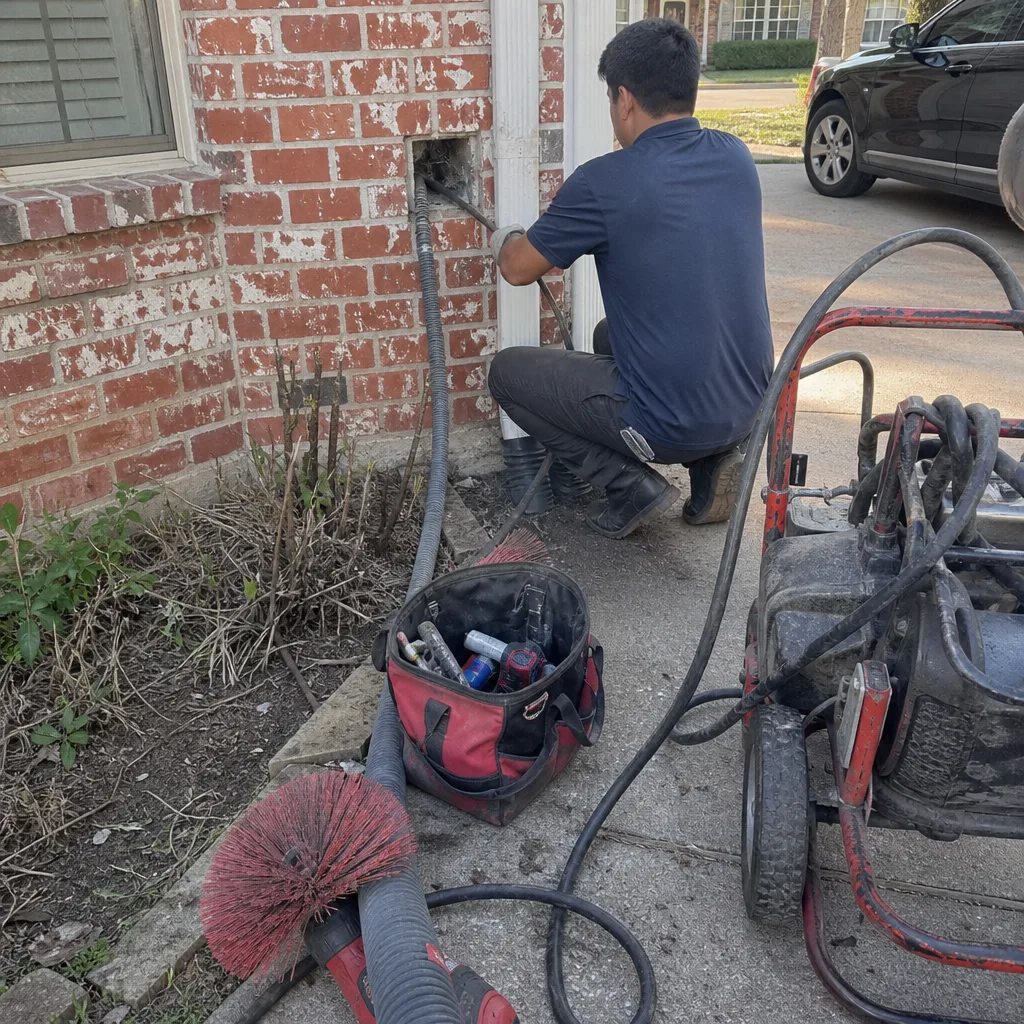 Before
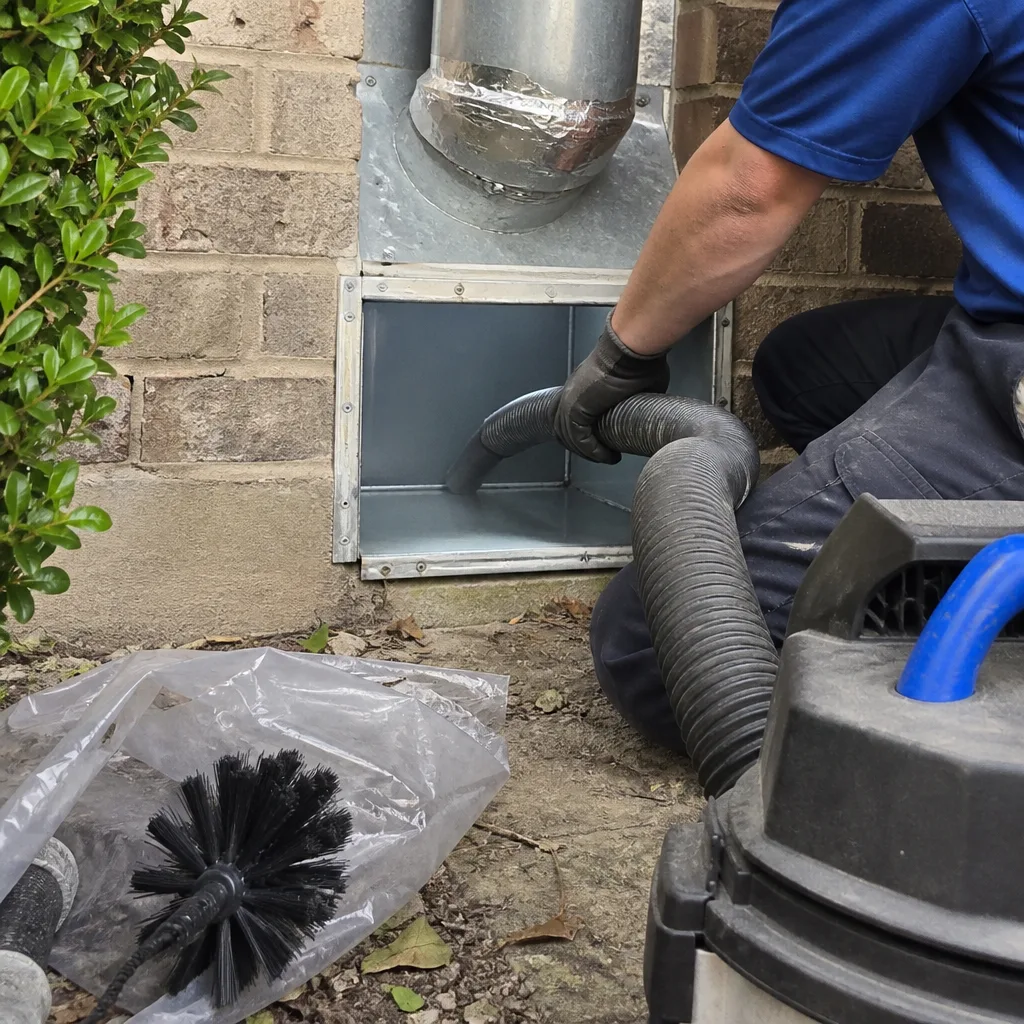 After
After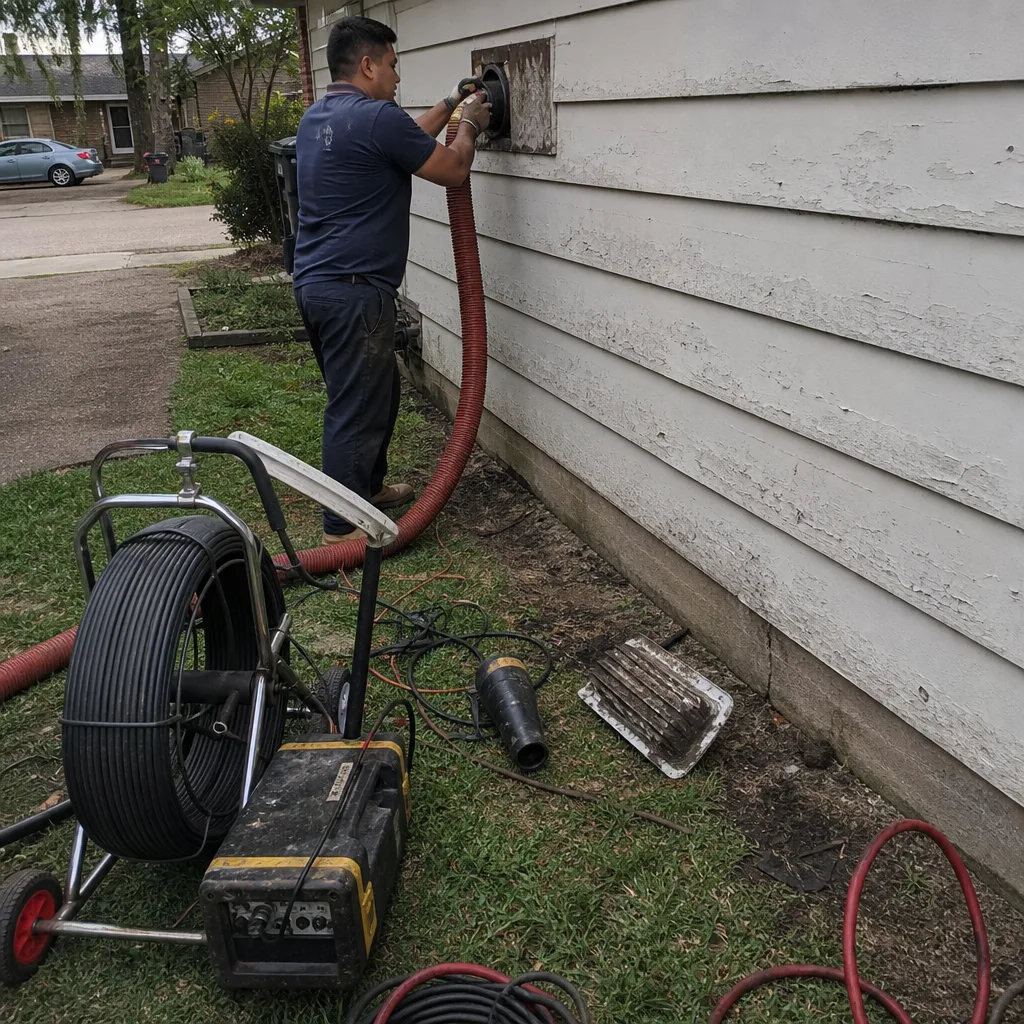 Before
 After
AfterHoneywell Coil Cleaning: The Houston Owner’s Guide
Honeywell coil cleaning in Houston typically runs $340-$580 for a full evaporator or condenser coil service, including access, chemical wash, and post-cleaning inspection photos. We stock Honeywell-compatible foaming cleaners, fin combs, and replacement drain pans on every truck, and most coil jobs in the Energy Corridor, Memorial, or Sugar Land areas are completed in a single scheduled visit. Most Houston homeowners discover their Honeywell coil needs attention when their upstairs never quite cools off in July, or when they spot water pooling below the air handler - signs that Gulf Coast humidity has packed the fins with debris faster than the drainage can keep up.
Which Honeywell Models This Applies To
Honeywell coils appear across three main residential lines in Houston homes: the Enviroaire series (common in 2015-2020 builds near the Energy Corridor), ZonePerfect systems with integrated dampers, and the older TrueCLEAN air cleaner combinations where the coil sits downstream of the electronic filter. The critical identifier is the model sticker on the coil cabinet, not the thermostat - look for a 10-12 digit code starting with HCFE (cased evaporator), HCCU (uncased), or HCAP (horizontal application).
Here’s where Houston owners get tripped up: Honeywell coils often ship with nominal vs. actual fin dimensions that differ by a half-inch. A 17.5-inch cabinet may house a 17-inch fin pack, and forcing a mismatched cleaner concentration or fin comb damages the aluminum. We carry OEM-grade foaming cleaner rated for Honeywell’s microchannel coils, plus aftermarket equivalents from Guardsman that meet the same ASTM B117 corrosion-resistance spec. The aftermarket saves roughly $40-$60 on material cost, but we flag this in writing before we start - Haven Standard Clause 1, written price before any work begins.
One compatibility gotcha specific to Houston’s retrofit market: Honeywell coils installed with Trane or Carrier air handlers during the 2018-2021 HVAC shortage sometimes use adapter plates with non-standard drain pitch. We measure slope with a digital level before quoting, because re-pitching the drain adds labor but prevents the callbacks we’ve seen in Memorial-area townhomes where water sat in the pan and grew mold within a season.
Signs Your Honeywell Coil Cleaning Is Failing
- Uneven cooling between floors. The upstairs runs 6-8 degrees warmer than downstairs because the coil’s debris layer acts as insulation, killing heat transfer. In Houston’s 95-degree afternoons, a partially blocked Honeywell coil loses 30-40% of its rated capacity before the homeowner notices anything except the thermostat never reaching setpoint.
- Water below the air handler or rust on the cabinet base. When fin debris slows airflow across the evaporator, the coil temperature drops below the dew point and ice forms. During the defrost cycle, that ice becomes water that overwhelms the drain pan. We’ve pulled 2-inch sludge blocks from Honeywell drains in Sugar Land homes where the owner assumed the “small leak” was a plumbing issue.
- Musty or sour smell when the system cycles on. The biofilm that grows on a dirty coil in Houston humidity produces volatile organic compounds you smell within 30 seconds of blower startup. It’s not your ducts - it’s the coil surface, and a vacuum won’t touch it; the chemical wash and mechanical agitation are what break the film loose.
- System runs longer but delivers less comfort. Your electricity bill climbs 15-25% while the house never quite settles. The compressor works harder to move the same refrigerant through a coil that can’t exchange heat. We document this with before-and-after temperature-split readings across the coil.
- Visible fin damage or corrosion on inspection. Houston’s coastal air accelerates aluminum oxidation, especially on Honeywell coils within 10 miles of the Ship Channel. Once fins flake or the copper tubing shows green oxidation at the U-bends, cleaning alone won’t restore efficiency - we flag this in the photo record and quote replacement if warranted.
BeforeAfterReplacement Cost & What’s Included
Coil cleaning is not a flat-rate commodity in Houston. The price depends on whether we access through a removable panel or cut and restore drywall, whether the coil is cased or uncased, and whether the drain line needs re-pitching or replacement.
| Service Component | Houston Price Range |
|---|---|
| Standard evaporator coil cleaning (accessible panel) | $340-$420 |
| Condenser coil cleaning (outdoor unit, chemical wash) | $280-$360 |
| Both coils, same visit | $520-$580 |
| Drywall access / panel fabrication | $120-$180 additional |
| Drain pan replacement (Honeywell OEM or compatible) | $180-$260 additional |
Every quote is delivered in writing before we touch the system - Haven Standard Clause 1. The price includes the documented photo record of the coil condition before and after, delivered to you as part of the standard job record. The 365-Day Done Right Promise covers the workmanship; if the coil ices again due to our cleaning or drainage error, we return and make it right at no charge.
DIY or Call Us?
An owner can safely check two things: whether the filter is clean (a clogged filter mimics coil failure), and whether the condensate drain outlet is visibly blocked at the exterior termination. Beyond that, coil work carries real risks. Evaporator coils sit downstream of the blower in a live electrical enclosure; the 240V disconnect is often poorly labeled in retrofit installations. The foaming chemicals that actually break biofilm are respiratory irritants in confined attic spaces, and over-aggressive fin combing destroys the aluminum beyond repair.
We don’t recommend self-service on Honeywell microchannel coils - the fin spacing is tighter than legacy designs, and a standard hardware-store fin comb damages 40-60% of the surface it contacts. Our technicians carry digital fin combs sized to Honeywell’s 8-12 fins-per-inch spec, and we verify the coil material (standard aluminum vs. pre-coated) before selecting cleaner concentration. If you’ve already pulled the panel and taken a photo, we’re happy to review it when you call (346) 251-8919 - but the photo goes first. The pitch comes later, if it’s warranted.
FAQs
A standard evaporator or condenser coil cleaning takes 90 minutes to 2.5 hours, depending on access and how much debris has accumulated. Jobs in Houston’s older Memorial or Heights homes often run longer because the coil sits in a tight closet or attic with limited working clearance. We schedule a half-day window and update you if access complications extend the timeline - no surprise labor charges, ever.
Cleaning is the repair for debris and biofilm buildup. If the fins are corroded through, the copper tubing is leaking, or the drain pan is cracked, cleaning won’t restore function - we flag this in the inspection photo and quote coil or pan replacement before proceeding. We do not charge for the diagnostic photo if you decline the recommended replacement.
Every 2-3 years for homes with standard 1-inch pleated filters changed on schedule. Homes near construction, with pets, or with occupants sensitive to allergens benefit from annual inspection - Gulf Coast humidity accelerates debris adhesion, and we’ve documented meaningful capacity loss at 18 months in Energy Corridor properties downwind of active development. Call (346) 251-8919 and we’ll put you on a no-obligation inspection schedule that matches your actual conditions, not a calendar push.
Yes - foaming cleaner rated for Honeywell microchannel and standard coils, fin combs in the correct pitch, replacement drain pans, and PVC fittings for common drain reconfigurations. For coil replacement (not cleaning), we verify the exact Honeywell model number and pull the part for next-day installation; we do not stock every coil diameter due to the variety of Houston’s retrofit combinations. The photo record from your inspection lets us confirm compatibility before ordering, so you don’t pay restocking fees on a misidentified part.
Ready to see what’s actually inside your Honeywell system? Call (346) 251-8919 for a free estimate. We’ll show you the inspection photo, put the full scope and price in writing before any work starts, and deliver a documented photo record when the crew leaves - the same process we’ve followed since 2013, across 52,000 homes, with no exceptions.
Written by Tomas Reyes, Owner, CleanRun Air Duct Cleaning Houston at CleanRun Air Duct Cleaning Houston, serving Houston and nearby areas.