
Whole-system duct and dryer vent check with before-and-after photos - you see exactly what came out of your vents
That "$99 whole-house special" is a bait ad - the real number appears once they are in your hallway, or the "clean" is a shop-vac at the register. We photograph the inside of your ducts before and after instead.
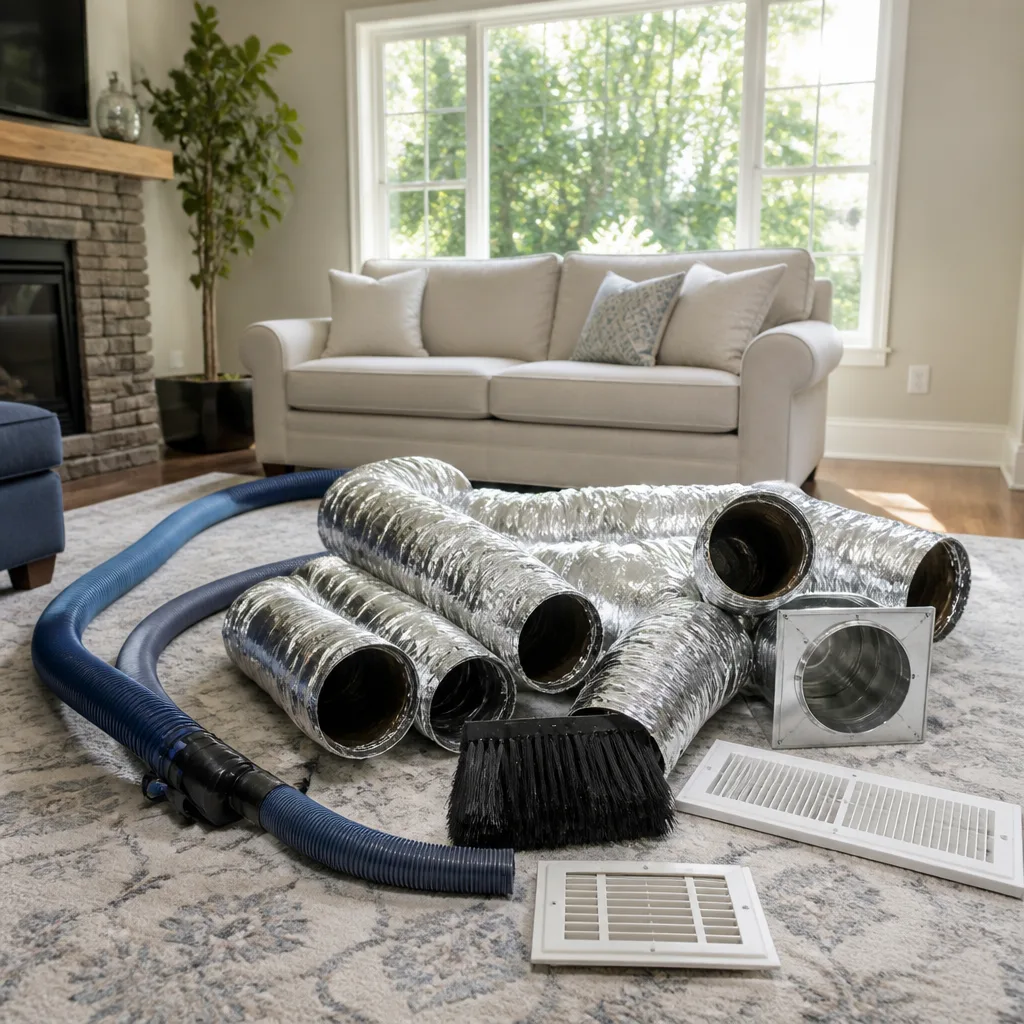
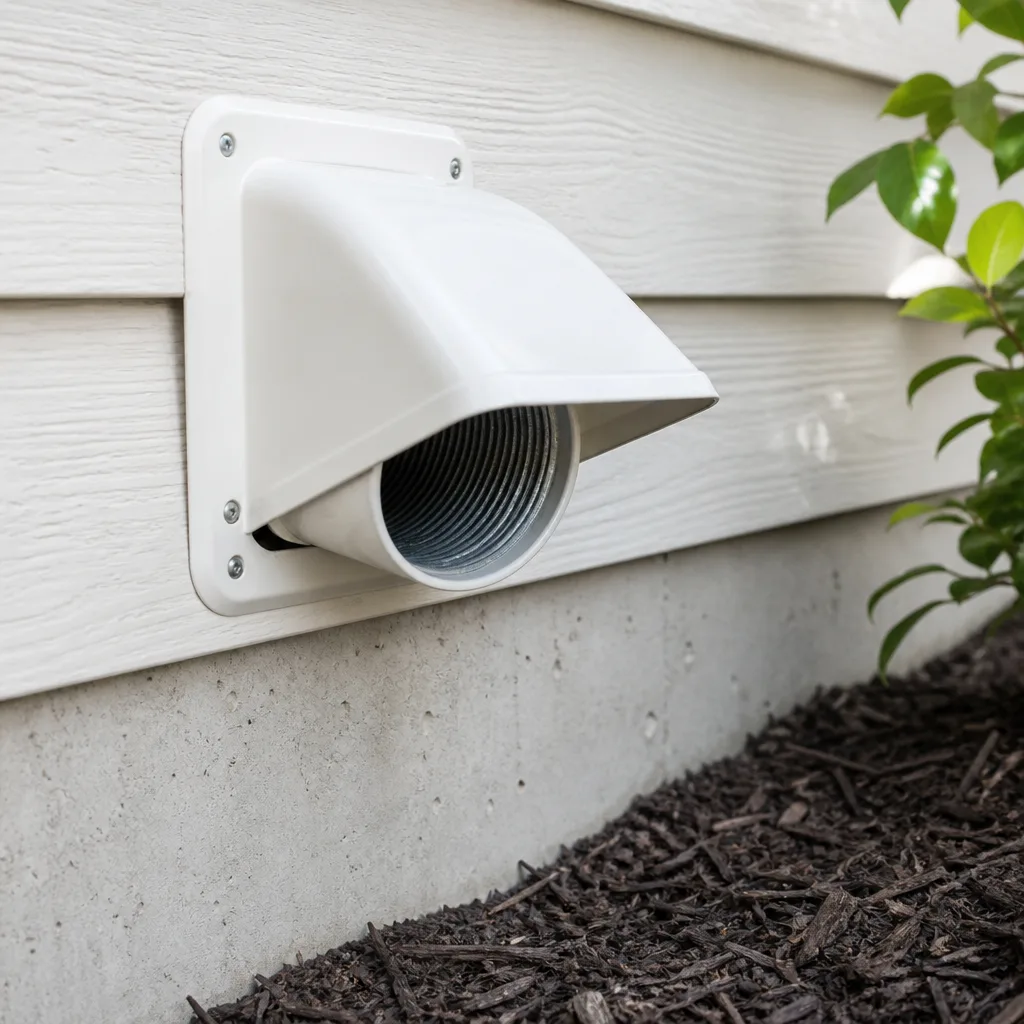
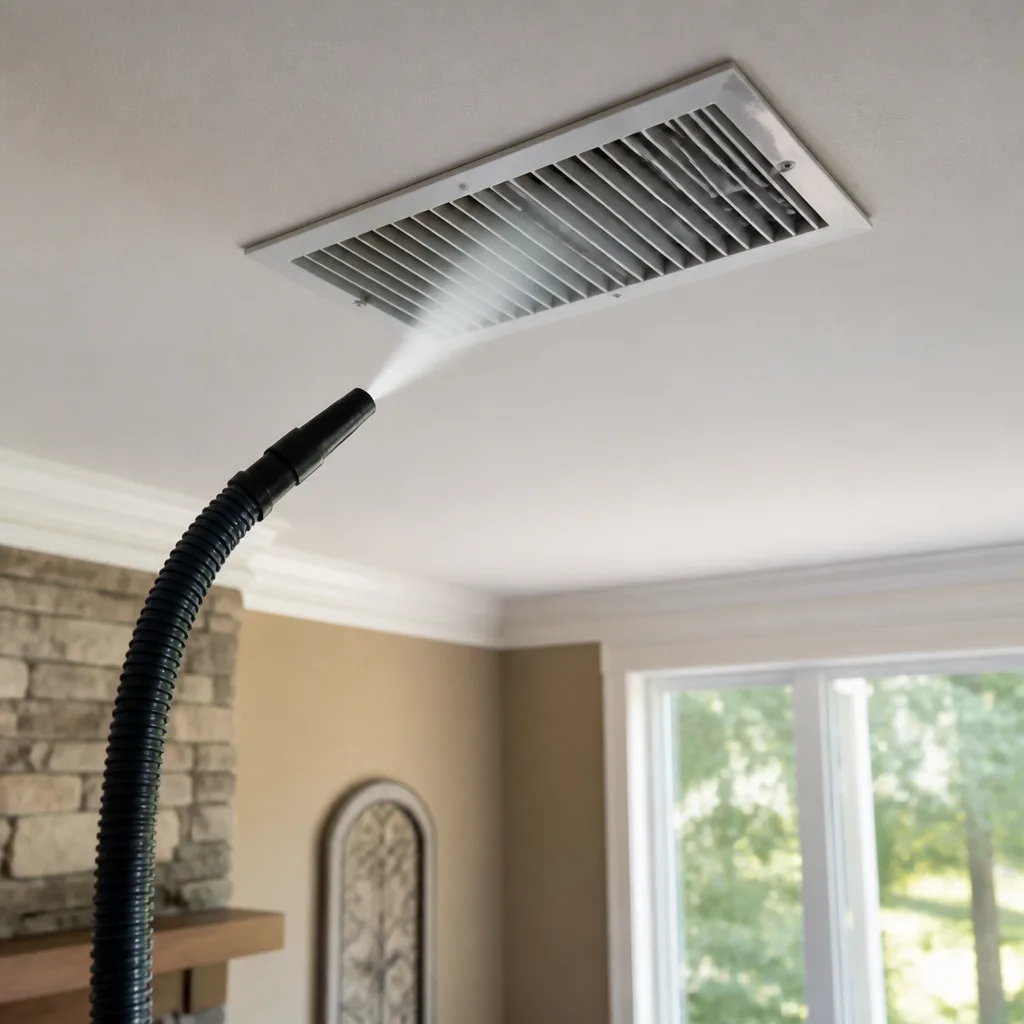
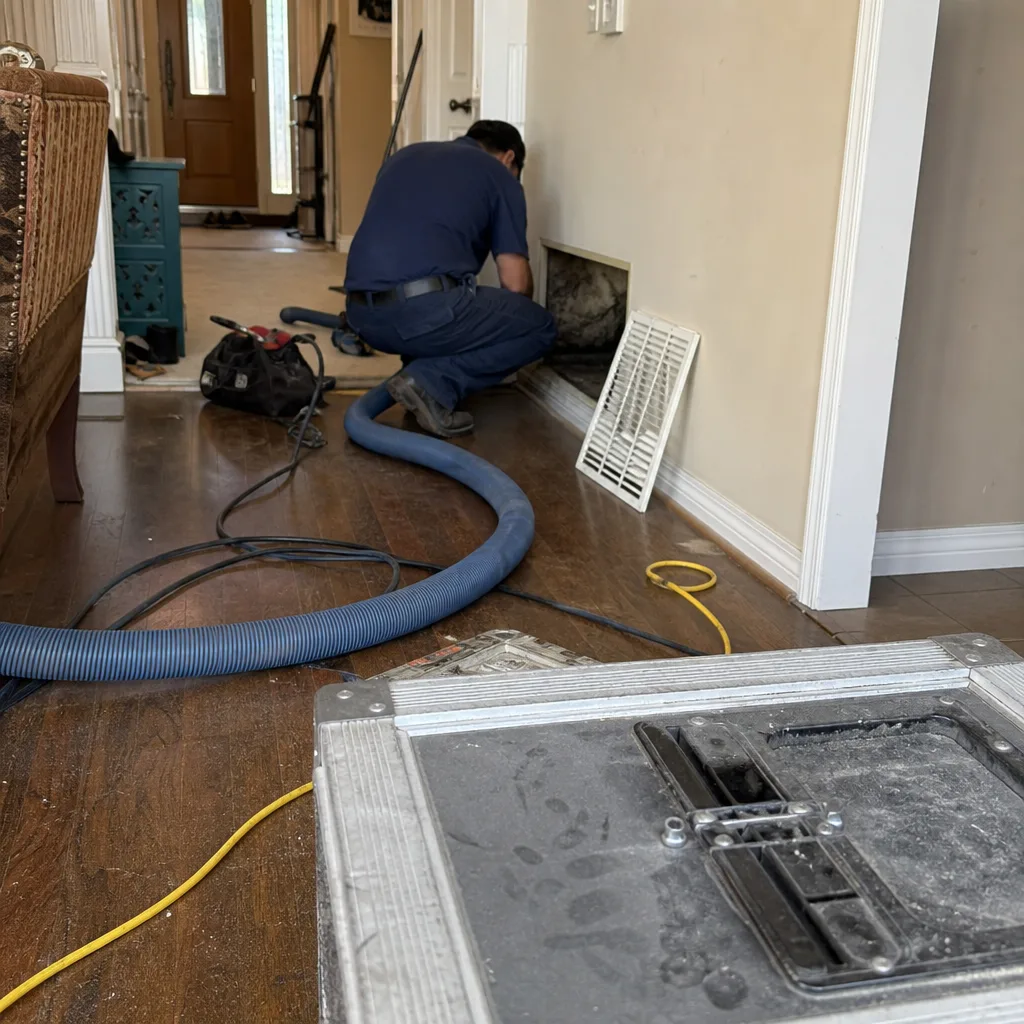 Before
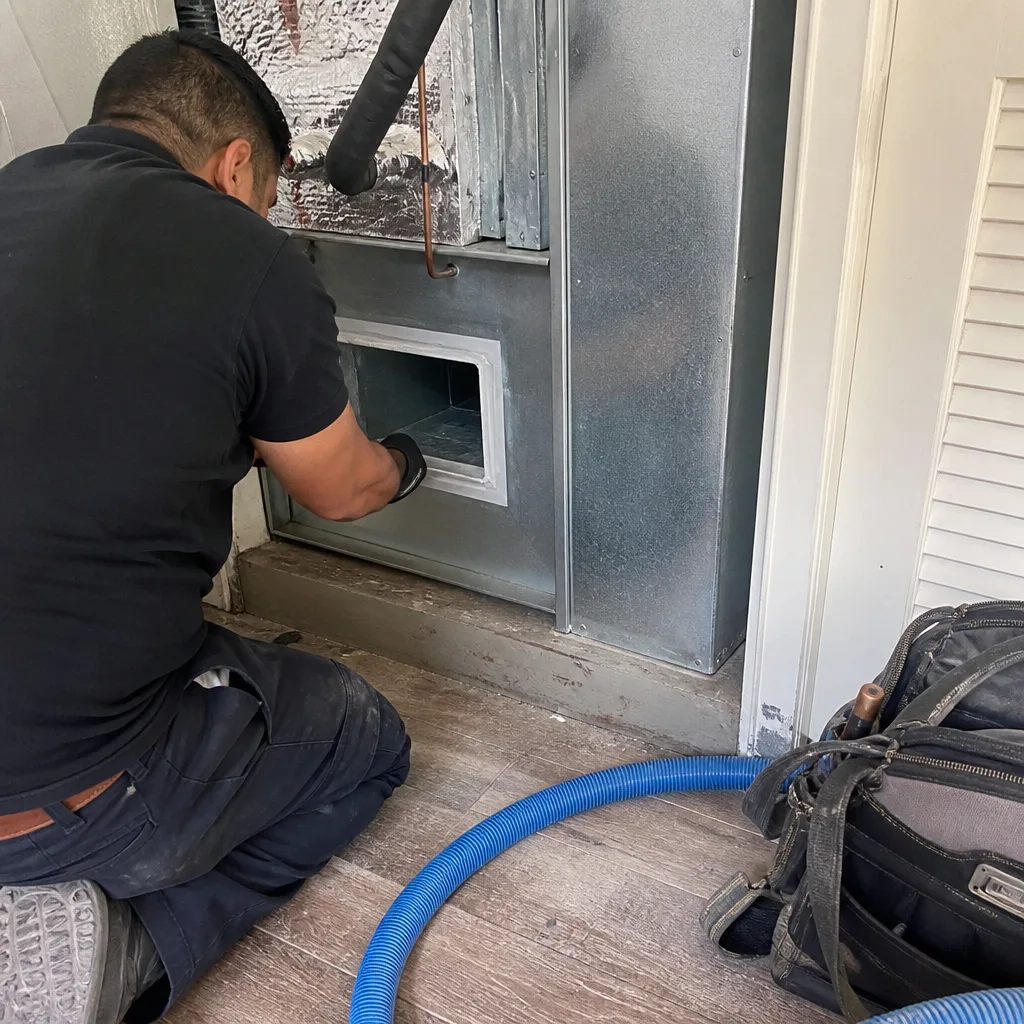 After
After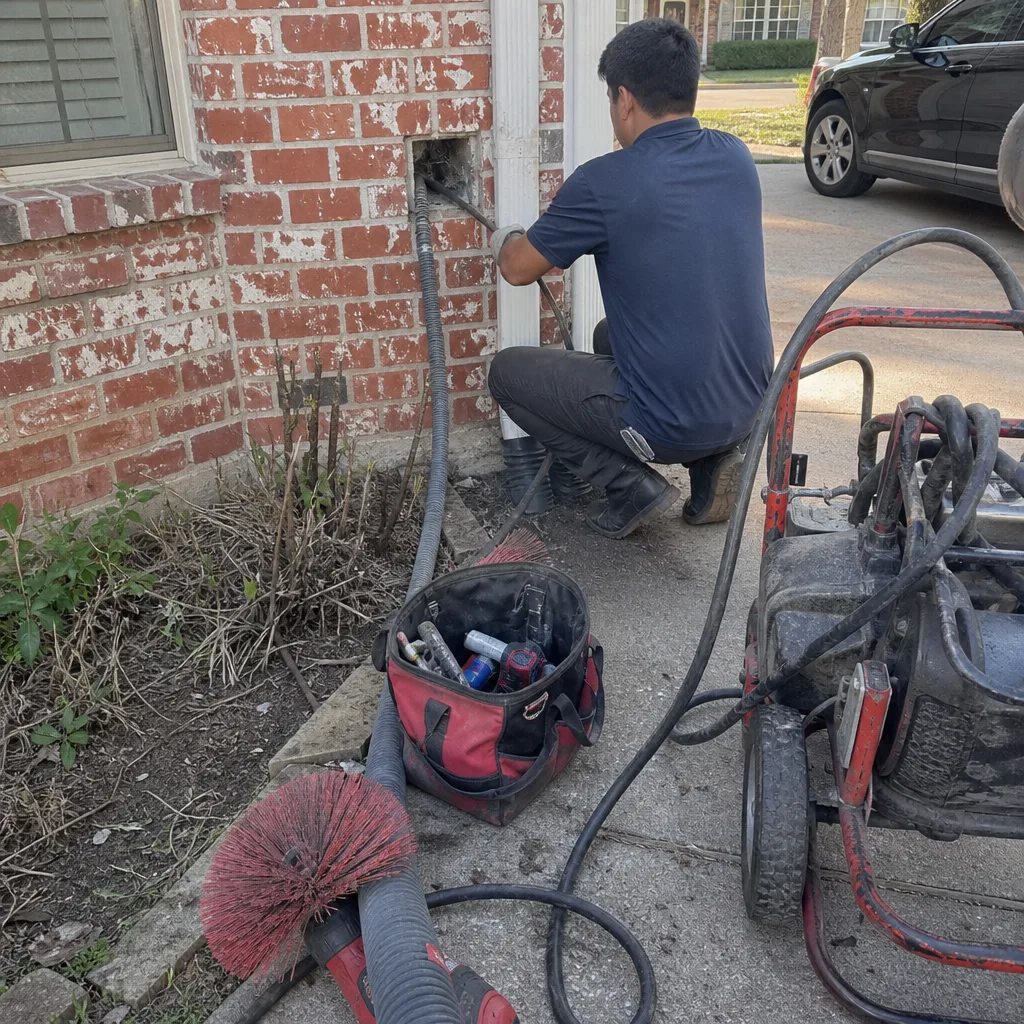 Before
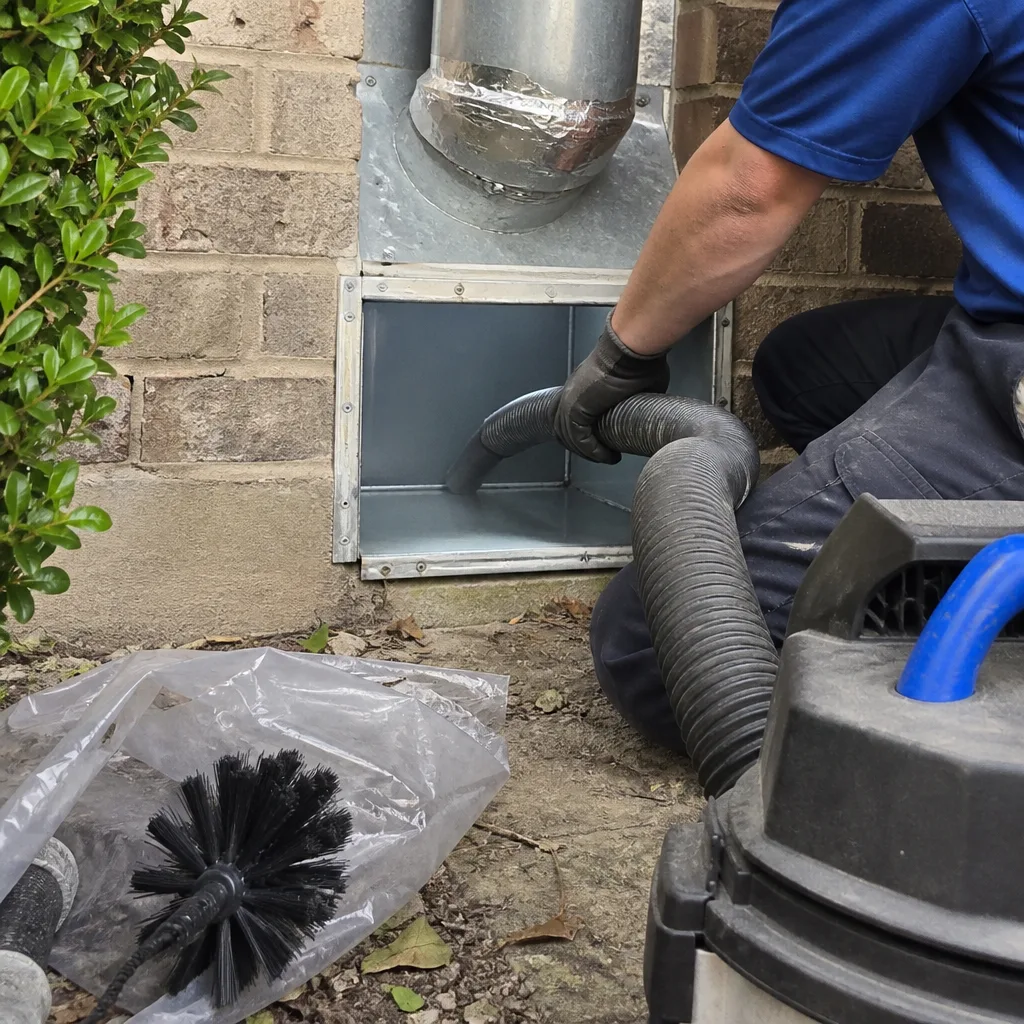 After
After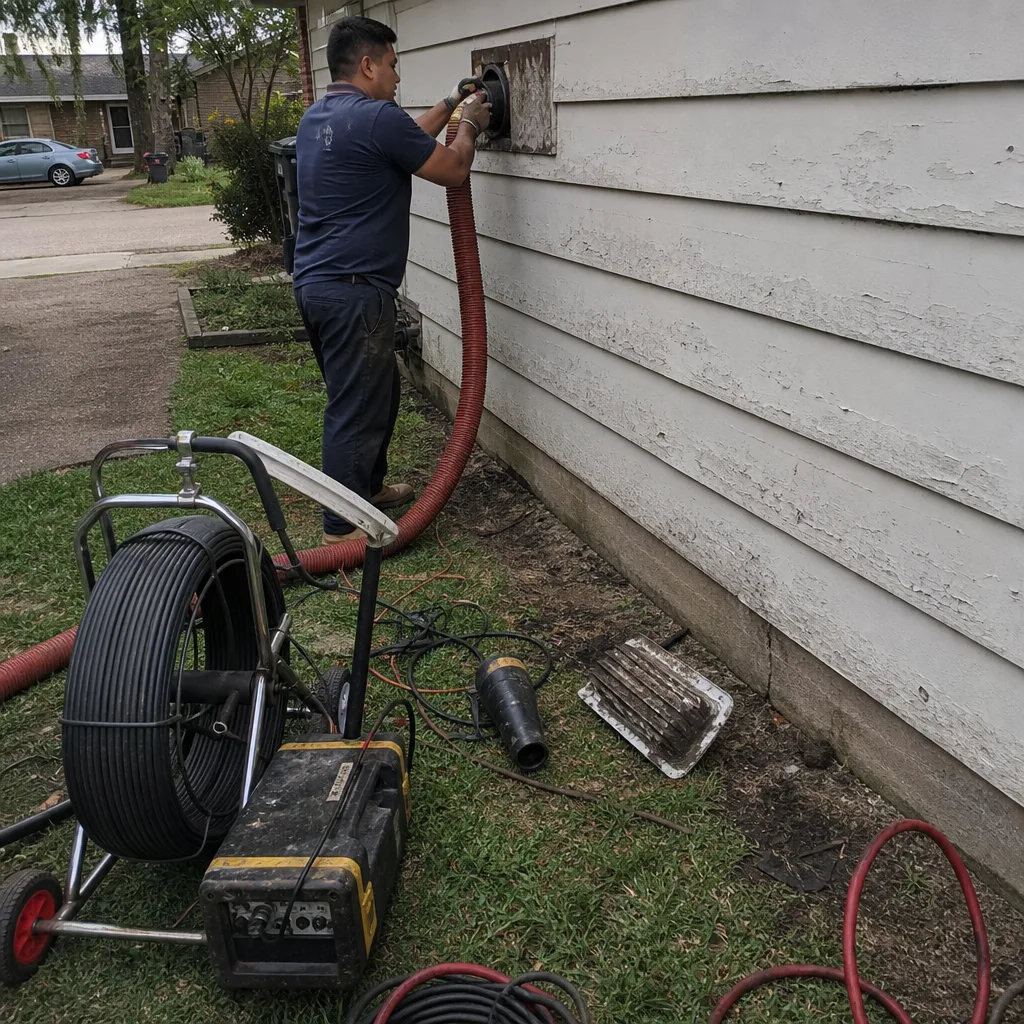 Before
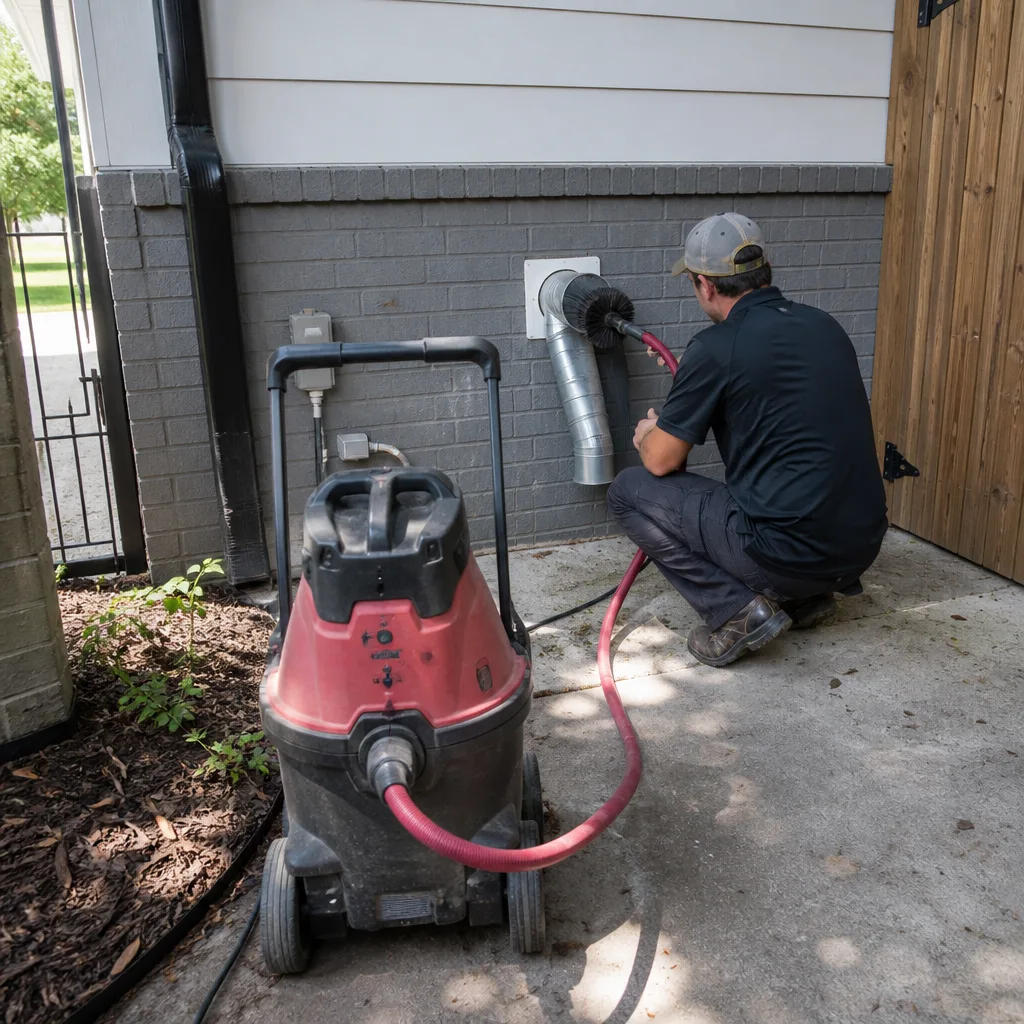 After
AfterHoneywell Register & Grille Cleaning: The Houston Owner’s Guide
CleanRun stocks and installs Honeywell-compatible register and grille cleaning services for Houston homeowners, with typical whole-system pricing from $380 to $620 depending on system size and accessibility. Most residential jobs are completed in a single scheduled visit, and we carry the full Honeywell-compatible equipment roster on every truck. Homeowners usually discover the problem when a room stops keeping temperature despite the HVAC running, or when they remove a vent cover and find the grille fins seized with debris the vacuum cannot reach.
Which Honeywell Models This Applies To
Honeywell registers and grilles span several residential series, and the cleaning approach differs by construction type. The Honeywell Home PRO series uses stamped-steel faceplates with fixed-bar grilles that trap debris at the weld points, while the TRUaire and EconoCoil lines (distributed through Honeywell’s HVAC channel) feature adjustable aluminum louvers that bind when dust mixes with Gulf Coast humidity. We also see the HC000 series in older Houston builds from the 2010-2018 window, particularly in Energy Corridor townhomes where the original contractor spec’d builder-grade units.
Identification is straightforward: the model stamp sits on the backside of the faceplate, visible once you drop the register from the duct boot. If the stamp is worn off, measure the duct opening (not the faceplate) - Honeywell residential registers come in 4×10, 6×10, 6×12, and 8×14 inch boot sizes, with the faceplate overhanging by 1.5 inches on each side. A common gotcha: the HC008 and HC010 series share the same faceplate dimensions but use different damper box depths, and forcing a standard cleaning brush through the shallow HC008 box will snap the damper axle. We check this before selecting the brush head.
CleanRun is an independent service provider, not affiliated with Honeywell. For replacement grilles where cleaning is not viable, we stock both OEM Honeywell units and quality aftermarket equivalents from Guardsman that match the pressure-drop specs at roughly 60% of OEM cost. The aftermarket units carry the same 365-Day Done Right Promise.
Signs Your Honeywell Register & Grille Cleaning Is Failing
- Uneven room temperatures. The grille louvers are designed to direct airflow across the room; when debris cakes the hinge points, the damper freezes in position and dumps all conditioned air in one spot. In Houston’s summer heat, that spot becomes the coldest corner while the rest of the room stays 6-8 degrees warmer.
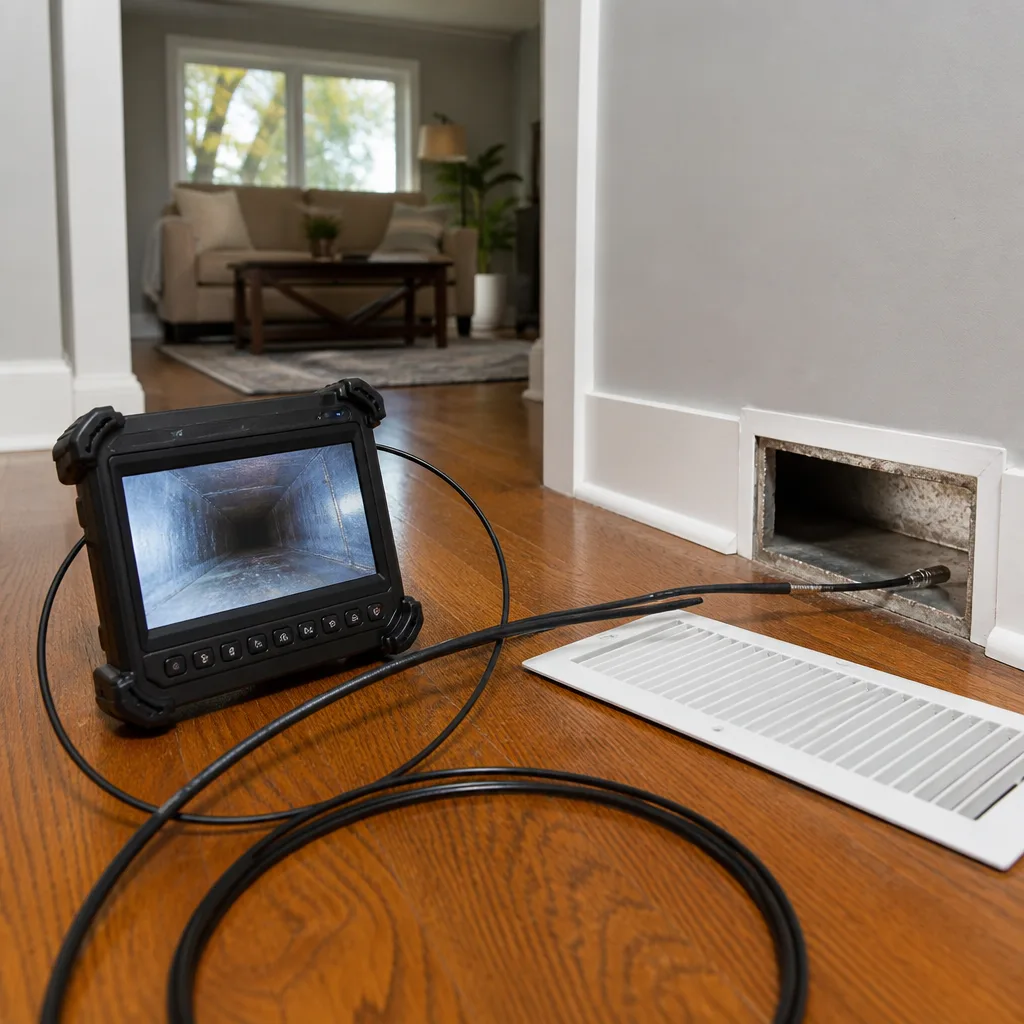
- Visible debris buildup on the faceplate fins. What looks like surface dust is often the exposed tip of a 2-3 inch debris column extending back into the duct boot. The camera shows the real depth once the register is removed.
- Musty odor when the system cycles on. Honeywell’s stamped-steel grilles have a rolled edge that creates a debris trap; Gulf Coast humidity above 70% RH turns this into active microbial growth. The smell is the symptom, but the cause is usually a debris layer thick enough to restrict airflow by 15-20%.
- Whistling or rattling at the register. Debris buildup narrows the free area of the grille, accelerating airflow through the remaining gaps. The noise means the system is working harder to push the same CFM, which shows up on the electric bill before it shows up as a comfort problem.
- Louver tabs break off during routine filter changes. The plastic or nylon adjustment tabs on adjustable Honeywell grilles become brittle when exposed to UV through the faceplate and thermal cycling from the duct. A broken tab means the homeowner can no longer balance the room, and the debris that caused the binding is still inside.
BeforeAfterReplacement Cost & What’s Included
Whole-system register and grille cleaning in Houston runs $380 to $620 for a typical 2,000-3,500 square foot home with 10-16 registers. The range reflects three factors: system size (register count), accessibility (crawlspace or attic duct runs add time), and whether the boots require debris extraction beyond standard brushing.
| Component | Price Range |
|---|---|
| Standard register/grille cleaning (per system) | $380 - $620 |
| Deep boot extraction (debris column removal) | $45 - $85 per affected run |
| Grille replacement (OEM Honeywell) | $28 - $65 per unit, parts only |
| Grille replacement (Guardsman aftermarket) | $18 - $38 per unit, parts only |
Every job is quoted with a written price before work begins, Haven Standard Clause 1. The quoted price includes the Documented Photo Record of every duct run, delivered as part of the standard job record. Labor warranty is 365 days under the Done Right Promise; replacement grilles carry manufacturer warranty terms.
DIY or Call Us?
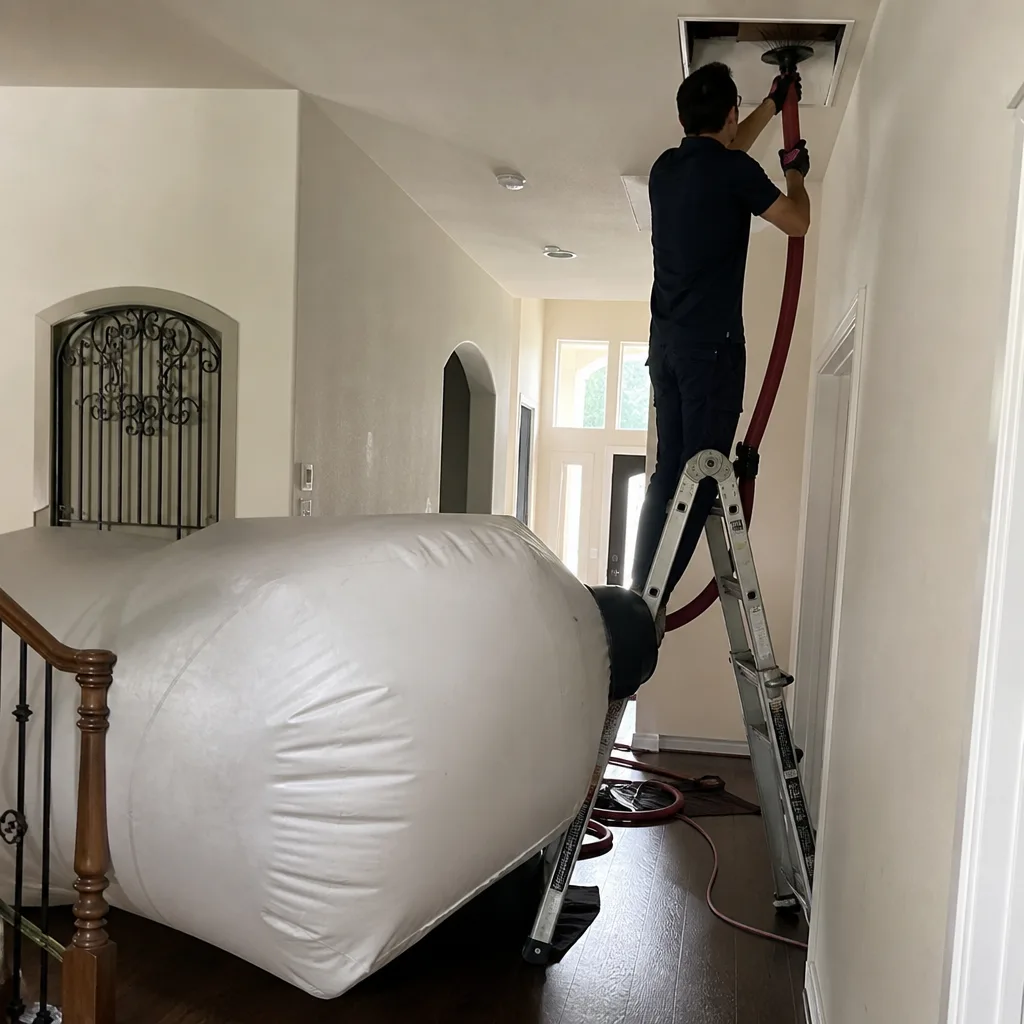
What a homeowner can safely check: remove the register, photograph the debris depth, and verify the model stamp for compatibility. A vacuum with a soft brush attachment can clear loose surface dust from the faceplate fins.
Where DIY goes wrong: the duct boot beyond the register is not reachable with household tools, and compressed air from the register side blows debris deeper into the run. More critically, Honeywell adjustable grilles use a coiled steel damper spring that is under tension; forcing a stuck louver with a screwdriver can release that tension unpredictably. We have documented louver assemblies that cracked the faceplate weld when homeowners applied leverage. The debris extraction itself requires negative-pressure containment - without it, dislodged material enters the living space.
Call (346) 251-8919 for a written estimate. Estimates are free, and we will show you the inspection photo before recommending any service. The photo goes first. The pitch comes later, if it’s warranted.
FAQs
How long do Honeywell registers and grilles last in Houston?
Stamped-steel Honeywell grilles typically last 12-18 years in Houston’s climate, but the effective service life drops to 7-10 years if the home runs without adequate filtration. Gulf Coast humidity accelerates corrosion at the rolled edge where debris collects, and the thermal cycling from Houston’s 100-degree summers to 40-degree winter snaps shortens the plastic adjustment tabs on adjustable models. Call (346) 251-8919 for an inspection if your grilles are past the decade mark.
Can a dirty Honeywell register be repaired instead of cleaned or replaced?
Seized louvers can sometimes be freed with professional-grade degreaser and mechanical agitation, but this is only viable when the debris has not yet bonded to the metal or caused corrosion pitting. We make this determination with the inspection camera before quoting. If the faceplate shows rust bleed-through at the weld points, replacement is the only durable option. Call (346) 251-8919 and we will put both options in writing.
How long does a full register and grille cleaning take?
A typical Houston residential system with 12-14 registers takes 3.5 to 5 hours from arrival to final photo documentation. Homes with crawlspace or attic duct runs, like many in the Heights or Montrose vintage housing stock, add 45-90 minutes for access. We schedule by the job, not by the hour, so the quoted price does not change if access proves slower than expected.
Do you stock Honeywell-compatible grilles on the truck?
Yes. Every CleanRun truck carries the full Honeywell-compatible sizing range in both OEM and Guardsman aftermarket, plus the trade-standard 4×10, 6×10, 6×12, and 8×14 configurations for Lennox, Trane, and Carrier systems. If your home has an unusual size or a discontinued Honeywell series, we source overnight and return to install at the quoted price.
Written by Tomas Reyes, Owner, CleanRun Air Duct Cleaning Houston at CleanRun Air Duct Cleaning Houston, serving Houston and nearby areas.