
Whole-system duct and dryer vent check with before-and-after photos - you see exactly what came out of your vents
That "$99 whole-house special" is a bait ad - the real number appears once they are in your hallway, or the "clean" is a shop-vac at the register. We photograph the inside of your ducts before and after instead.
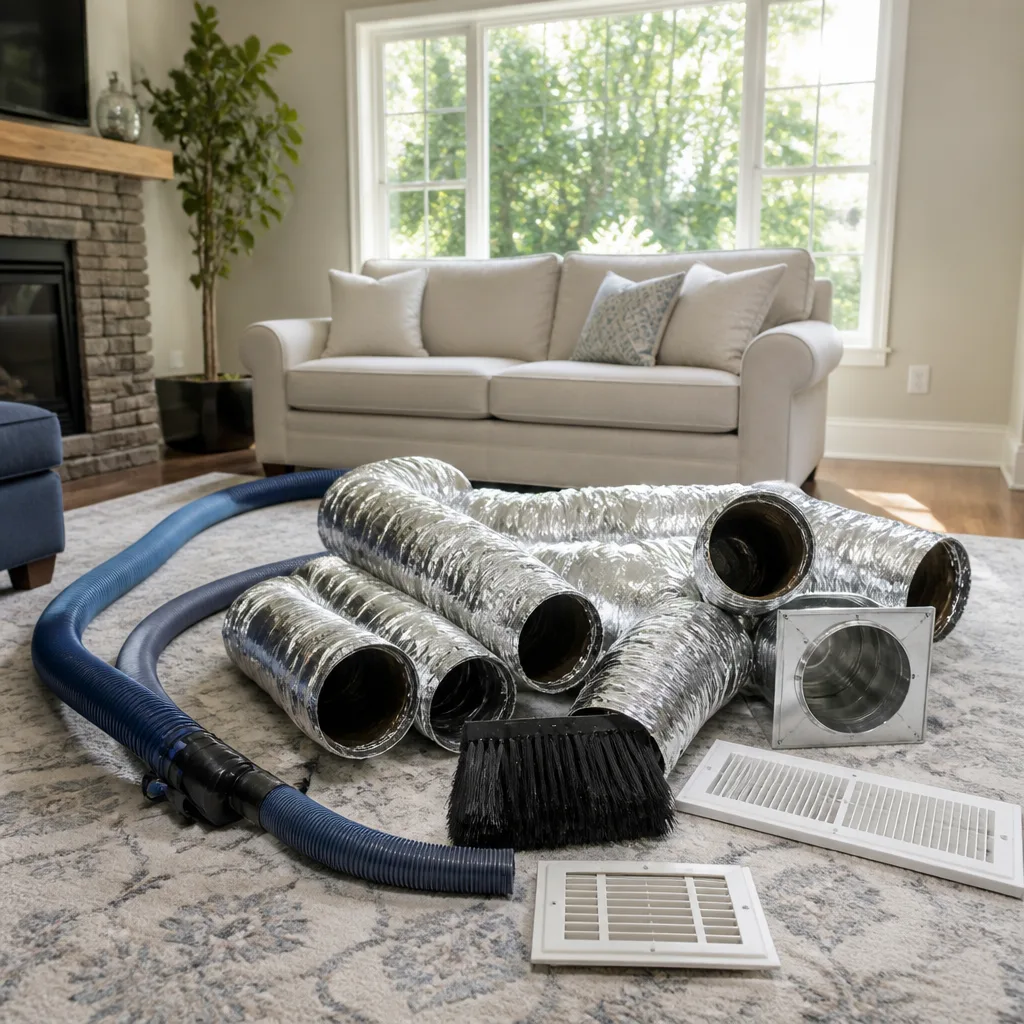
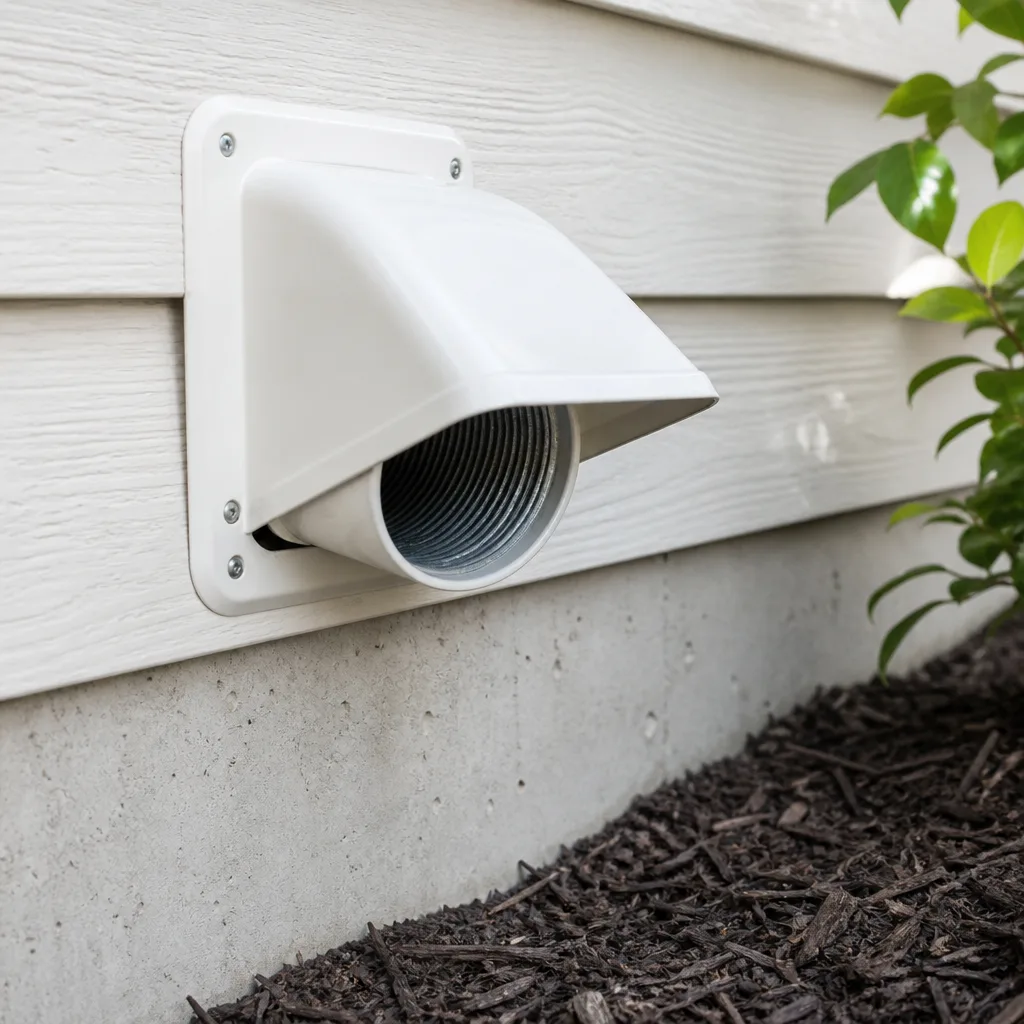
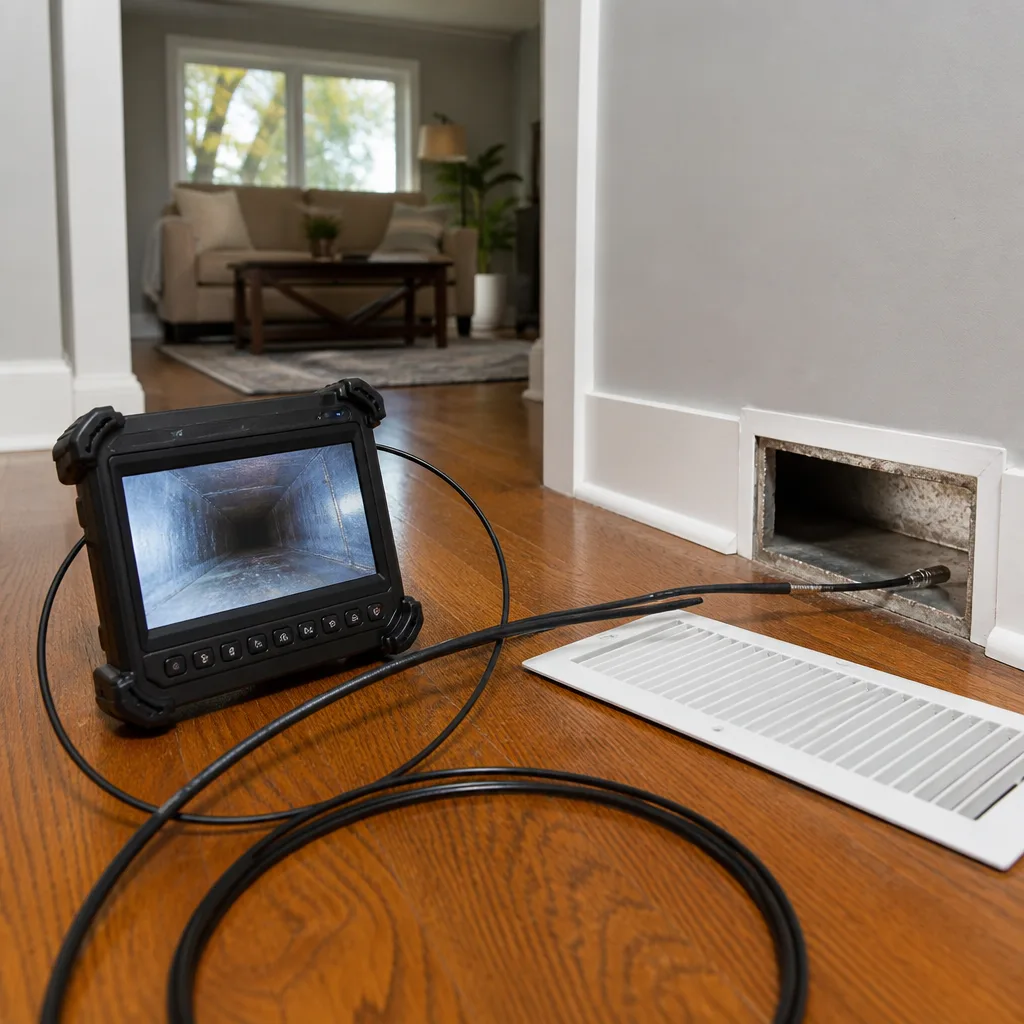
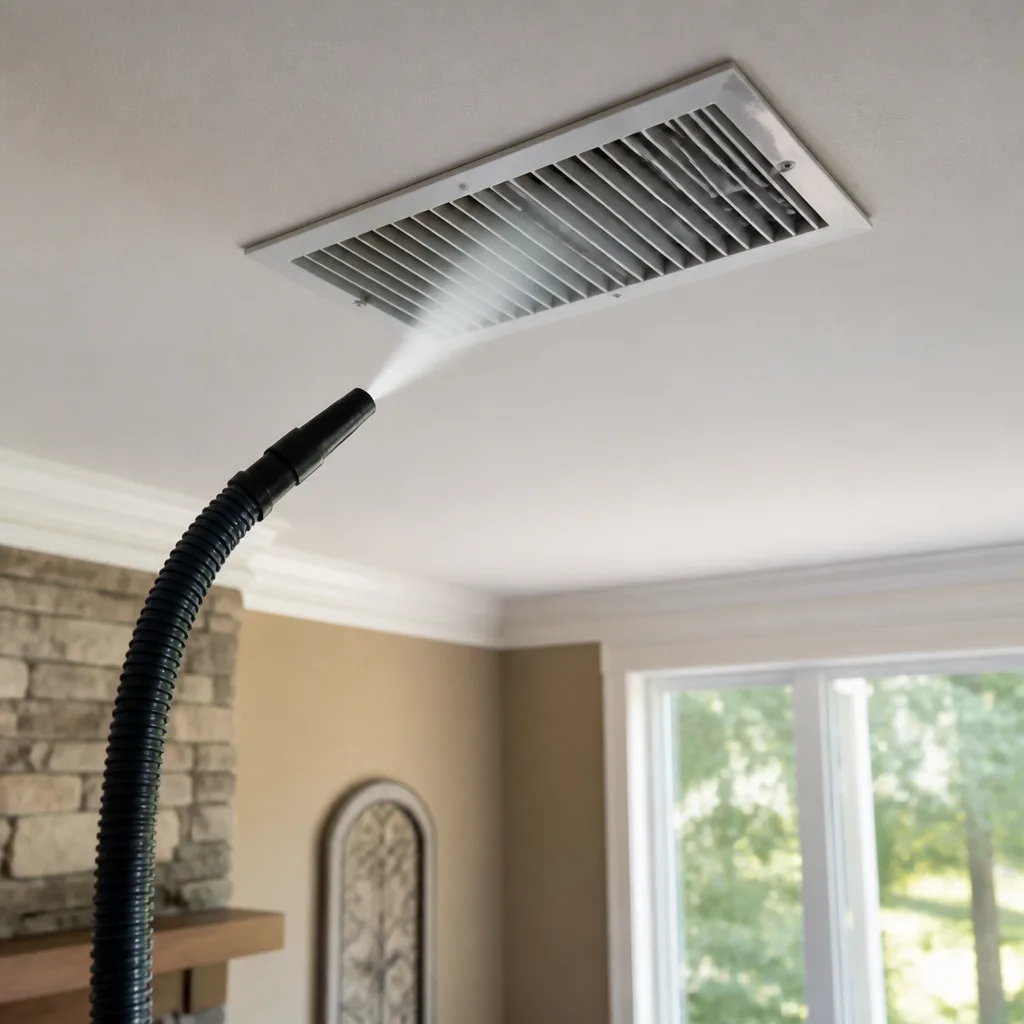
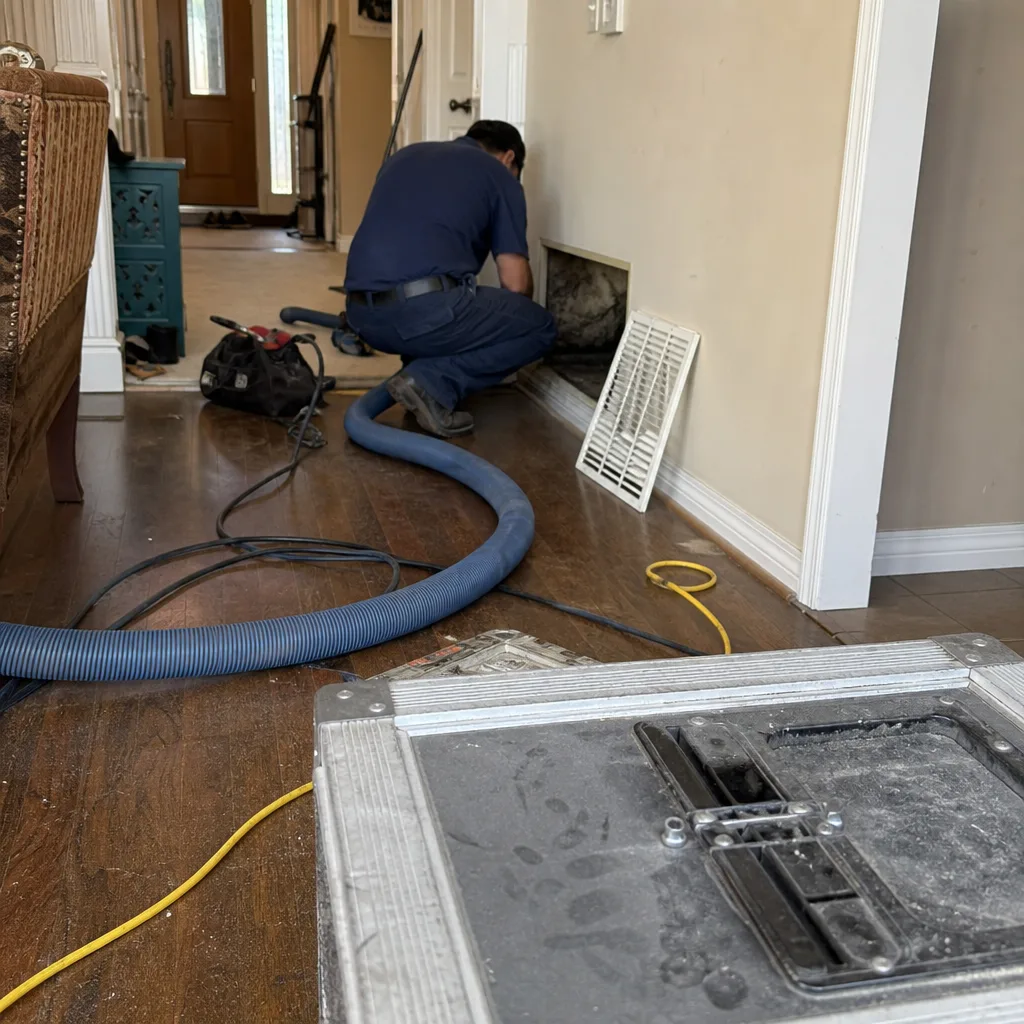 Before
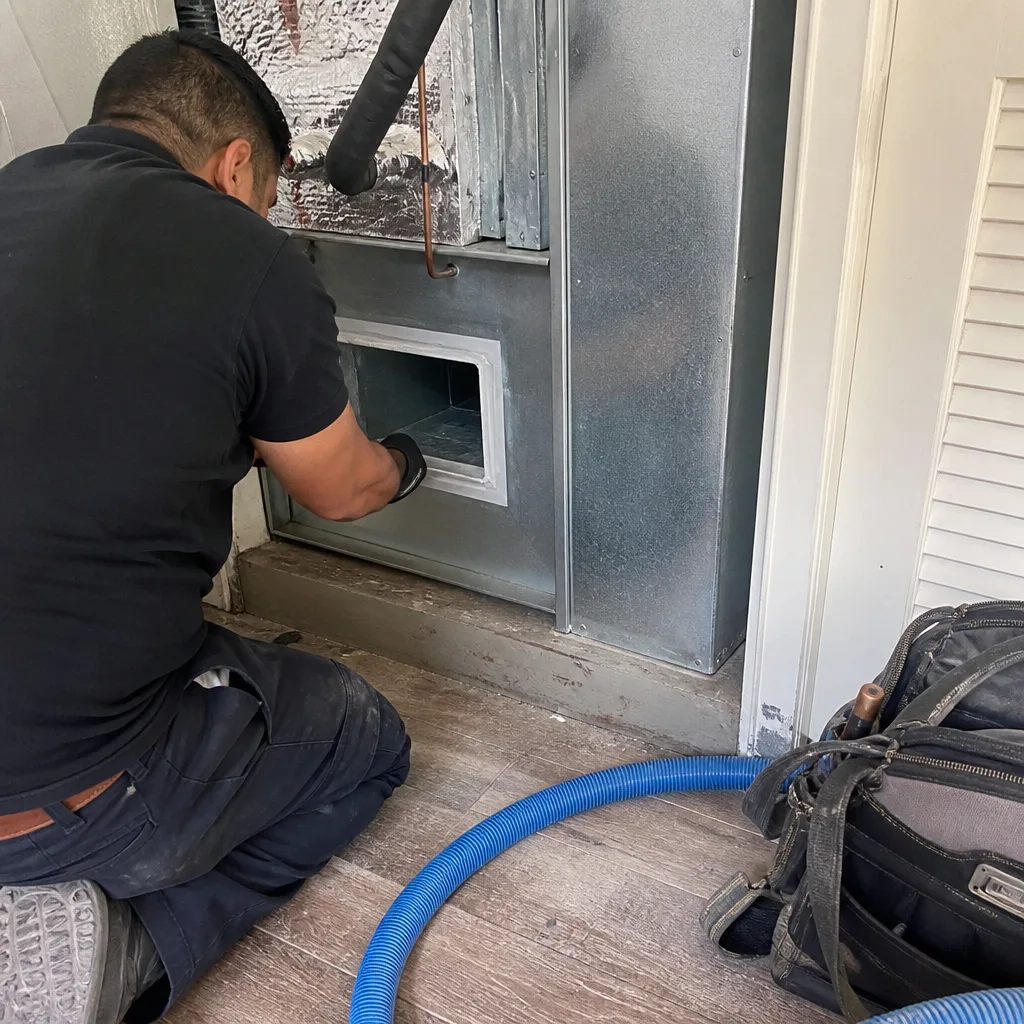 After
After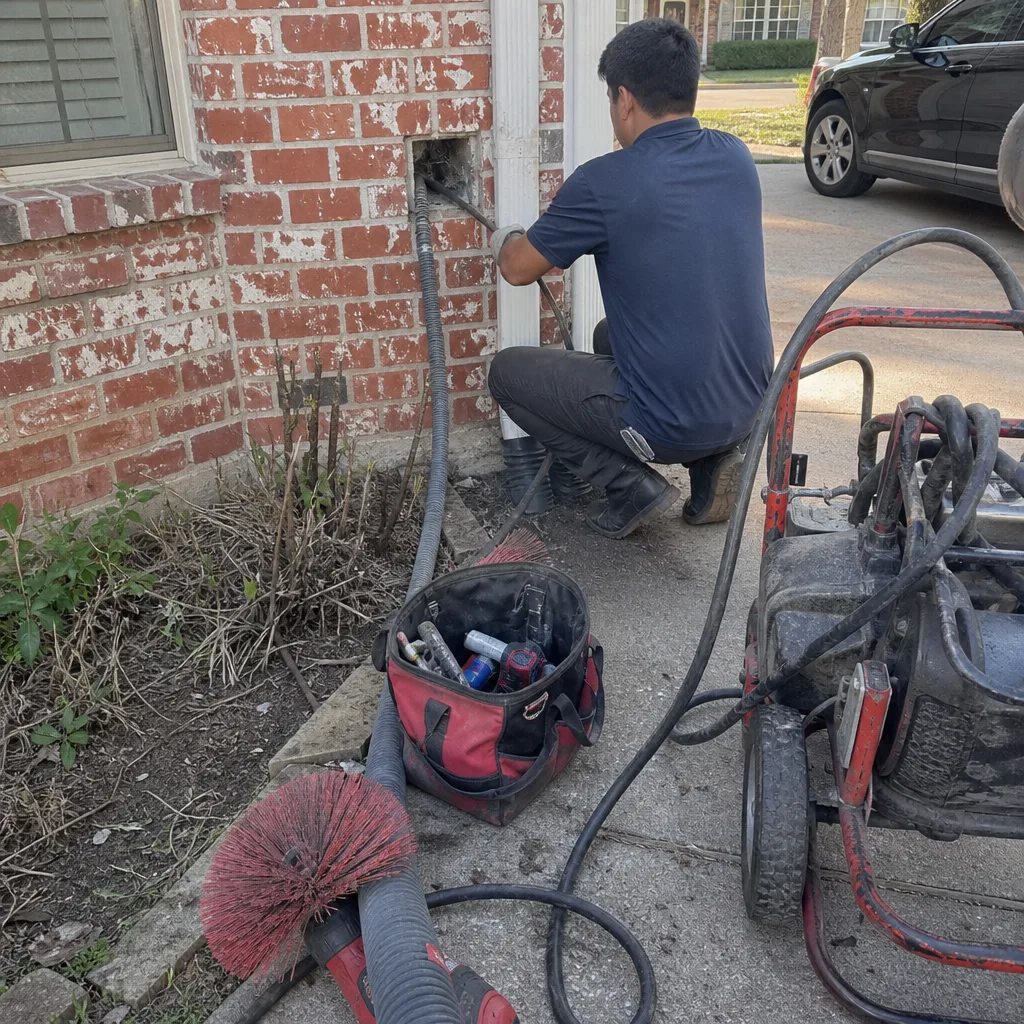 Before
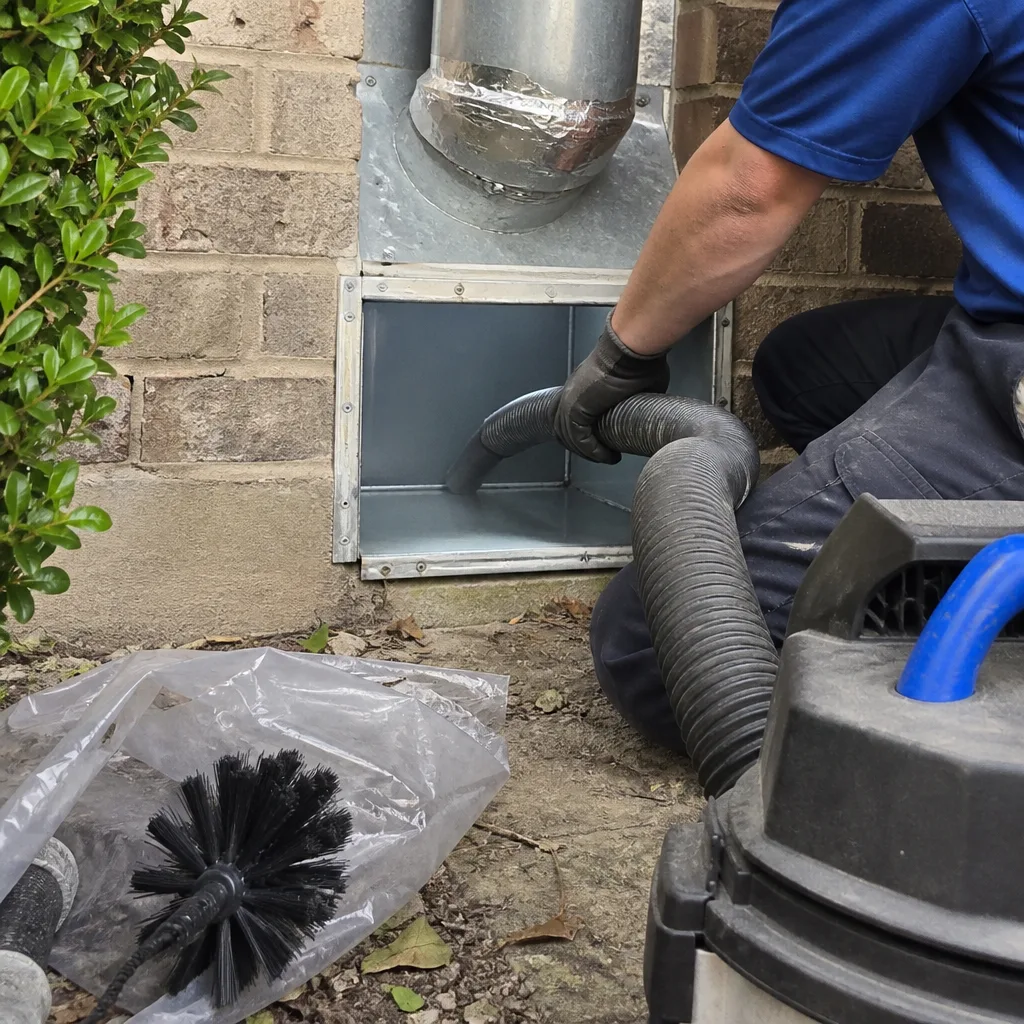 After
After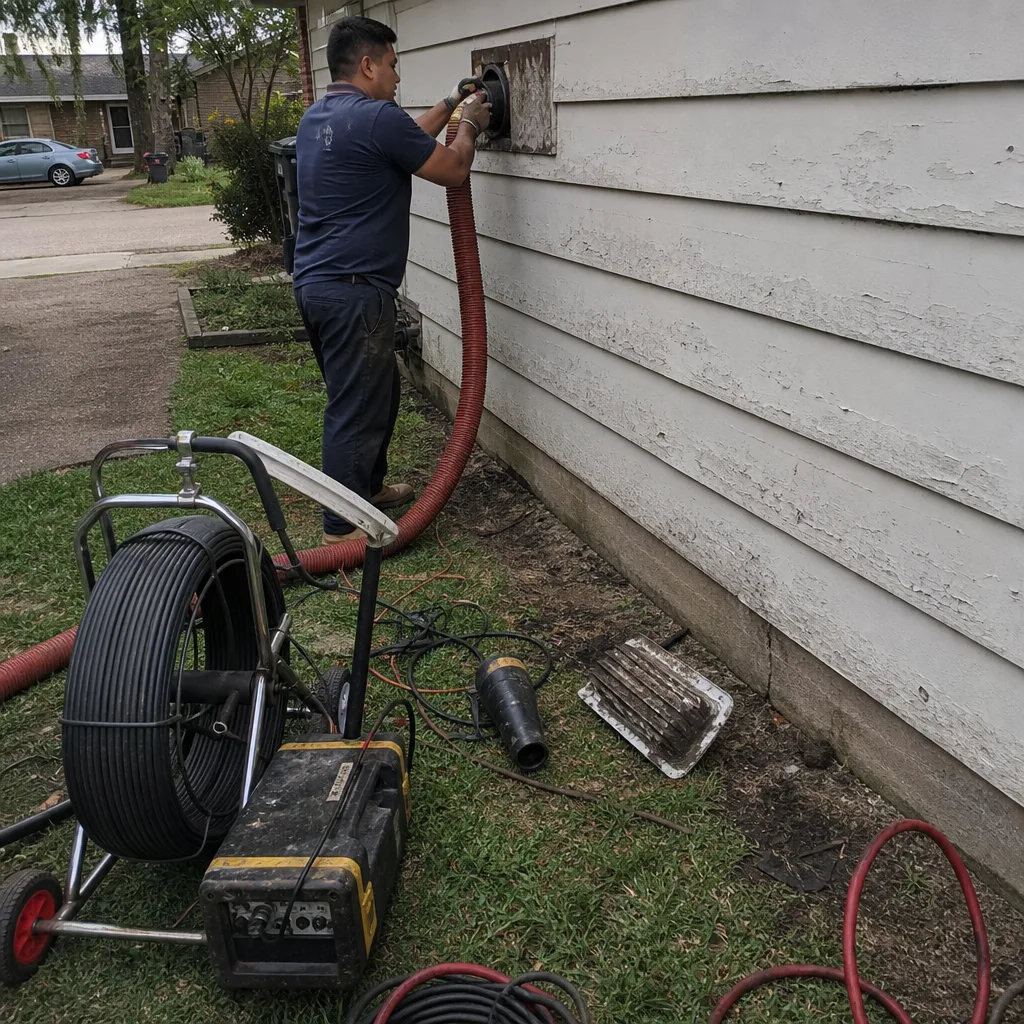 Before
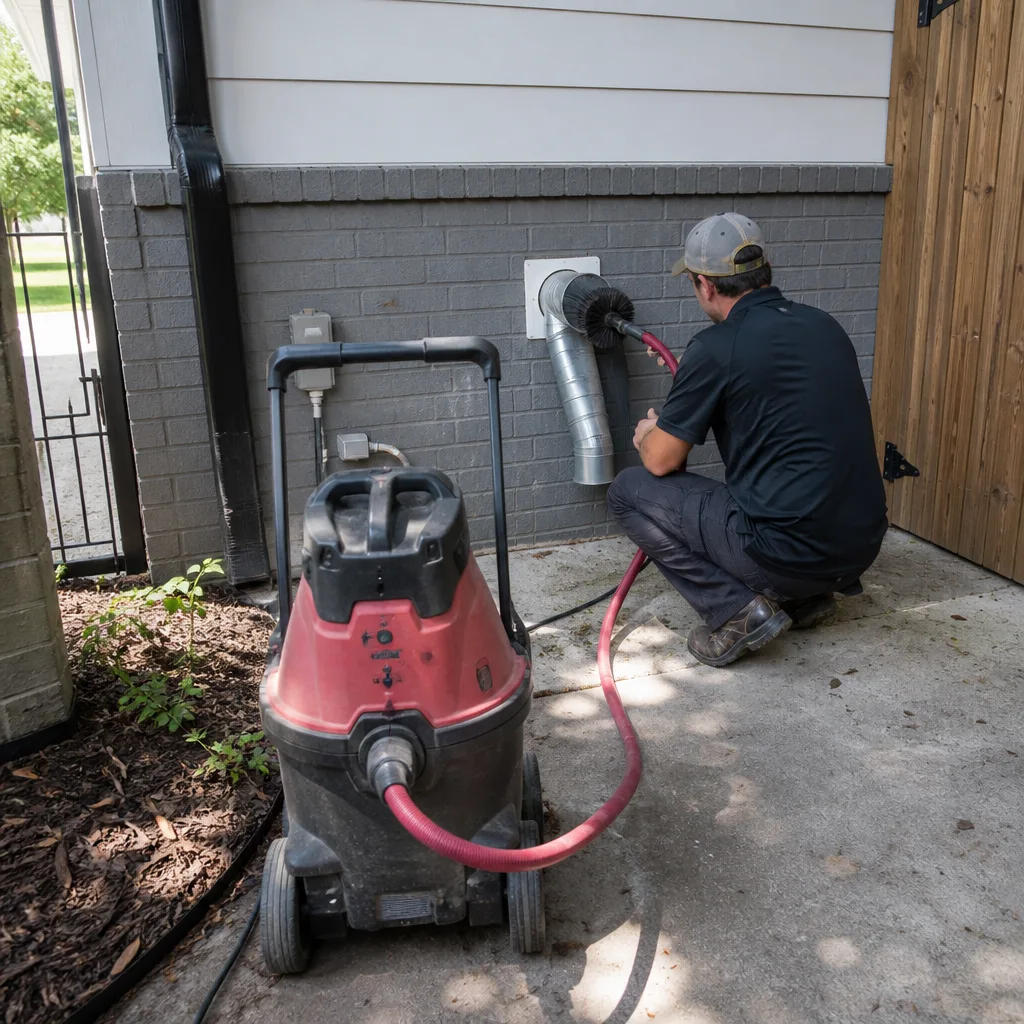 After
AfterNikro Duct Sealing & Repair: The Houston Owner’s Guide
We stock and install Nikro-compatible duct sealing components and repair assemblies for Houston homes, with most jobs running $340-$680 installed depending on access and system size. Same-day service is available when the part is on our truck, which it usually is for the common Nikro series. Most Houston homeowners discover the problem when a room stops heating or cooling evenly, or when their energy bill jumps twenty percent with no explanation - the sealant has cracked or the repair sleeve has pulled loose somewhere in the run.
Which Nikro Models This Applies To
Nikro builds duct sealing equipment across several product lines, and the repair parts are not interchangeable between them. The SL-1500 and SL-2000 aerosol sealant systems use a different injector assembly and hose diameter than the DS-100 manual sealing line. If you are trying to match a part, check the metal spec plate on the motor housing or the yellow Nikro serial tag - the series prefix (SL, DS, or HV for the high-velocity retrofit units) tells us which replacement kit to pull.
We carry OEM Nikro gaskets, injector nozzles, and flex-duct repair sleeves on every truck. For the SL-series sealant pumps, we also stock a quality aftermarket equivalent from Abatement Technologies that meets the same pressure spec and carries a comparable warranty. The aftermarket saves roughly sixty to ninety dollars on the part, but we will not install it on an HV-series unit - the higher operating pressure in those systems will blow out the seal in under two years, and we have documented that failure in three Energy Corridor jobs since 2019.
CleanRun Air Duct Cleaning Houston is an independent service provider. We are not affiliated with Nikro Manufacturing Company.
Signs Your Nikro Duct Sealing & Repair Is Failing
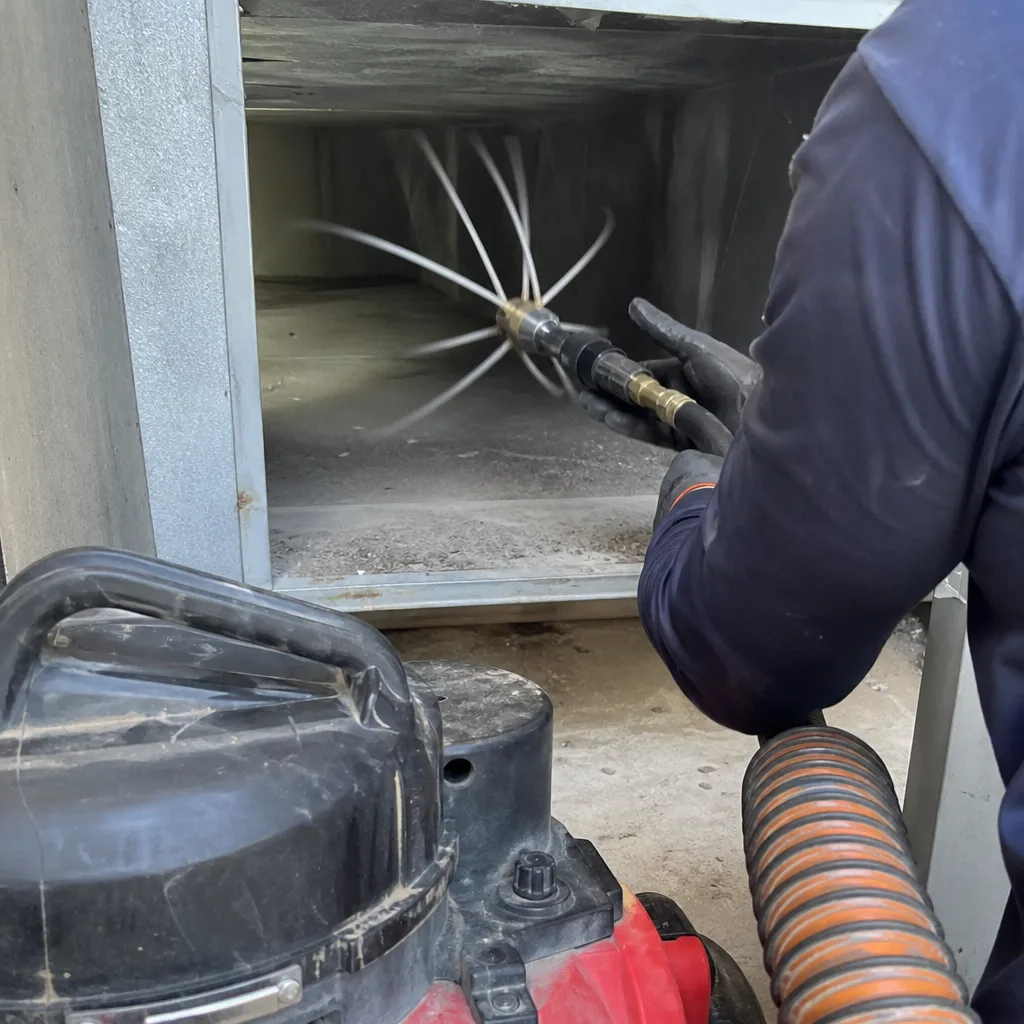
- Uneven temperatures room to room. The sealant that closes gaps in the duct run has cracked or shrunk, usually from thermal cycling in Houston’s attic heat. Conditioned air leaks into the attic before it reaches the register, so the far end of the system blows weak while the close rooms get blasted.
- Dust streaking at register edges or ceiling stains near boots. This means the repair sleeve or mastic seal between the duct and the register boot has failed. The pressure differential pulls attic dust through the gap, and in summer the humidity condenses on the cool metal, leaving a dark ring.
- Energy bill climbing with no thermostat change. A typical Houston home loses fifteen to twenty-five percent of conditioned air through duct leaks before the sealant repair fails completely. The HVAC system runs longer to hit the setpoint, and the meter records every extra minute.
- Hissing or whistling from walls or ceiling when the blower runs. That is high-pressure air escaping through a gap large enough to hear. On Nikro-sealed systems, it usually means the aerosol sealant has detached at a joint or the repair clamp has loosened from vibration.
- Musty smell when the AC first kicks on. Gulf Coast humidity enters the duct through failed seals, condenses in the cool metal, and grows mold or mildew in the fiberglass liner. The smell hits hardest on the first cycle of the day because the colony has had hours to off-gas.
BeforeAfterReplacement Cost & What’s Included
| Service | Typical Range | What’s Included |
|---|---|---|
| Nikro sealant injector replacement (SL-series) | $340-$480 | OEM or approved aftermarket part, labor, pressure test, photo record |
| Flex-duct repair sleeve with Nikro-compatible clamp set | $280-$420 | Sleeve, clamps, mastic seal, labor, pressure test, photo record |
| Full duct run re-seal (Nikro aerosol reapplication) | $520-$680 | System isolation, negative-pressure extraction prep, sealant application, verification test, full photo record |
The range depends on three things: how many feet of duct need opening, whether the work is in an accessible attic or a sealed chase, and whether we find secondary damage (saturated insulation, corroded metal) once the camera goes in. We deliver a written price before any panel comes off, under Haven Standard Clause 1. Every job includes our Documented Photo Record - inside every run, before and after - and is backed by the 365-Day Done Right Promise in writing.
DIY or Call Us?
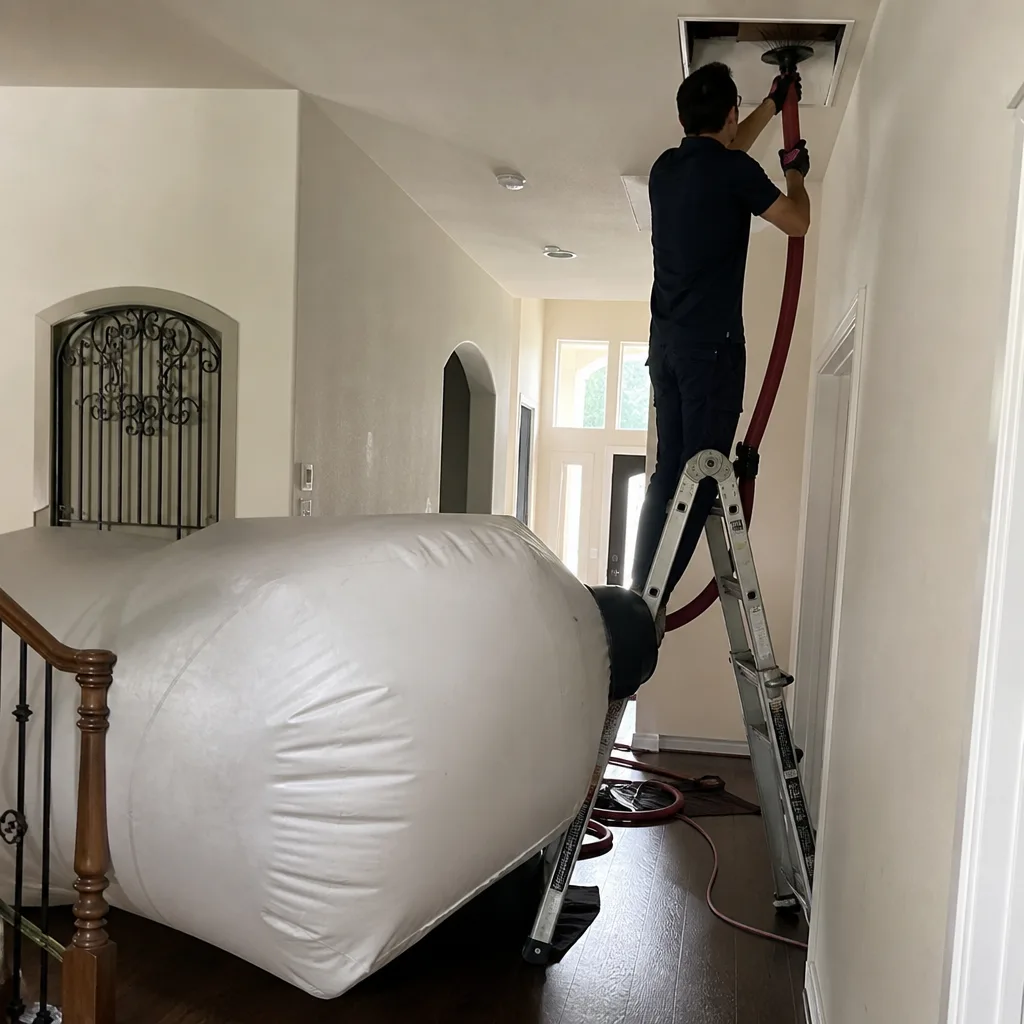
There is a safe middle ground here, and then there is the line where it gets expensive to fix your own fix.
What you can check yourself: walk the accessible ductwork in your attic and look for gaps where metal meets flex, or where mastic has turned to powder. If the Nikro label is still legible on your equipment, photograph it - the model prefix saves us fifteen minutes of diagnostic time. Check your filter; a collapsed cheap filter can pull debris backward through the system and clog the sealant injector, which mimics a part failure.
Where DIY goes wrong: aerosol duct sealant is a two-part compound that sets in about forty seconds and bonds to skin permanently. The SL-series injector runs at roughly ninety PSI, enough to embed sealant droplets in an eye. We have found homeowner repair attempts where the sealant was applied to the outside of the duct (useless) or where the negative-pressure setup was reversed, blowing loose fiberglass through the house. The photo goes first. The pitch comes later, if it’s warranted. If you are not set up for contained negative-pressure extraction, call us at (346) 251-8919 and we will quote it in writing.
FAQs
In Houston’s climate, a properly applied Nikro aerosol seal lasts twelve to eighteen years in an attic that stays below 140°F, and eight to twelve years in a dark shingle roof with poor ventilation. The Gulf Coast humidity accelerates thermal cycling, which is why we inspect sealant condition as part of any duct cleaning we perform. Call (346) 251-8919 for an exact assessment - estimates are free.
Localized patching works if the failure is under four linear feet and the surrounding sealant is still flexible. We test with a smoke pencil and pressure gauge; if the leak is isolated, we apply compatible mastic or a Nikro repair sleeve. If the sealant has gone chalky across multiple joints, patching is false economy - the next failure is six months away. We will show you the camera footage and put both options in writing.
An injector or sleeve replacement on a single accessible run takes ninety minutes to two hours. A full-system aerosol reseal takes four to six hours, including setup, cure time, and verification testing. We do not rush the cure - the sealant is load-bearing, and walking it early creates a weak point that fails in the first summer.
We carry SL-series injectors, nozzles, gaskets, and flex-duct repair sleeves on every truck. HV-series parts and specialized retrofit adapters we keep at our Houston warehouse and can have on-site within four hours on business days. When you call (346) 251-8919, tell us the series prefix from your spec plate and we will confirm stock before we schedule.
Ready to get it handled? Call (346) 251-8919 and we will put a written price in your hand before any work starts, backed by the 365-Day Done Right Promise and a full Documented Photo Record of every duct run we touch. We also stock parts for Lennox, Trane, and Carrier systems if your setup is mixed-manufacturer.
Written by Tomas Reyes, Owner, CleanRun Air Duct Cleaning Houston at CleanRun Air Duct Cleaning Houston, serving Houston and nearby areas.