
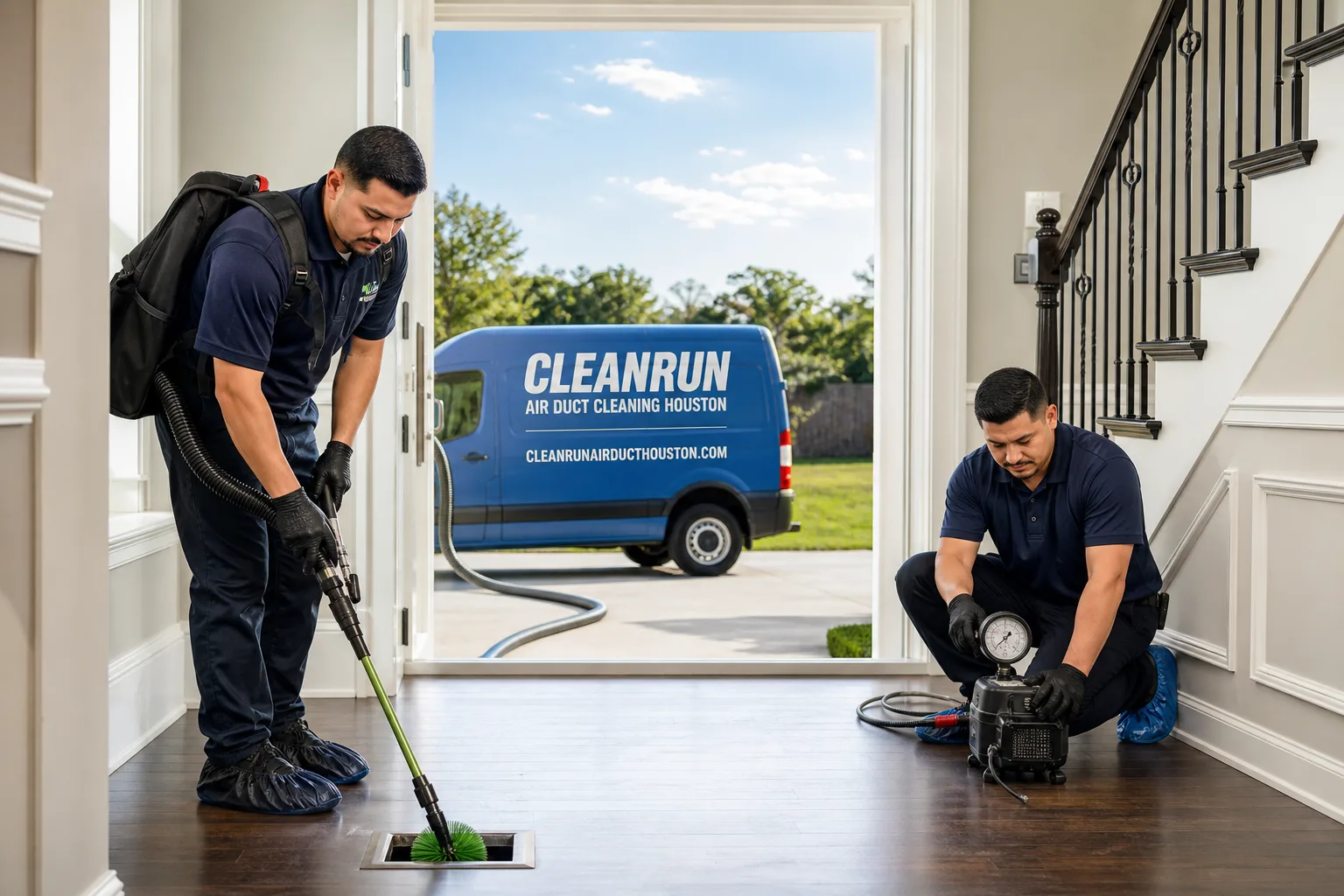
Whole-system duct and dryer vent check with before-and-after photos - you see exactly what came out of your vents
That "$99 whole-house special" is a bait ad - the real number appears once they are in your hallway, or the "clean" is a shop-vac at the register. We photograph the inside of your ducts before and after instead.
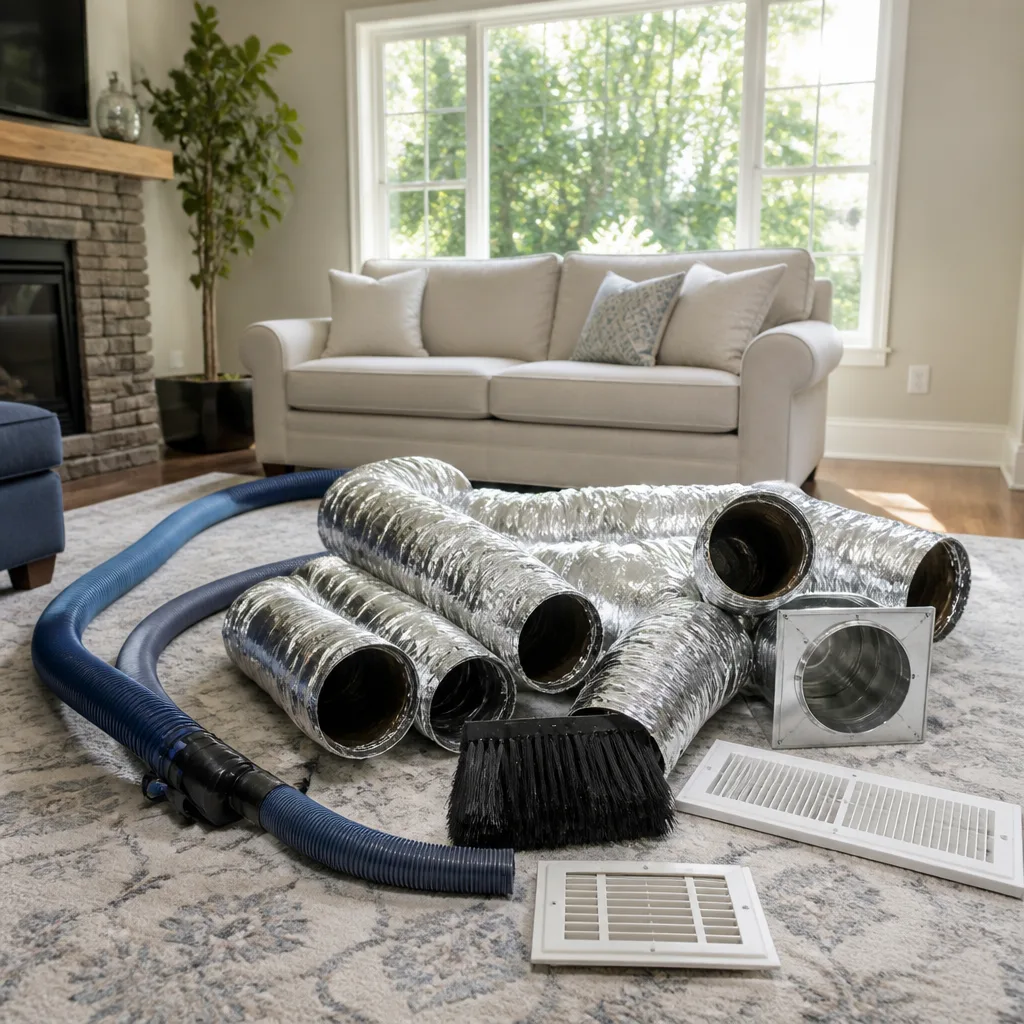
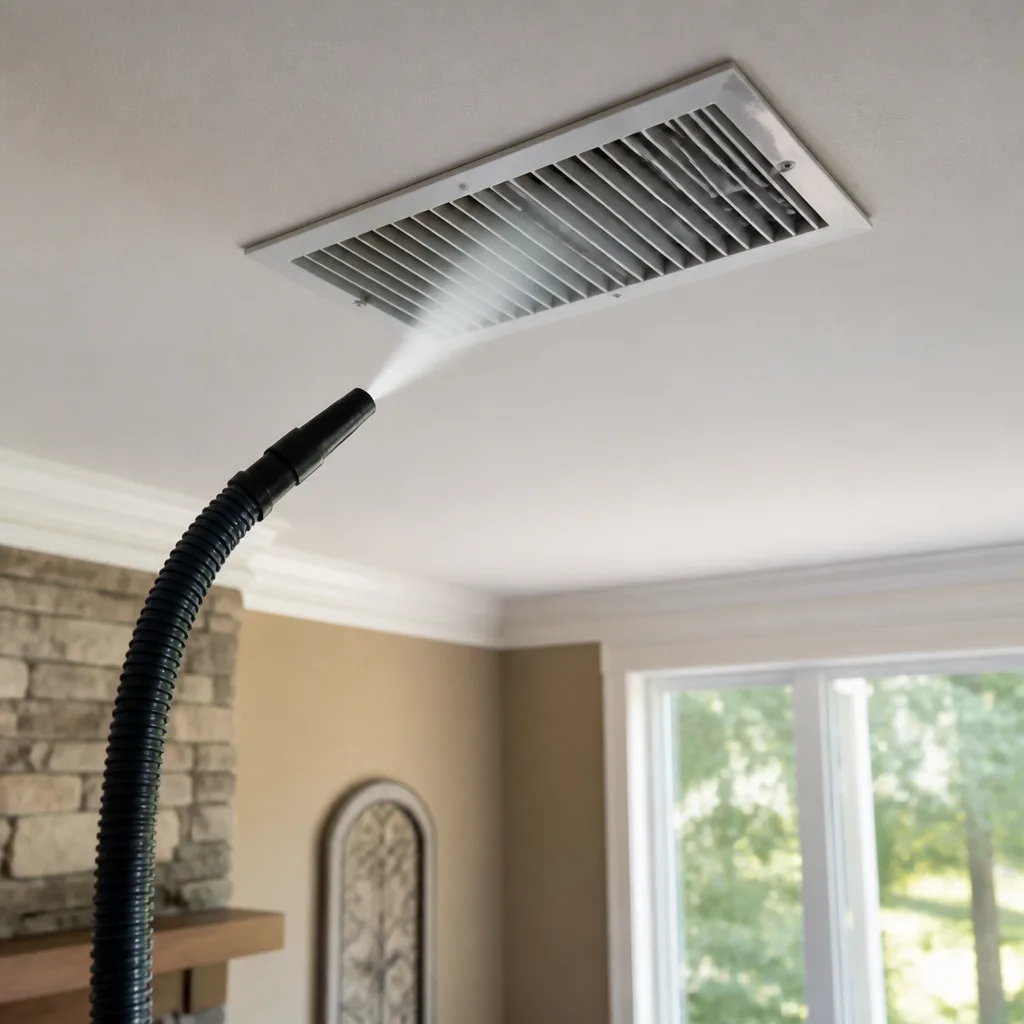
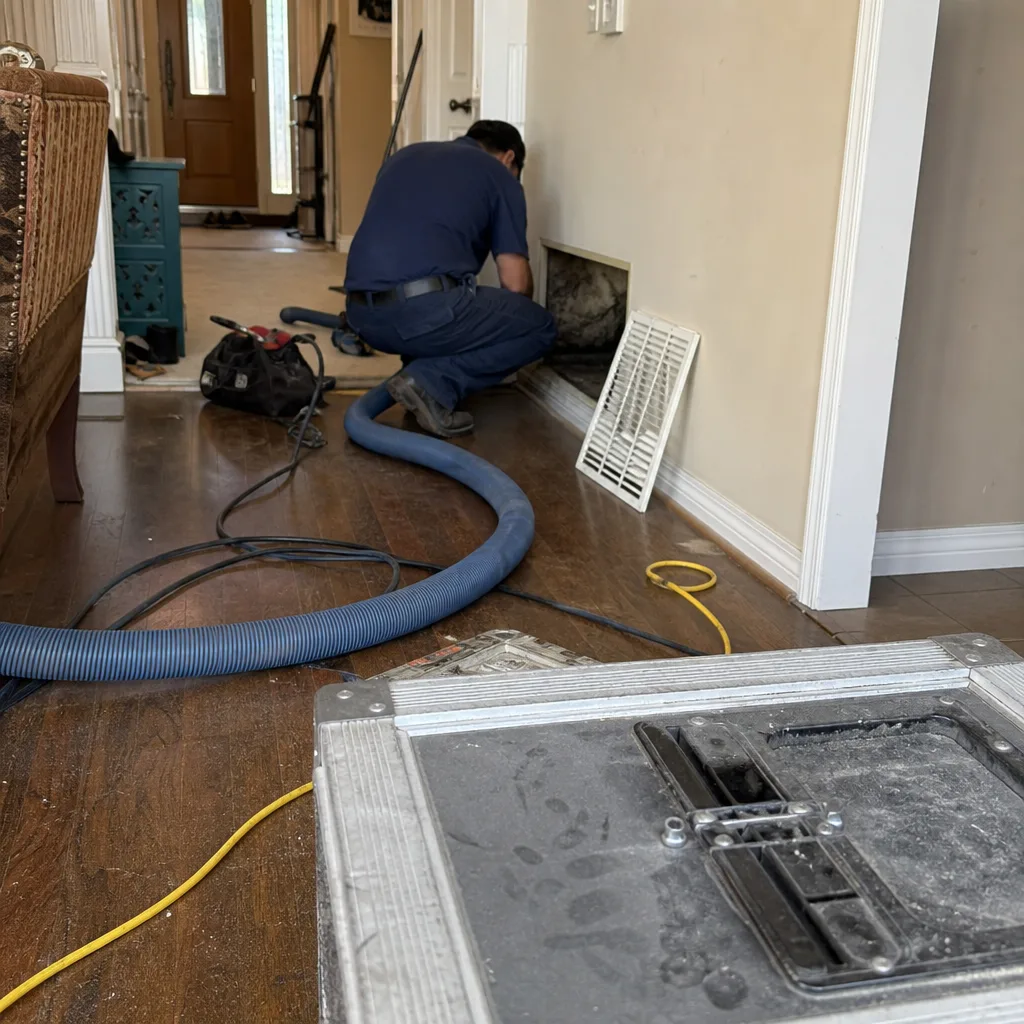 Before
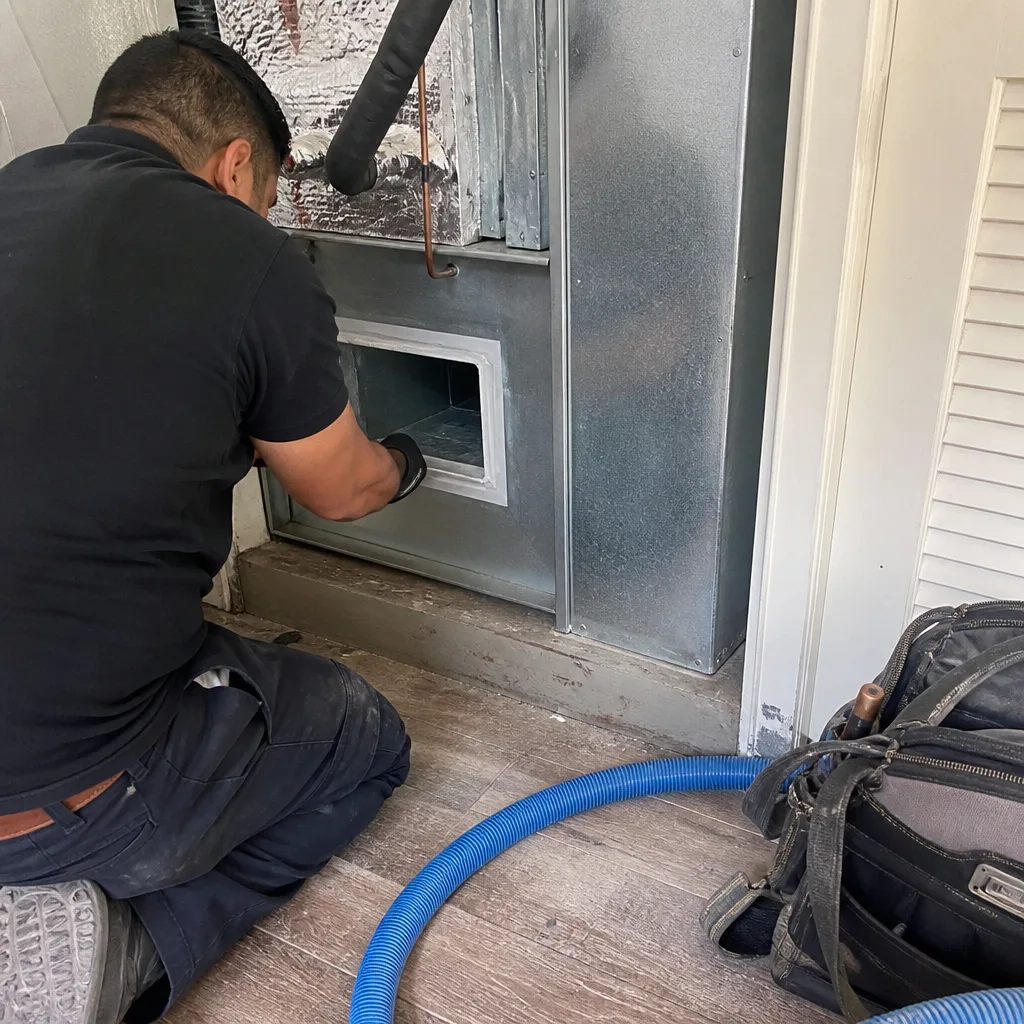 After
After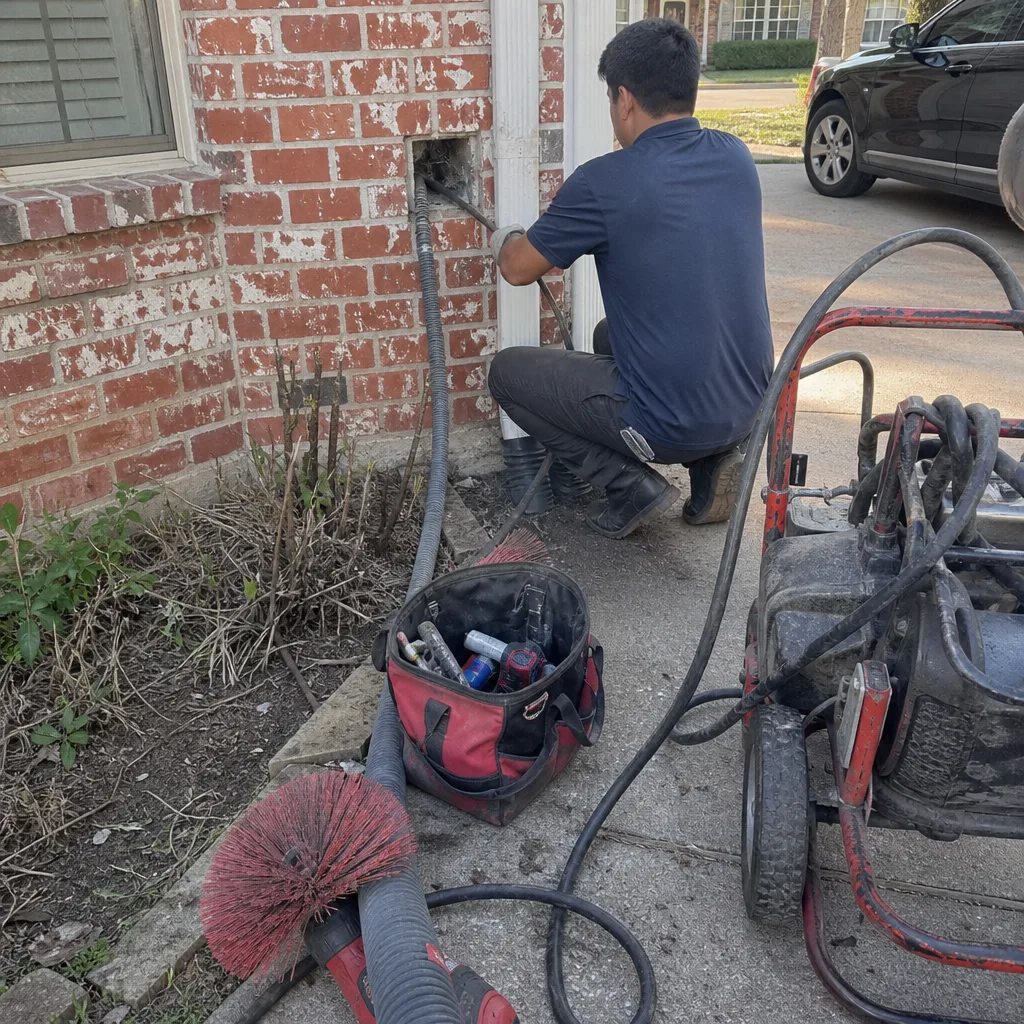 Before
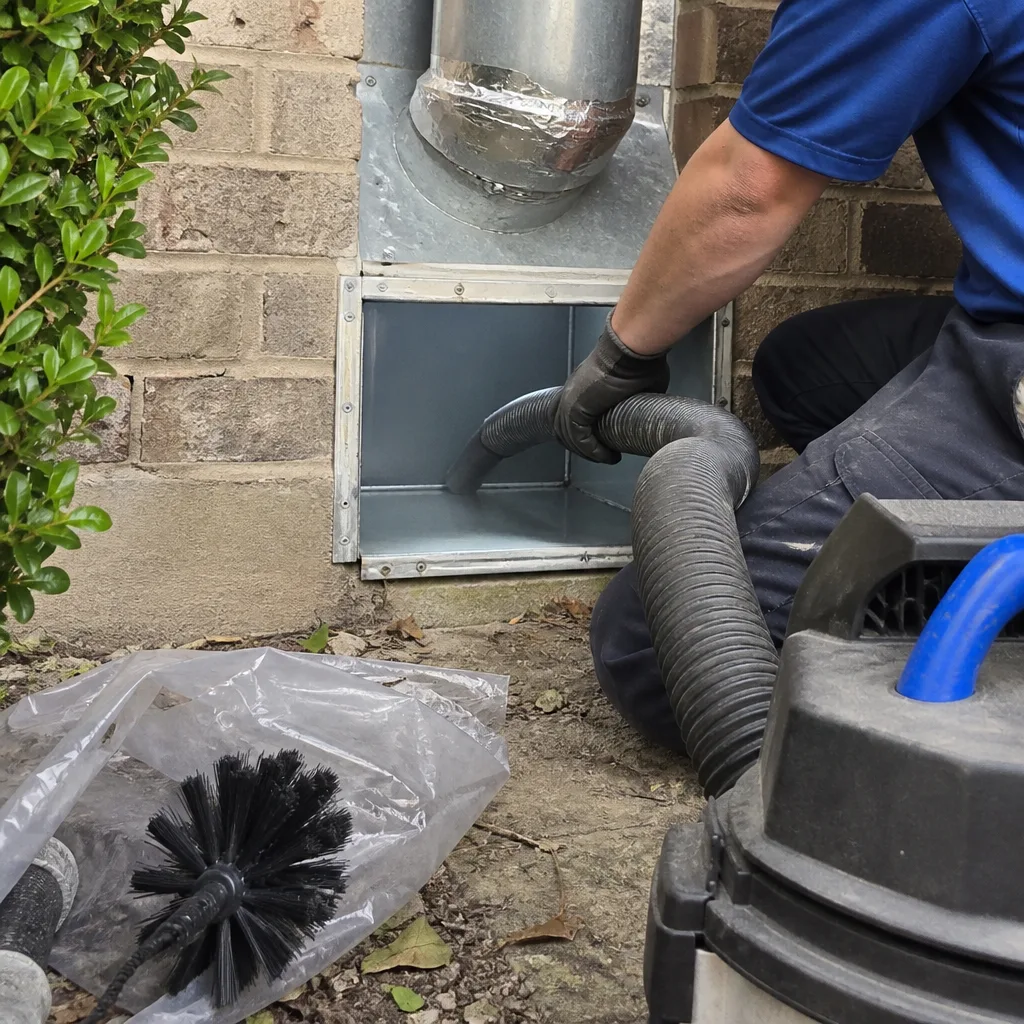 After
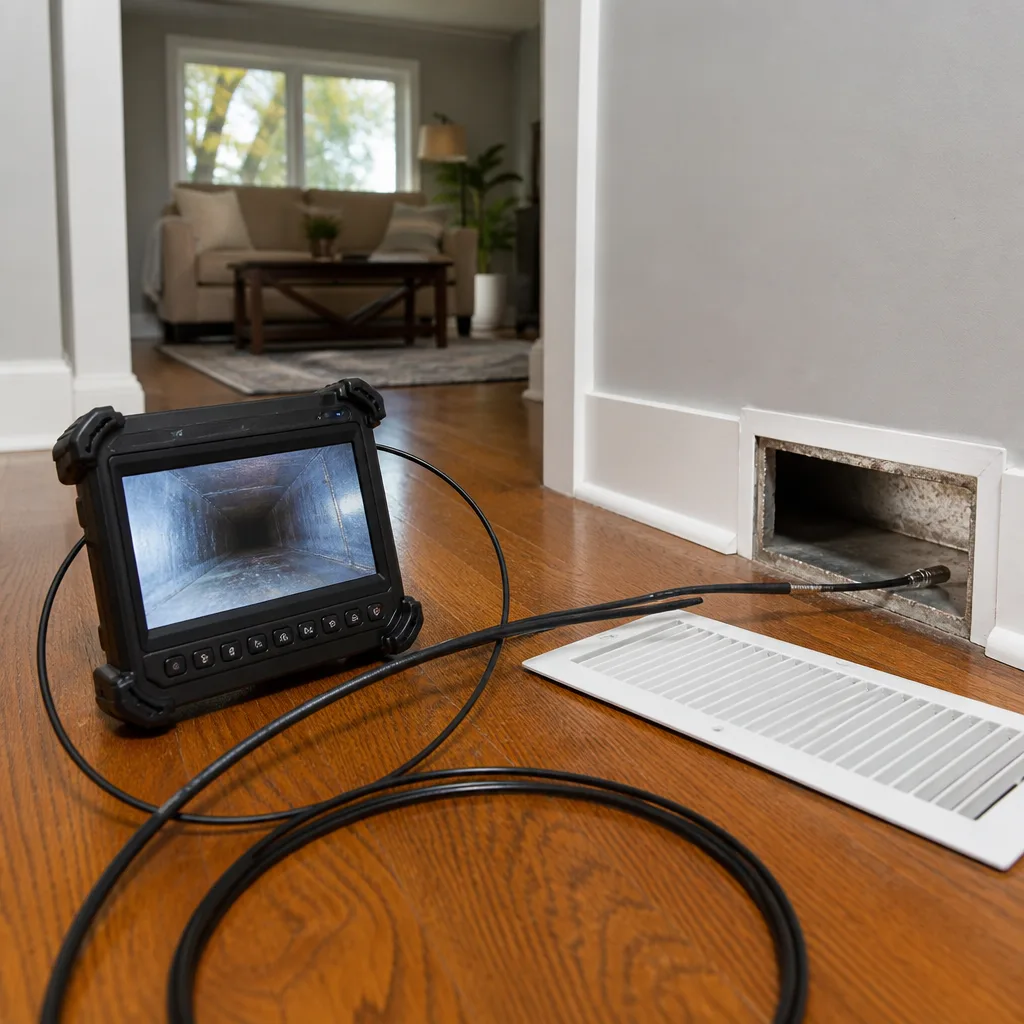
After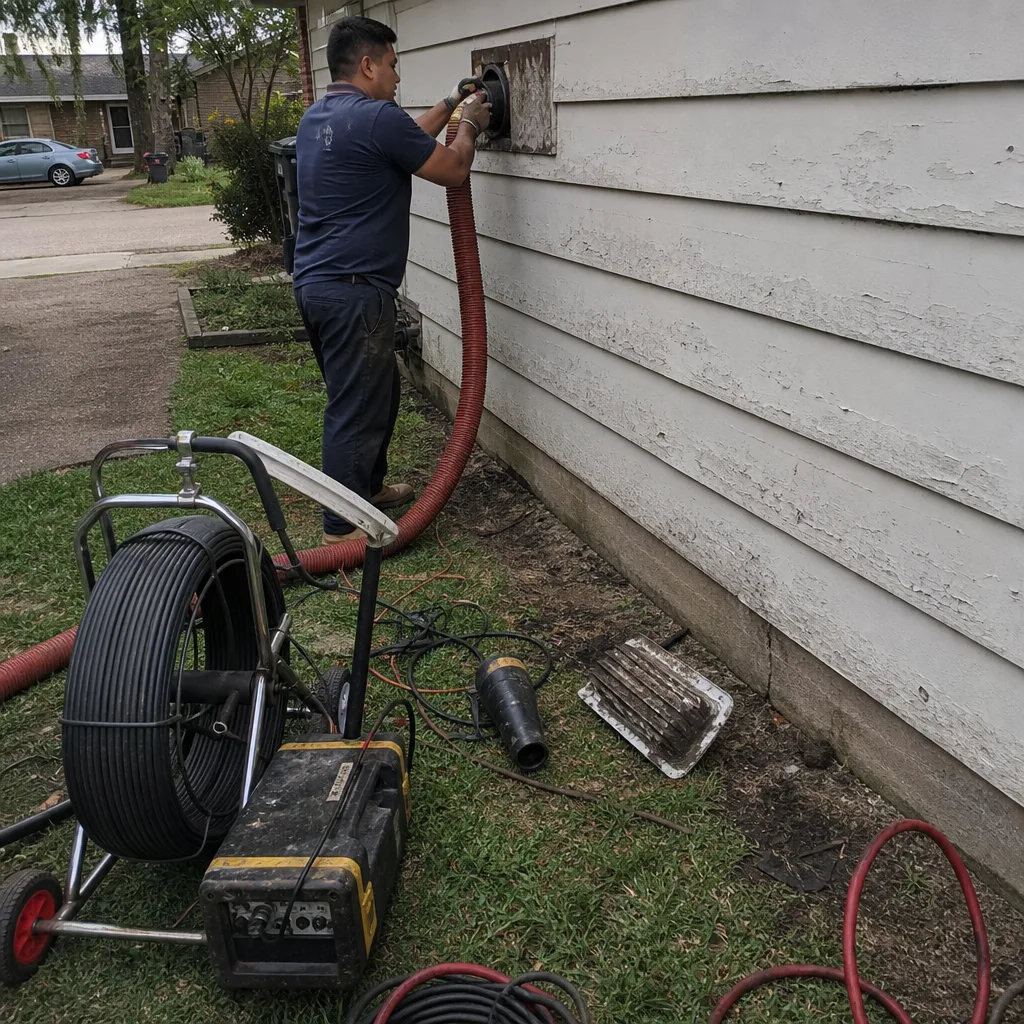 Before
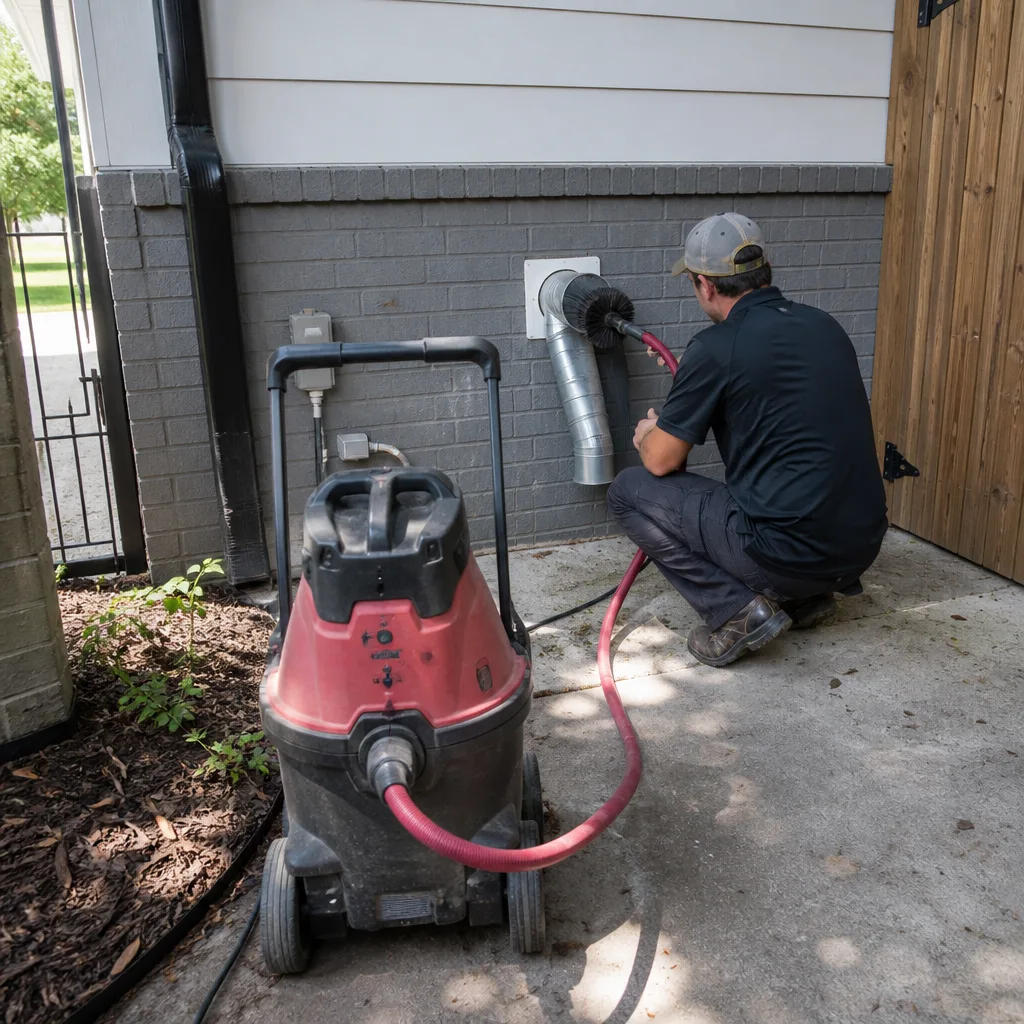 After
AfterHow Much Does Air Quality & Sanitizing Cost in Houston?
Air quality and sanitizing services in Houston typically cost between $150 and $900, depending on home size, the treatment type, and whether the work follows a duct cleaning or stands alone. Most Houston homeowners with a 2,000-3,000 sq ft home pay $250-$450 for a full duct sanitizing treatment after a documented duct cleaning. At CleanRun, every price is delivered in writing before a single panel comes off – no “call for a quote,” no estimate that changes at the door.
Air Quality & Sanitizing Cost Breakdown (2026)
The table below reflects real pricing in the Houston market as of 2026. These are the line items that appear on a CleanRun written scope – not ranges pulled from a national average that has never seen a Houston slab-foundation home in August.
| Service | Typical Houston Price Range | Notes |
|---|---|---|
| Duct Sanitizing Treatment (fog/mist, standard home) | $150 – $300 | Applied after negative-pressure extraction; 1,500-3,000 sq ft |
| Duct Sanitizing Treatment (large home / complex layout) | $300 – $500 | 3,000-5,000 sq ft; homes with multiple air handlers common in Memorial, Tanglewood |
| EPA-registered antimicrobial coating (ducts + plenum) | $250 – $450 | Plenum = the main distribution box where conditioned air originates before entering individual runs |
| UV-C germicidal light installation (single unit) | $280 – $500 | Installed at the air handler; Honeywell and Aprilaire units available |
| UV-C germicidal light installation (dual coil + air handler) | $450 – $750 | Covers both evaporator coil and return-air stream |
| HEPA air scrubbing (standalone, per day) | $80 – $150 | Using Nikro or Abatement Technologies units; common post-flood or post-renovation in Houston homes |
| Whole-home air purifier installation (Aprilaire or Honeywell) | $400 – $900 | Installed in-duct; includes labor and written scope |
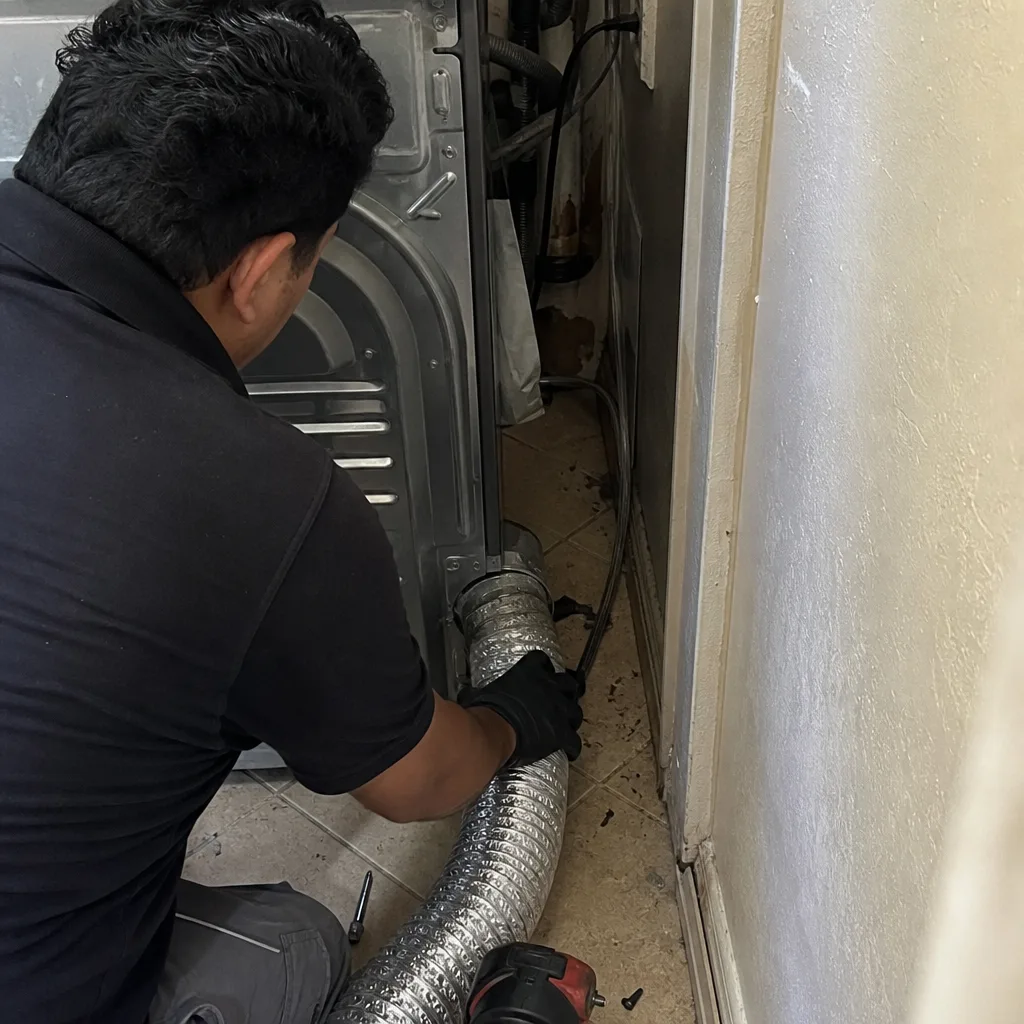
| Dryer vent sanitizing add-on | $50 – $100 | Typically paired with dryer vent cleaning; reduces microbial load in the vent run |
| Indoor air quality assessment (pre-service camera inspection) | $0 – $75 | CleanRun includes the camera inspection and documented photo record as standard on every job |
What These Prices Actually Include
A duct sanitizing treatment at the low end of the range – say, $150 for a 1,500 sq ft townhouse in the Heights – covers the EPA-registered sanitizing agent applied via a fogging or misting system after negative-pressure extraction has already cleared the debris. Negative-pressure extraction means a high-volume collection unit from Nikro is connected to the main trunk line so that dislodged material flows toward the unit rather than into the living space. Sanitizing without that step first is like painting a wall without washing it: the product goes on top of the problem.
At the higher end – $700-$900 for a 4,500 sq ft home in Katy or Cinco Ranch with two air handlers and a heavily contaminated plenum – that price reflects more square footage, more duct runs to photograph and treat, a second air handler unit, and often an antimicrobial coating applied to the plenum box itself. The Guardsman antimicrobial products CleanRun uses carry EPA registration numbers that technicians can show on-site before application begins.
Every CleanRun job in Houston ends with a documented photo record – inside every duct run, before and after – delivered to the customer as part of the standard job record. That has been standard practice since the first job in 2013.
What Affects Air Quality & Sanitizing Pricing in Houston
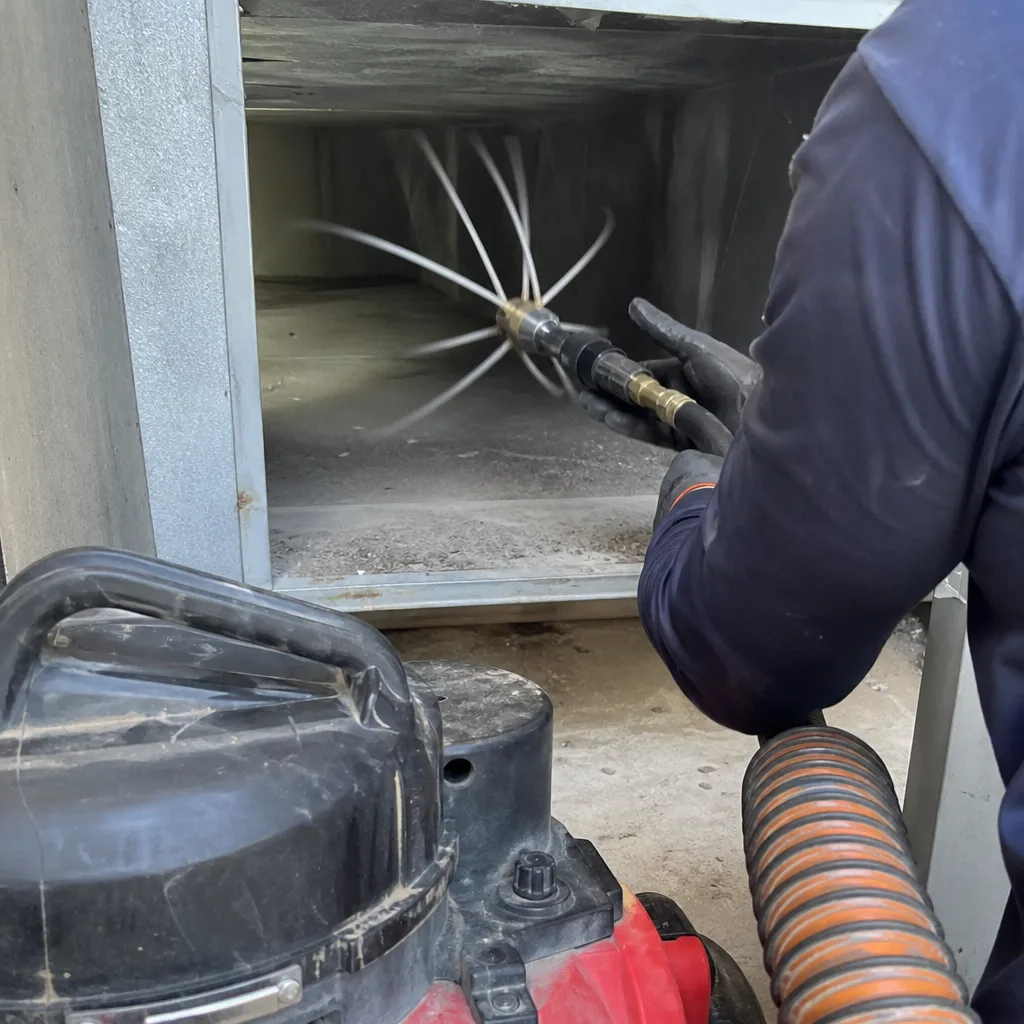
Houston’s climate, housing stock, and HVAC configurations create pricing variables that generic national guides don’t account for. Here’s what actually moves the number on a written CleanRun scope.
- Home size and number of duct runs: A 1,800 sq ft bungalow in Montrose might have 10-12 supply registers and a single return. A 4,200 sq ft home in Sugar Land can have 22+ runs, two air handlers, and a zoned system – each zone needs to be treated separately. More runs equals more time, more sanitizing agent, and a higher price.
- Houston’s humidity levels and microbial load: Houston consistently ranks among the most humid metro areas in the country. Average indoor relative humidity without active control sits above 60% for a significant part of the year. That creates favorable conditions for mold and microbial growth inside ductwork, particularly at flex duct connections near unconditioned attic space. When camera inspection shows active microbial growth rather than surface dust, the scope expands and the price reflects it.
- Age and type of ductwork: Homes built before 1990 in older Houston neighborhoods – Oak Forest, Garden Oaks, Cottage Grove – frequently have original metal duct with multiple crimped elbows that trap debris and resist fogging. Flex duct, which became standard in Houston construction through the 1990s and 2000s, has corrugated inner liners that hold particulate differently. Both require different application techniques, which affects labor time.
- Whether sanitizing follows a cleaning or stands alone: Sanitizing applied after a full documented cleaning costs less than sanitizing applied to ducts that have not been cleared first, because the latter requires additional scope to be effective. CleanRun’s camera inspection establishes the baseline before any price is written.
- Treatment product selected: A fogging application of an EPA-registered sanitizer costs less than an antimicrobial encapsulant coating applied to the plenum and trunk lines. UV-C germicidal light installation is a one-time capital cost that replaces ongoing chemical treatments for many Houston homeowners who run their systems year-round.
- Access difficulty: Slab-foundation homes common in Clear Lake and Pearland often run ductwork through the attic, which reaches 130-150°F in Houston summers and creates its own set of conditions. Homes with ductwork in a crawl space or below a raised pier-and-beam foundation require different access, which takes more time and is priced accordingly.
BeforeAfterHouston-Specific Context: Why Air Quality Service Costs What It Does Here
This is worth a moment because Houston’s conditions are materially different from the national average, and pricing that doesn’t reflect that is pricing that won’t deliver a real result.
First, the moisture. Houston’s Gulf Coast humidity means HVAC systems run longer cycles than in drier climates, and the evaporator coil – the cold surface inside the air handler where heat exchange happens – stays wet for extended periods. A wet coil is a surface where microbial growth can establish and then circulate through every duct run in the house. In River Oaks and Bellaire, where older homes often have original coil assemblies, this is a documented finding on camera inspection more often than not.
Second, flooding history. Since Harvey in 2017, a significant percentage of Houston homes have had at least minor water intrusion. Even homes that didn’t flood directly sometimes had elevated indoor humidity for weeks afterward, enough to allow mold spore germination inside ductwork that looked clean from the register. HEPA air scrubbing with Abatement Technologies units became standard post-remediation protocol for those homes, and the practice has continued because the conditions that caused the problem haven’t changed.
Third, construction vintage. The Houston building boom of the 1990s and early 2000s produced a large housing stock with flex duct systems that were correctly installed at the time but are now 20-30 years old. Flex duct doesn’t fail all at once; it develops pinhole tears at crimped connections, which allow unconditioned attic air – hot, humid, and unfiltered – to mix with the conditioned air stream. That mixing point is where microbial contamination typically starts. Catching it on camera before it becomes a larger problem is exactly what the pre-service inspection documents.
How CleanRun Prices This Work: The Written Scope Before Anything Else
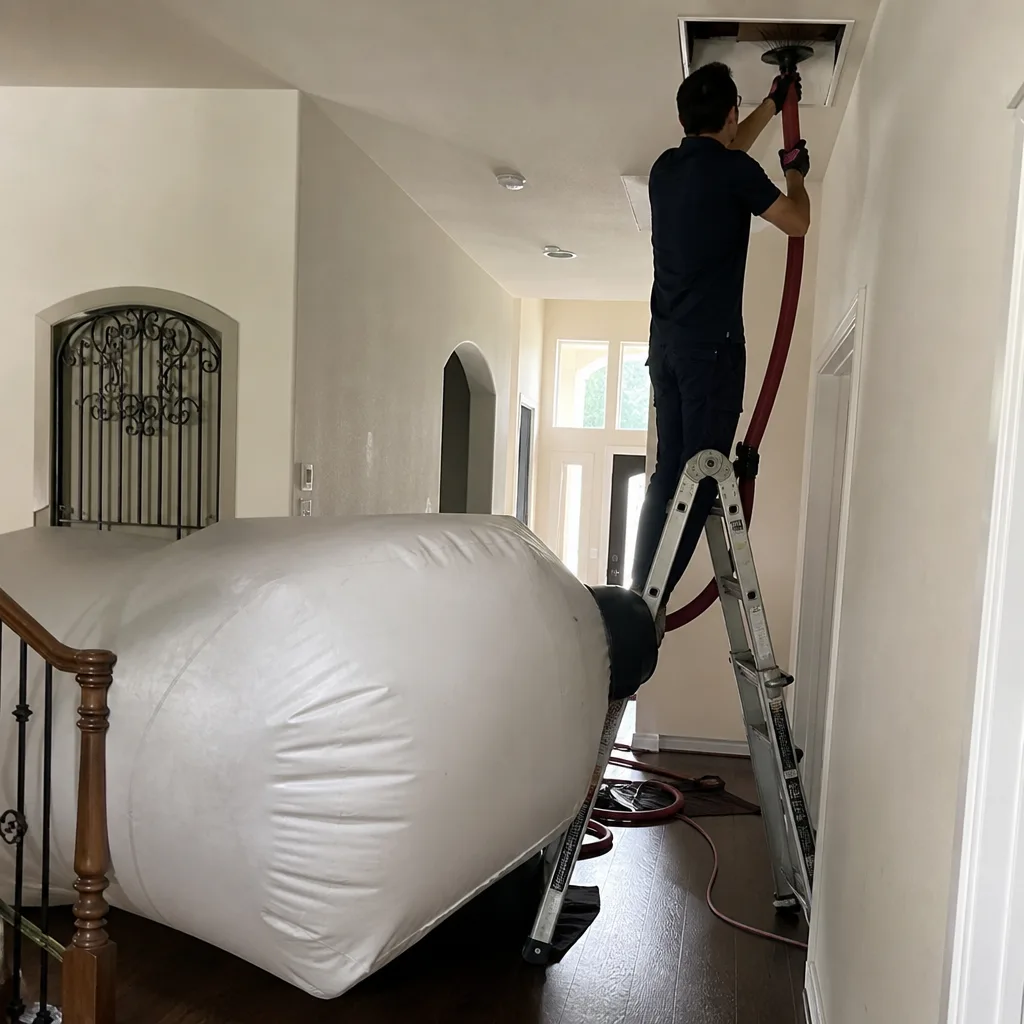
Under Haven Standard Clause 1, every CleanRun job in Houston starts with a written price delivered before any work begins. That’s not a marketing line – it’s the operating rule that every technician operates under. When Tomas Reyes built the H.A.V.E.N. Standard into CleanRun’s operations, the premise was straightforward: a customer who has a written price in hand before the first panel comes off is a customer who can make an informed decision. A customer who gets a price at the end of a job can’t.
What that means in practice: a CleanRun technician arrives, conducts a camera inspection of the duct system, photographs what’s inside each run, and delivers a written scope with a line-item price. If you have a competitor’s written estimate, Tomas’s team will put CleanRun’s own number next to it in writing at no charge – a free second opinion that has been standard since the company’s founding.
The photo record from that camera inspection becomes part of the job record the customer receives when the work is done. Before-and-after documentation of every duct run. Not a summary. Not a verbal description of what was found. The actual images, so the difference between real work and shop-vac noise is visible to the customer without requiring them to take anyone’s word for it.
How to Save on Air Quality & Sanitizing in Houston
There are real ways to reduce what you spend on air quality service without cutting corners that matter. Here’s what experienced Houston homeowners tend to do.
- Bundle with a full duct cleaning: Sanitizing applied immediately after a documented duct cleaning is more effective and often discounted compared to scheduling it as a standalone visit. The duct system is already open, the equipment is already connected, and the cost per hour of technician time goes further. Ask specifically what the bundled price looks like before accepting a line-item quote for each service separately.
- Get a written scope and compare it to a competitor’s written scope: Not a verbal estimate. Not a “starting at” price on a website. A written line-item scope. CleanRun offers a free second opinion on any written estimate – call (346) 251-8919 and Tomas’s team will put their number next to the competitor’s number in writing. That comparison is the only one that holds up.
- Schedule in fall or early spring: Houston HVAC seasons run long, but the period between late October and February tends to have shorter scheduling windows and faster availability. Air quality work done before the high-humidity season in Houston – roughly April through September – also has more time to work before conditions favor regrowth.
- Invest in a UV-C unit once rather than repeat chemical treatments: For Houston homes that have recurring microbial issues at the evaporator coil, a UV-C germicidal light installation from Honeywell or Aprilaire runs $280-$750 once and reduces the ongoing need for antimicrobial fogging treatments. The math favors the UV-C installation after two to three fogging cycles in most cases.
- Don’t skip the camera inspection to save money: Several Houston area duct cleaning companies offer a flat rate that doesn’t include a pre-service inspection. That rate looks lower until the technician is on-site and adds line items for conditions that a camera would have caught upfront. The CleanRun inspection is included in every job – the written price accounts for what was actually found, not a best-case assumption.
- Use MERV-13 filtration between service visits: A properly installed MERV-13 filter – sized for the system’s airflow capacity, not just the filter slot – reduces particulate load between cleanings and extends the interval before sanitizing is needed again. This is a $20-$40 maintenance cost that reduces how often a $300+ service is necessary.
What You’re Paying For: Breaking Down the Work
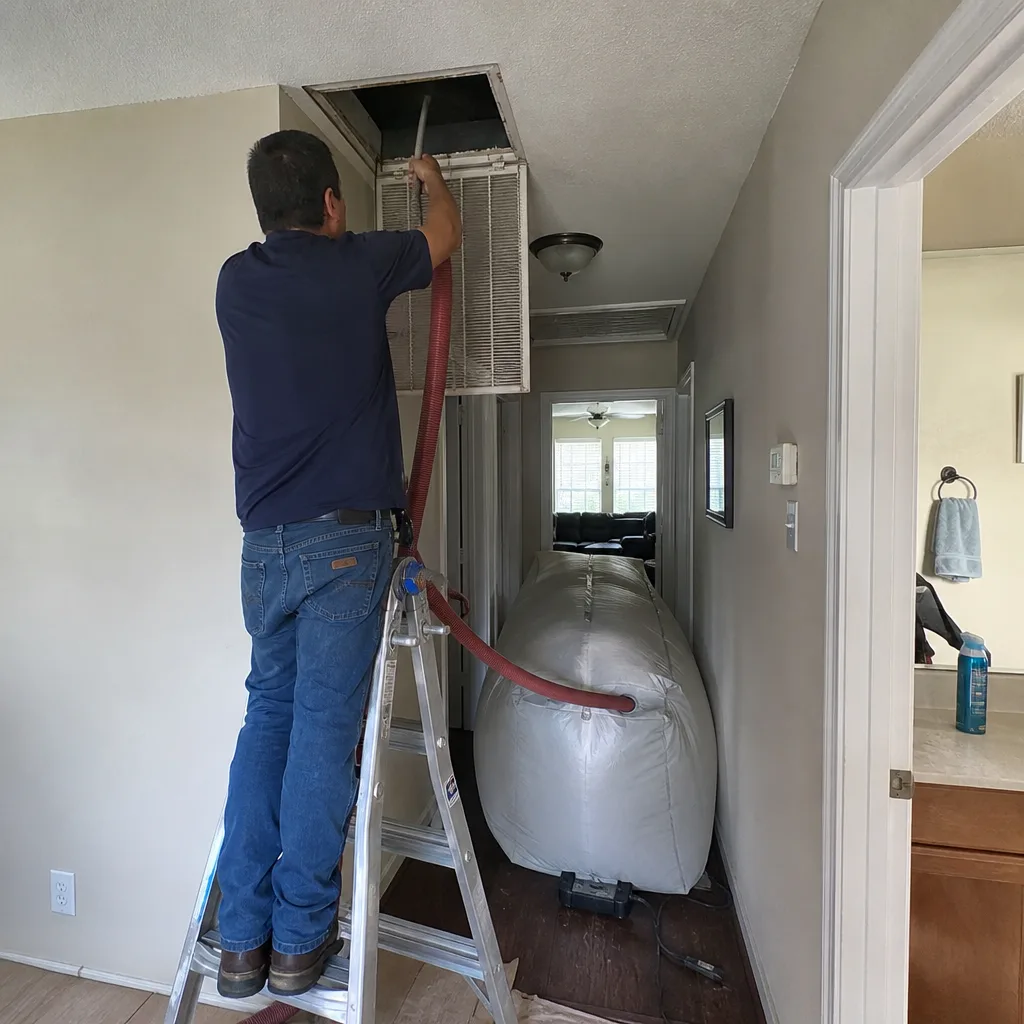
The price ranges above reflect real labor, real equipment, and real materials – not a coupon that breaks even on a bait-and-switch upsell. Here’s where the cost comes from on a typical Houston job.
Labor
Air quality and sanitizing work in Houston requires a trained technician operating professional-grade equipment. A typical 2,500 sq ft home with 14-16 supply runs and two returns takes 3-4 hours from inspection through application and documentation. At competitive Houston market labor rates, that time cost is the largest single component of what you pay.
Equipment
Negative-pressure extraction using a Nikro unit. Camera inspection equipment that produces the before-and-after photo record. Fogging or misting equipment for sanitizer application. HEPA air scrubbers when the scope includes post-flood or post-renovation treatment. These aren’t items a credible company amortizes into near-zero on a $79 coupon visit – they represent real capital that real work requires.
Materials
The EPA-registered sanitizing agents and antimicrobial products used on CleanRun jobs carry registration numbers that are visible on the product label. Guardsman antimicrobial products and Abatement Technologies chemistry are verifiable by the customer before application begins. The cost of these products is included in the written scope, not added at the door.
Documentation
Every job produces a documented photo record. That record takes time to compile and deliver, and it’s part of every CleanRun job regardless of scope. The customer receives it as a standard deliverable – not as an upsell, not as an optional add-on.
The $79 Coupon: What It Actually Buys in Houston
This section is worth reading before you book anyone for air quality work in Houston.
The $79 whole-house duct cleaning coupon has circulated in Houston for years. At that price point, the economics don’t support a Nikro collection unit, camera inspection, documented photo record, or EPA-registered sanitizing chemistry. What they support is a shop-vac-class tool inserted at the register, a blower run for a few minutes per duct, and a technician who finds reasons to add $400-$600 in services once they’re inside the house.
The Texas Attorney General’s consumer protection division has documented this pattern specifically in HVAC and duct cleaning services. The pattern isn’t universal – some companies price low and do honest work – but the physics are difficult to argue with. Proper negative-pressure extraction of a 2,500 sq ft Houston home with flex duct takes time that $79 won’t cover.
CleanRun’s written scope and pre-service camera inspection are structured precisely to make this comparison visible. A CleanRun technician shows you what’s inside the duct run before naming a price, so the scope of work is documented before any number is agreed to. That is the alternative to finding out what you bought after the truck leaves.
For a broader look at what professional duct work involves, the home page outlines every service category CleanRun operates in Houston.
FAQs – Air Quality & Sanitizing Cost in Houston
How much does duct sanitizing cost in Houston?
Duct sanitizing in Houston costs $150-$500 for most homes, depending on square footage, number of duct runs, and whether the work follows a full documented cleaning. A 2,000-2,500 sq ft home in a neighborhood like Meyerland or the Heights typically lands at $200-$350 for a fogging treatment applied after negative-pressure extraction. Larger homes in Katy or Kingwood with multiple air handlers run closer to $400-$500. Call (346) 251-8919 for a written estimate specific to your home – there’s no charge for the estimate and no price that changes when the technician arrives.
Is a UV-C germicidal light worth the cost in Houston specifically?
For Houston homes, the answer is yes more often than in drier climates. A UV-C unit installed at the air handler runs $280-$750 depending on the configuration, and it continuously irradiates the evaporator coil surface – the wet surface where microbial growth most commonly establishes in Houston’s humidity conditions. After two or three repeat fogging treatments at $200-$300 each, the UV-C installation typically costs less in total and prevents the recurrence rather than treating it after it happens. Honeywell and Aprilaire units are the brands CleanRun installs; both have published performance specifications customers can verify independently.
How often should Houston homes have air quality and sanitizing service?
Most Houston homes benefit from a documented duct cleaning with sanitizing treatment every 3-5 years under normal conditions. Homes with pets, occupants with respiratory sensitivities, recent water intrusion, or renovation work that generated drywall dust typically need attention every 2-3 years. Post-flood treatment with HEPA air scrubbing and antimicrobial application is a separate scope, not a scheduled maintenance item, and is priced accordingly starting at $250-$400 depending on the extent of intrusion. The pre-service camera inspection on every CleanRun job establishes whether conditions actually warrant service – technicians don’t recommend work the camera doesn’t support.
Can I get air quality service without a full duct cleaning?
Yes, but the effectiveness depends on what the camera inspection finds. Sanitizing applied to ducts with active debris load – the kind of particulate buildup that negative-pressure extraction is designed to remove – is less effective than sanitizing applied to a cleaned system. The product goes on top of the problem. If the inspection shows that the ducts are relatively clear and the issue is microbial rather than debris-based, a standalone sanitizing treatment at $150-$300 may be the appropriate scope. That determination is made from the camera record, not assumed. For full details on how the service is scoped and delivered, see Air Quality & Sanitizing in Houston.
What’s included in CleanRun’s air quality service – and what costs extra?
The written scope includes: pre-service camera inspection, documented before-and-after photo record of every duct run, the sanitizing treatment itself (fogging or misting with EPA-registered chemistry), and the written 365-Day Done Right Promise on the work performed. The written price delivered before work starts is also standard – under Haven Standard Clause 1, CleanRun does not begin work without a signed written scope. What costs extra is anything outside that scope: antimicrobial encapsulant coating of the plenum (typically $150-$250 added to base sanitizing), UV-C light installation (quoted separately as a product and labor line item), or HEPA air scrubbing if the scope includes post-flood treatment. Every add-on appears on the written scope before it’s agreed to. None of it appears on the invoice after the fact.
Does CleanRun serve neighborhoods outside central Houston?
CleanRun serves the broader Houston metro, including Katy, Sugar Land, Pearland, Kingwood, The Woodlands, Bellaire, Memorial, and surrounding communities. The written scope process and 365-Day Done Right Promise apply on every job regardless of zip code. Pricing reflects actual conditions at the home, documented by camera inspection, so travel to outer suburbs doesn’t change the process – it may affect scheduling windows, which a live phone call to (346) 251-8919 will clarify.
Key Takeaways
- Air quality and sanitizing in Houston costs $150-$900 depending on home size, treatment type, and scope. Most homes fall in the $250-$450 range for a full fogging treatment after duct cleaning.
- Houston’s humidity creates conditions for microbial growth at the evaporator coil and in flex duct runs that don’t exist at the same scale in drier markets. Pricing that accounts for this reflects a more complete scope, not an upsell.
- UV-C germicidal light installation ($280-$750 once) often costs less over three to five years than repeat fogging treatments for Houston homes with recurring microbial conditions.
- Every CleanRun job starts with a written price – no exceptions – and ends with a documented photo record of every duct run. The 365-Day Done Right Promise is in writing on every job, not subject to manager approval.
- A free second opinion on any written competitor estimate is available – call (346) 251-8919 and CleanRun will put their number next to it in writing.
- The $79 coupon model doesn’t cover the equipment or labor that effective duct sanitizing requires. The camera inspection on every CleanRun job documents what was actually found, before any price is agreed to.
Get a Written Estimate for Air Quality & Sanitizing in Houston
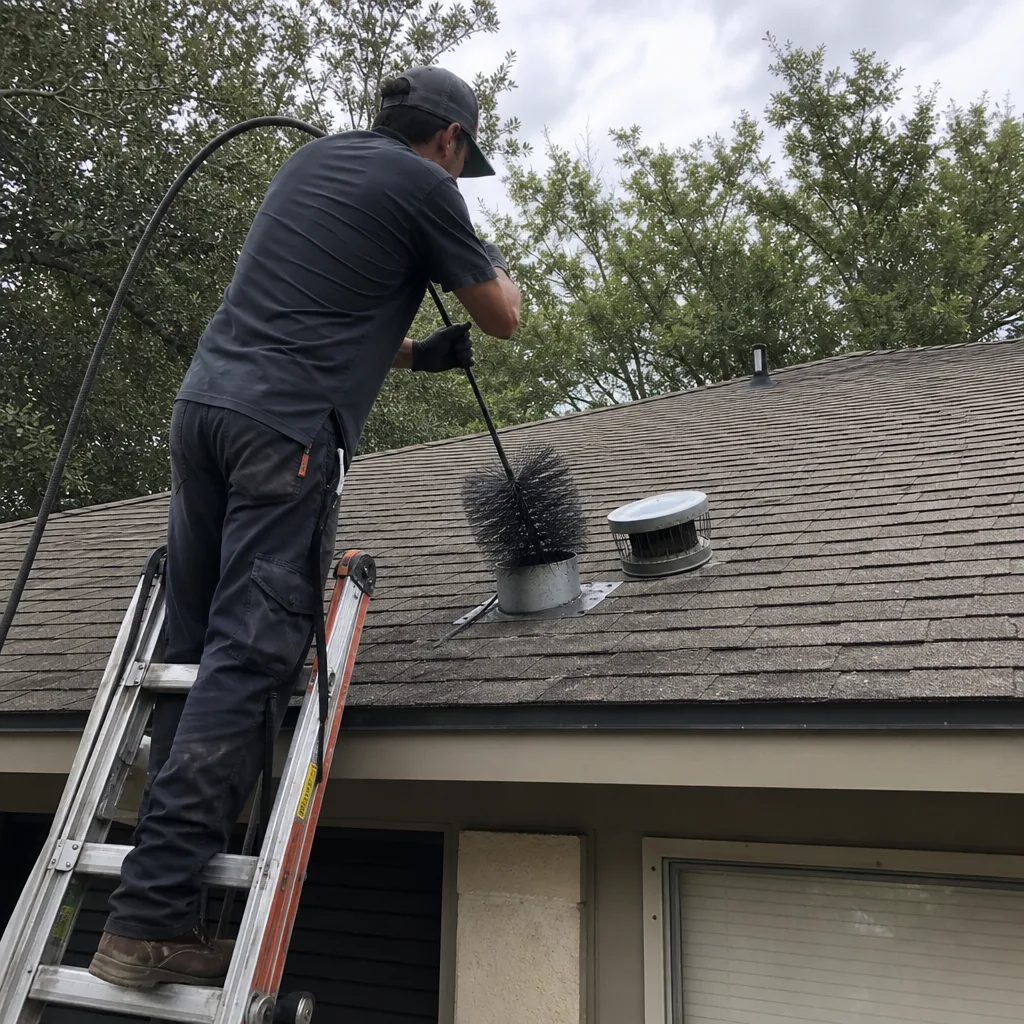
If you’re trying to decide whether your Houston home needs air quality service – and what it should cost – call (346) 251-8919. A live person answers every call, 24 hours a day. Tomas Reyes and the CleanRun team will schedule a camera inspection, show you what’s inside the duct system before any work begins, and deliver a written price before a single panel comes off. That’s Haven Standard Clause 1: the written price is the first deliverable, not the last. The estimate is free. The second opinion on a competitor’s written estimate is also free. The 365-Day Done Right Promise covers whatever work you agree to.
CleanRun has served Houston homeowners since 2013 – more than 52,000 homes, every one with a written scope and a documented photo record. The price on this page reflects the Houston market in 2026. Your home’s written price reflects what the camera actually finds.
Written by Tomas Reyes, Owner at CleanRun Air Duct Cleaning Houston, serving Houston, TX since 2013. Pricing reflects the Houston market as of 2026. CleanRun Air Duct Cleaning Houston offers free estimates – call (346) 251-8919.
What Our Customers Say
"They found a disconnected duct in the crawl space that had been dumping conditioned air under the house for years. Photographed it, quoted the repair, fixed it."
- Devon A."Thorough job on the ducts and the dryer vent. Left the house clean and the paperwork was clear."
- Rafael I."My allergies genuinely improved. They also told me the ducts did not need sealing, which I had been quoted for elsewhere."
- Petra K.